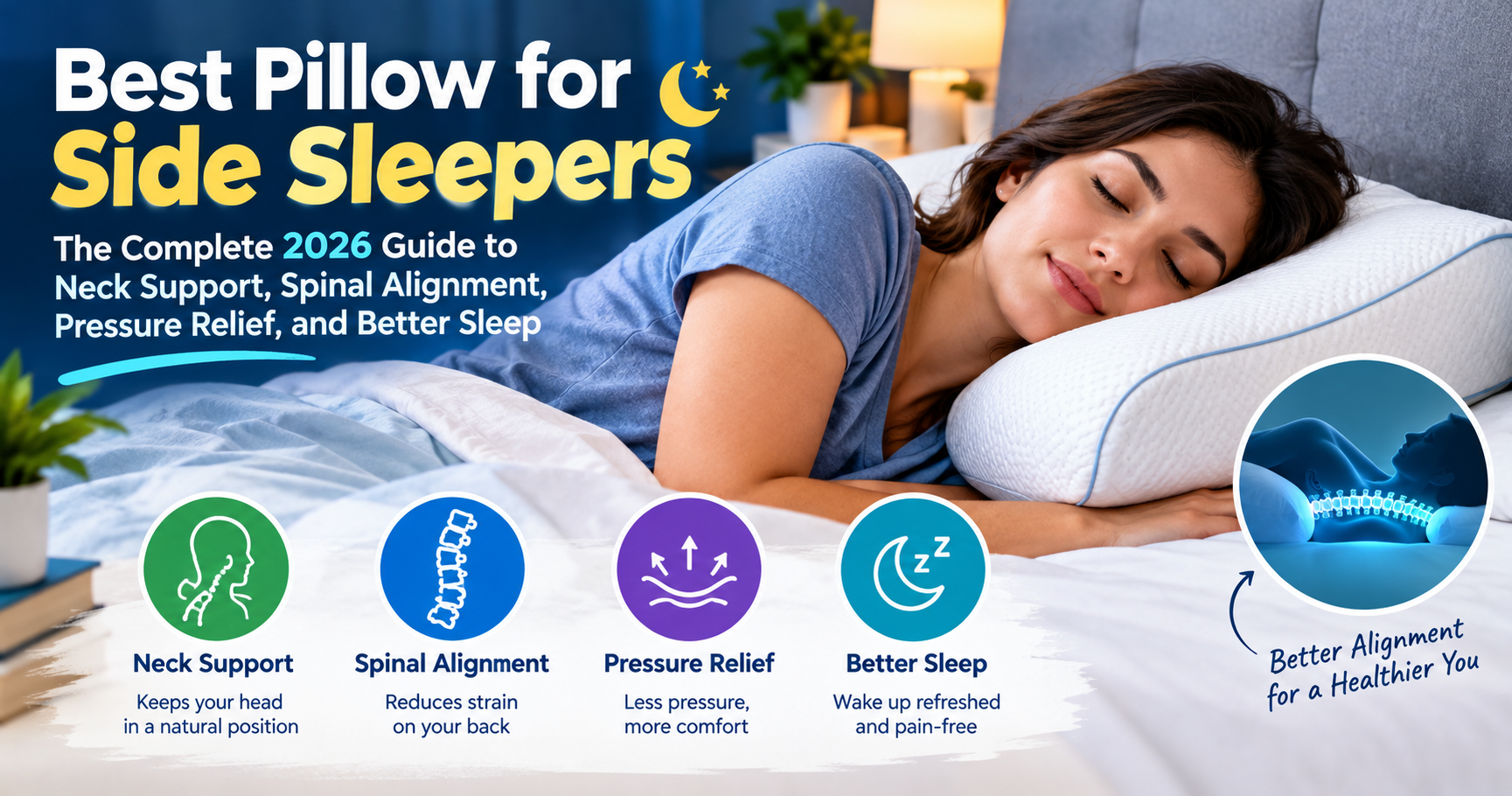


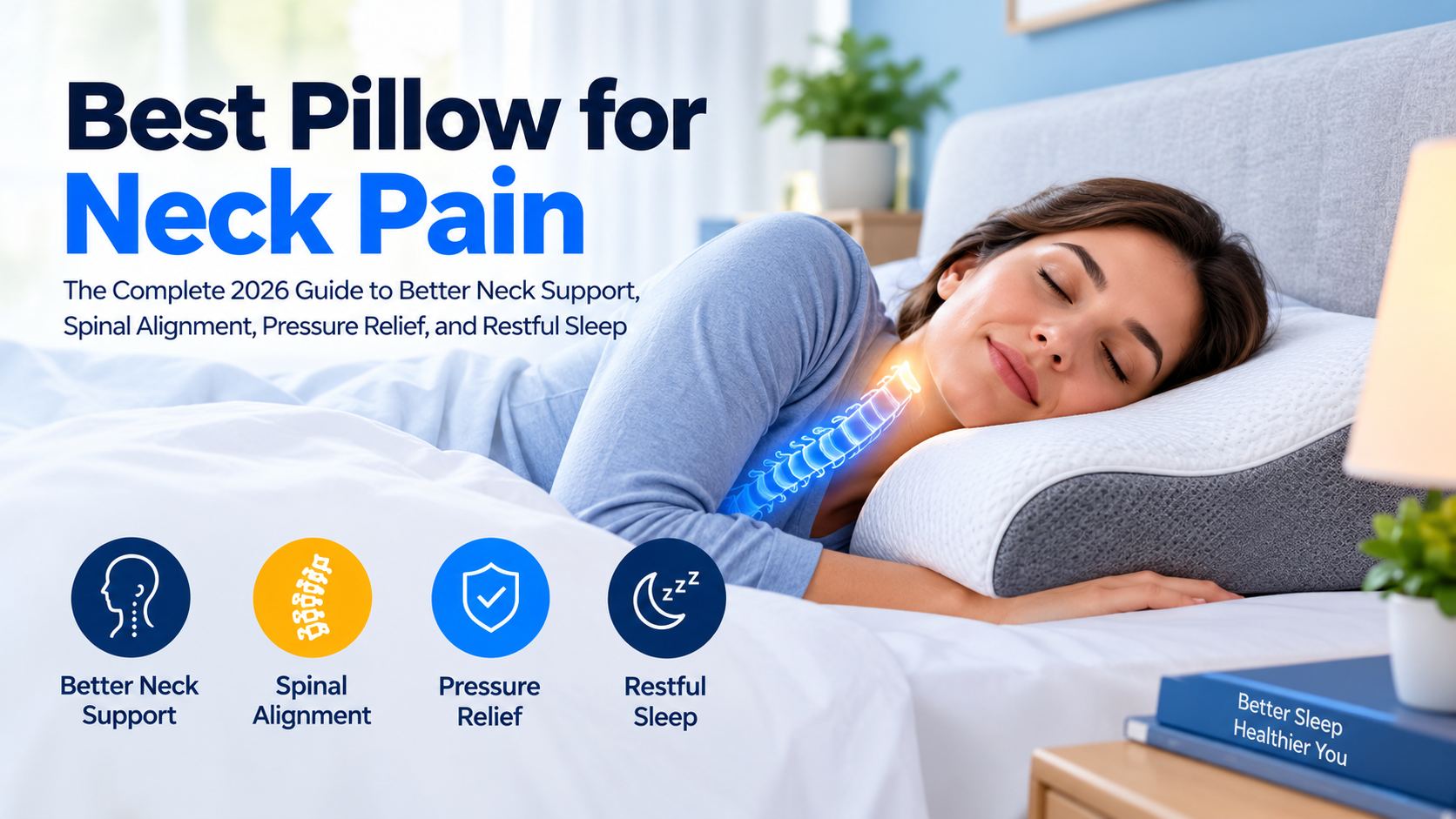
Choosing the right pillow can make a meaningful difference in how your neck feels when you wake up. A pillow that is too high, too flat, or too firm may leave your neck feeling stiff, while one that supports your natural alignment can help reduce unnecessary strain during sleep. However, finding the right option involves more than choosing a popular brand or an expensive memory foam design.
The best pillow for neck pain depends on your sleeping position, shoulder width, mattress firmness, preferred sleeping temperature, and the underlying cause of your discomfort. Someone who sleeps on their side generally needs a different pillow height from someone who sleeps on their back. Stomach sleepers face a separate challenge because their position can keep the neck rotated for extended periods.
This complete 2026 guide explains how to choose a supportive pillow, compare materials, avoid common mistakes, and build better sleep habits. Whether you experience occasional morning stiffness or recurring neck discomfort, understanding these factors can help you make a more informed decision.
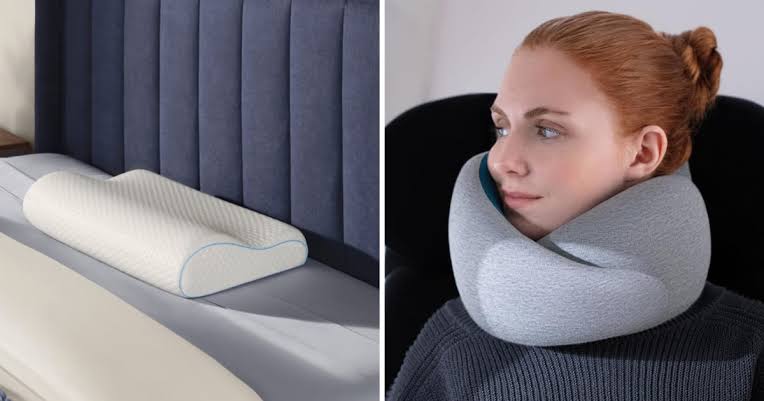
What Makes a Pillow Effective for Neck Pain?
An effective pillow supports the head and neck while helping maintain a comfortable, neutral spinal position. Instead of forcing the head upward or allowing it to drop backward, the pillow should fill the space between your head and the mattress without creating unnecessary pressure.
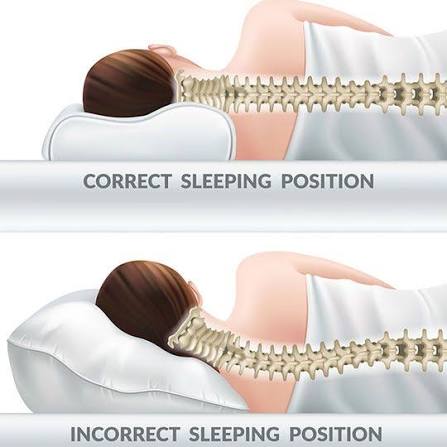
The cervical spine, which consists of seven vertebrae in the neck, has a natural curve. During sleep, appropriate pillow support helps preserve a comfortable position around this curve. Poor support may contribute to muscle tension, stiffness, and discomfort, particularly when combined with prolonged screen use, stress, or an unsuitable sleeping position.
The goal is not to keep your neck rigid. Natural movement remains important, and no pillow can guarantee that neck pain will disappear. Rather, the right design should allow your muscles to relax without placing your head at an uncomfortable angle.
Look for three essential characteristics:
- Appropriate loft: The pillow’s height matches your sleeping position and body proportions.
- Consistent support: The filling cushions your head without collapsing excessively overnight.
- Comfortable pressure distribution: The surface supports your head without creating concentrated pressure around your neck, ears, or shoulders.
A useful way to assess a pillow is to notice how your neck feels after several nights, rather than judging it during a brief test in a shop. Persistent discomfort may indicate that your pillow, mattress, sleep posture, or another underlying factor needs attention.
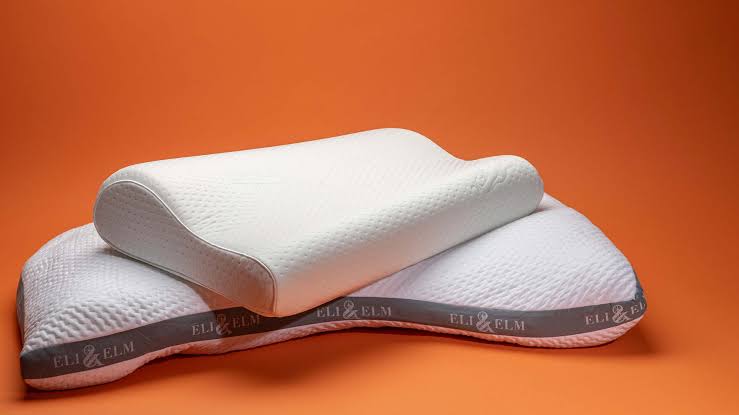
Best Pillow Types for Neck Pain
Different pillow materials offer different combinations of contouring, support, temperature regulation, and adjustability. There is no universally superior material, so compare how each design fits your needs.
Memory Foam Pillows
Memory foam responds to body heat and pressure, gradually adapting to the shape of your head and neck. Contoured models often include a raised cervical support area and a lower head cradle, although traditional flat designs are also available.
These pillows can suit people who prefer stable support and limited movement of the filling. However, some retain heat or feel too firm, particularly in warm bedrooms. Adjustable shredded-memory-foam pillows provide more flexibility than fixed-height models.
Latex Pillows
Latex pillows generally offer a responsive feel, recovering their shape quickly when you move. They can provide consistent support without the slow-sinking sensation associated with some memory foam products.
Natural latex options may appeal to sleepers who prefer a springier surface. However, latex pillows can be relatively heavy, and their firmness and height vary between manufacturers. Anyone with a latex allergy should check the product materials carefully.
Adjustable-Fill Pillows
Adjustable pillows allow you to remove or add filling to change the loft. Depending on the design, the filling may include shredded foam, polyester fibre, or another cushioning material.
This flexibility is particularly helpful when you are uncertain about the correct pillow height. Instead of replacing an unsuitable pillow immediately, you can make small adjustments and observe how your neck responds.
Traditional Fibre and Down Pillows
Polyester fibre, down, and feather pillows often provide a softer, more compressible feel. They may suit people who prefer a plush surface, but some designs flatten considerably under the weight of the head.
The main concern is maintaining adequate support throughout the night. A pillow that initially feels comfortable may become too flat after several hours, particularly for side sleepers who need more height to bridge the gap between their shoulder and head.
Comparing Pillow Materials and Features
The following table summarises common pillow designs and the situations in which they may be useful.
| Pillow type | Main benefit | Potential drawback | Often suitable for |
|---|---|---|---|
| Contoured memory foam | Shaped cervical support | Fixed contour may not fit everyone | Back sleepers and some side sleepers |
| Shredded memory foam | Adjustable filling and cushioning | May require frequent reshaping | Sleepers uncertain about loft |
| Latex | Responsive, resilient support | Can feel firm or heavy | People who dislike deep sinking |
| Down or feather | Soft, compressible feel | May flatten during sleep | People who prefer a plush surface |
| Polyester fibre | Usually affordable and lightweight | Support may deteriorate with compression | Budget-conscious shoppers |
| Adjustable hybrid | Customisable height and firmness | Quality varies by construction | Sleepers needing personalised adjustment |
These categories are broad guides, not guarantees of effectiveness. Two pillows made from the same material can feel very different because of their shape, density, construction, and dimensions.
When comparing products, examine the return policy, washing instructions, material certifications, and warranty alongside the price. A well-fitting pillow with a reasonable trial period may be a better purchase than a premium model that cannot be returned.
Choosing the Right Pillow for Your Sleeping Position
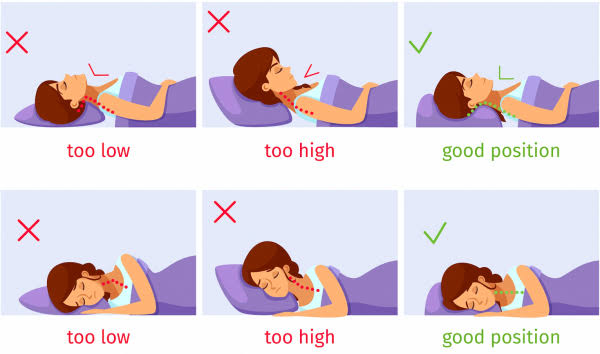
Your sleeping position is one of the most important factors in determining the correct pillow height. The aim is to prevent your head from tilting excessively upward, downward, or sideways.
Side Sleepers
Side sleepers usually need a medium-high or high-loft pillow, depending on shoulder width, head size, and mattress firmness. The pillow should fill the gap between the side of the head and the mattress while keeping the neck approximately aligned with the rest of the spine.
A broad-shouldered person sleeping on a firm mattress may need more loft than someone with narrower shoulders sleeping on a softer surface. If the pillow is too low, the head may dip toward the mattress. If it is too high, the head may tilt upward.
The best pillow for neck pain in this position should maintain its height under pressure without forcing the shoulder into an uncomfortable angle. Keeping the lower arm comfortably positioned and avoiding excessive shoulder compression can also improve comfort.
Back Sleepers
Back sleepers often benefit from a medium or medium-low pillow that supports the natural curve of the neck without pushing the chin toward the chest. A gently contoured pillow may provide useful support, but its shape should match your anatomy.
If your chin is pushed noticeably toward your chest, the pillow may be too high. If your head falls backward and your neck feels unsupported, it may be too low. A small adjustment can sometimes improve comfort more effectively than changing the entire pillow.
Some back sleepers also benefit from a small pillow beneath the knees, which may reduce lower-back tension and make the overall sleeping position more comfortable.
Stomach Sleepers
Stomach sleeping generally places more rotational stress on the neck because the head must turn to one side to allow breathing. A thick pillow can increase this awkward angle.
If changing positions is comfortable for you, gradually practising side or back sleeping may reduce prolonged neck rotation. If you continue sleeping on your stomach, a very thin, soft pillow—or no head pillow if comfortable and appropriate—may reduce excessive elevation. Avoid forcing a new position if it causes other discomfort.
How to Find the Correct Pillow Height and Firmness
Pillow loft refers to its height, while firmness describes how resistant it feels when compressed. These properties are related but not interchangeable. A tall pillow can be soft, and a relatively low pillow can feel firm.
To assess loft, lie in your usual sleeping position on your actual mattress. Relax your shoulders and allow your head to settle naturally. If possible, ask someone to check whether your head appears aligned with your upper back rather than tilted noticeably to either side.
Adjustable filling makes this process easier. Remove a small amount if your head sits too high, or add filling if your head sinks too far. Test each change over several nights, provided it does not increase discomfort.
Mattress firmness matters because your shoulder may sink deeply into a soft mattress but remain higher on a firm one. This changes the amount of space the pillow must fill. Consequently, a pillow that works well on one bed may feel unsuitable on another.
Do not assume that the firmest pillow provides the best support. Excessive firmness can create pressure, while excessive softness can allow the head to sink. The most useful choice balances cushioning with stable positioning.
Common Pillow Mistakes That Can Worsen Neck Discomfort
One common mistake is choosing a pillow based entirely on advertised claims. Terms such as orthopaedic, cervical, and ergonomic describe intended designs, but they do not establish that a product will relieve pain for every person. The fit matters more than the label.
Another mistake is changing several sleep variables simultaneously. If you replace your pillow, mattress topper, and sleeping position on the same night, it becomes difficult to identify what improved or worsened your symptoms. Make manageable changes and assess their effects.
An old pillow may also lose its shape. Signs of deterioration include permanent lumps, uneven filling, visible sagging, and a need to fold the pillow repeatedly to maintain height. Replacement timing depends on construction and use rather than a universal expiry date.
Finally, do not ignore daytime habits. Long periods looking down at a phone, working with a poorly positioned monitor, or holding the shoulders tensely may contribute to neck discomfort. A supportive pillow cannot fully compensate for these factors.
Additional Ways to Reduce Morning Neck Stiffness
Sleep positioning works best as part of a broader approach to neck comfort. Gentle movement during the day can help maintain mobility, while regular breaks from desk work reduce prolonged static postures. Adjust your monitor so that you can look forward comfortably instead of repeatedly bending your head downward.
Gentle neck movements and shoulder rolls may help relieve ordinary stiffness, but avoid aggressive stretching or movements that cause sharp pain, dizziness, tingling, or radiating symptoms. A physiotherapist can recommend appropriate exercises if your discomfort keeps returning.
Heat may help some people with muscular stiffness. A comfortably warm compress applied for a short period can promote relaxation, provided you avoid excessive temperatures and do not fall asleep with an unsafe heating device.
A consistent sleep schedule and a comfortable bedroom environment also matter. Even a well-designed pillow cannot compensate for inadequate sleep or a mattress that leaves you repeatedly twisting to find a comfortable position.
A practical rule is simple: support your neck during sleep, keep it moving comfortably during the day, and address persistent symptoms rather than relying on bedding alone.
When Neck Pain Requires Medical Attention
Most mild episodes of neck stiffness improve with time and appropriate self-care, but some symptoms need professional assessment. Seek urgent medical attention if neck pain follows a significant injury or occurs with new limb weakness, difficulty walking, severe headache with fever and marked neck stiffness, or other sudden neurological symptoms.
Arrange a medical appointment if pain persists, repeatedly interrupts sleep, worsens despite reasonable adjustments, or spreads into your shoulder or arm. Numbness, tingling, and weakness may indicate nerve involvement that requires assessment rather than a different pillow alone.
Other causes of neck pain include muscle strain, cervical disc problems, arthritis, and certain inflammatory conditions. A healthcare professional can evaluate your symptoms, medical history, and physical function to determine whether further investigation or treatment is appropriate.
The right pillow is a comfort and support tool, not a substitute for diagnosis. If changing pillows consistently makes your symptoms worse, stop using the problematic design and seek advice.
Frequently Asked Questions
What is the best pillow for neck pain?
The best pillow for neck pain is one that supports your head and neck in a comfortable, neutral position while accommodating your sleeping posture. Adjustable-fill pillows can be helpful because you can customise their height, while contoured memory foam and latex designs may suit people who prefer consistent support. Personal comfort, correct loft, and symptom response matter more than brand popularity.
Is memory foam or a regular pillow better for neck pain?
Memory foam often provides more consistent contouring than conventional fibre-filled pillows, but it is not automatically better for everyone. Traditional pillows can work well if they maintain the appropriate height and cushioning. Consider temperature, firmness, adjustability, and whether the pillow stays supportive throughout the night.
Should a pillow for neck pain be high or low?
The correct height depends on your sleeping position, shoulder width, mattress, and body proportions. Side sleepers commonly need more loft than back sleepers, while stomach sleepers usually benefit from a thinner pillow. The objective is to avoid excessive bending or tilting of the neck rather than choosing a particular height for everyone.
Can the wrong pillow cause morning neck pain?
Yes. A pillow that is too high, too low, or unable to maintain its shape may contribute to an uncomfortable sleeping posture and morning stiffness. However, neck pain can also result from daytime posture, muscle strain, injury, or medical conditions. Persistent symptoms should not automatically be attributed to your pillow.
How often should you replace your pillow?
There is no single replacement schedule that applies to every pillow. Replace it when the filling remains flattened, the structure becomes lumpy, or it no longer supports your head comfortably. Follow the manufacturer’s care instructions and consider the product’s condition rather than relying exclusively on its age.
Are cervical pillows worth buying?
Cervical pillows can be useful for people whose neck fits the pillow’s contours and height. Their raised edges or shaped support areas are intended to accommodate the neck’s natural curve. However, an unsuitable contour may feel uncomfortable, so check the dimensions, return policy, and suitability for your sleeping position before purchasing.
How long does it take to get used to a new pillow?
Some people adapt within a few nights, while others need longer to assess a new pillow. Make small adjustments where possible and monitor your comfort over several nights. Do not persist with a pillow that causes increasing pain, numbness, or other concerning symptoms.
Conclusion: Choose Support That Fits Your Body, Not Just the Label
Finding the best pillow for neck pain starts with understanding your sleeping position, the height your neck needs, and the level of cushioning that feels comfortable throughout the night. Memory foam, latex, adjustable-fill, and traditional fibre pillows all have potential benefits, but their effectiveness depends on individual fit rather than marketing claims.
Start by assessing your current pillow and mattress, then look for a design that maintains comfortable alignment without creating pressure. Consider your sleeping posture, check the pillow’s construction, and make gradual adjustments instead of replacing everything at once.
Most importantly, view pillow selection as one part of a broader approach to better sleep and neck health. Healthy daytime movement, sensible workstation positioning, and appropriate medical care when needed are equally important.
The final takeaway: The right pillow should make comfortable sleep easier, not force your body into a particular position. Prioritise fit, consistent support, and how your neck responds over time—and remember that persistent pain deserves attention beyond the bedroom.