What Are Leg Cramps?
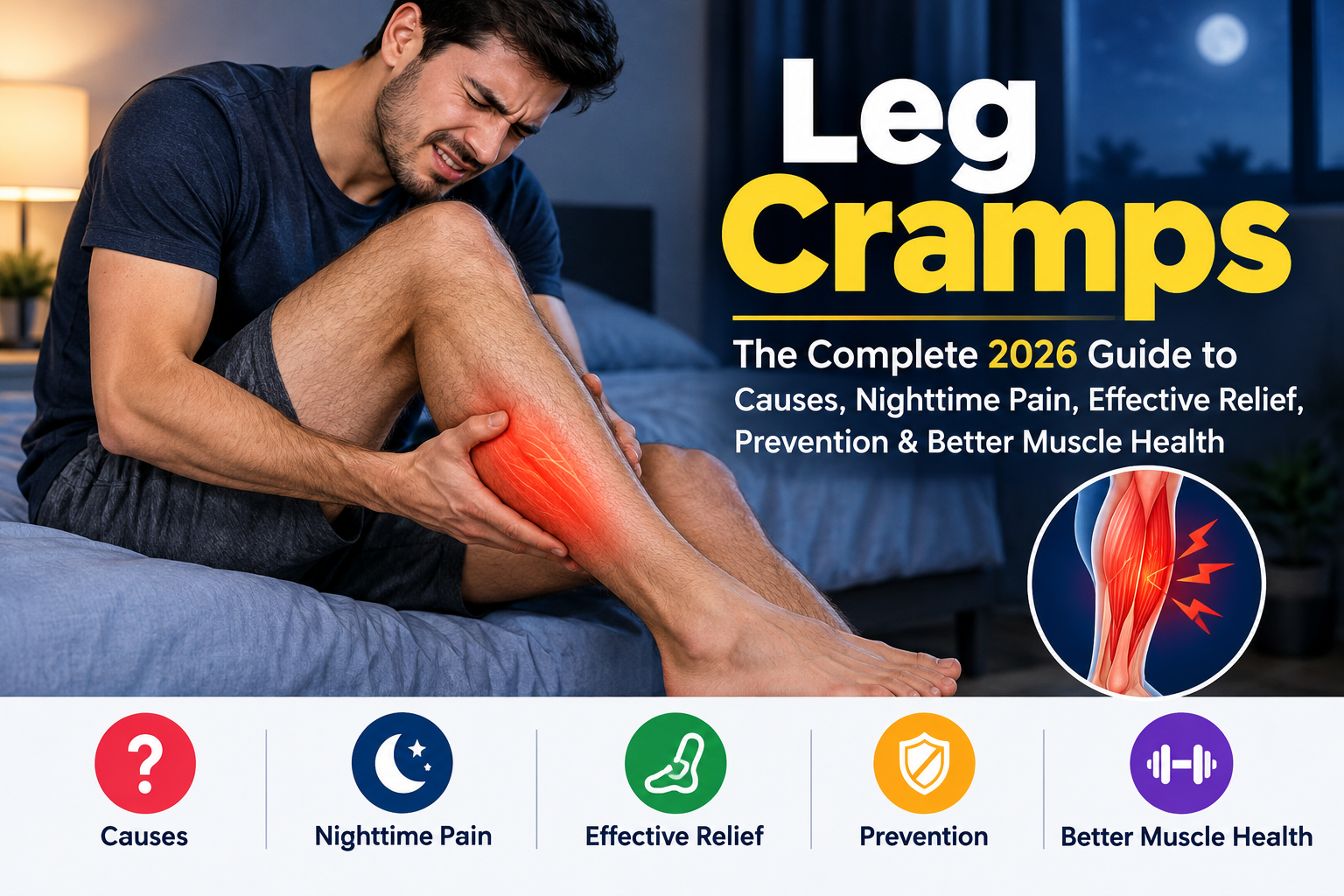
Leg cramps are sudden, involuntary muscle contractions that cause tightness and pain, usually in the calves, feet, or thighs. The affected muscle may feel hard or knotted, and the discomfort can range from mild twitching to intense pain that interrupts sleep or physical activity. Most episodes last a few seconds to several minutes, although tenderness may remain afterward.
These spasms can occur at any age but become more common in older adults, pregnant people, and individuals who perform strenuous physical activity. They may happen while walking, exercising, resting, or sleeping. In many cases, the cause is unclear, and the symptoms improve with gentle stretching and time.
Understanding the difference between an occasional muscle spasm and recurring symptoms is important. Dehydration, muscle fatigue, certain medications, pregnancy, and underlying medical conditions can contribute. Identifying the likely trigger helps guide appropriate relief and prevention.
Common Causes of Leg Cramps
Muscle fatigue is a frequent trigger, especially after unfamiliar exercise, prolonged standing, or an intense workout. Repeated contractions can place substantial demands on the muscles, while exercising beyond your usual capacity may increase the likelihood of spasms. For example, someone who suddenly increases their running distance may experience calf tightness later that evening.
Fluid loss and electrolyte disturbances can also contribute, particularly after heavy sweating, vomiting, or diarrhea. Electrolytes such as sodium, potassium, calcium, and magnesium help regulate muscle and nerve function. However, not every cramp indicates an electrolyte deficiency, and taking supplements without evidence of a deficiency may not help.
Other possible contributors include pregnancy, aging, nerve compression, kidney disease, diabetes-related nerve damage, and circulation disorders. Some medications, including certain diuretics and cholesterol-lowering drugs, may be associated with muscle symptoms. Do not stop prescribed medication on your own; discuss recurring symptoms with a healthcare professional.
Why Do Leg Cramps Happen at Night?
Nighttime cramps often affect the calf or foot while a person is asleep or resting in bed. They can cause sudden pain that wakes someone up and makes it difficult to return to sleep. Although the exact mechanism is not always known, muscle fatigue, altered nerve activity, and prolonged positioning may play a role.
Sleeping with the toes pointed downward can shorten the calf muscles, potentially making a sudden contraction more likely in susceptible individuals. Daytime activity, prolonged sitting, and age-related changes may also contribute. Nighttime spasms are not necessarily a sign of dehydration or a mineral deficiency.
When a cramp strikes during sleep, sit up if needed, straighten the affected leg, and gently pull the toes toward the shin. Standing carefully and placing the heel on the floor may help stretch the calf. If nighttime episodes occur frequently, disrupt sleep, or are accompanied by other symptoms, seek medical advice to investigate possible causes.
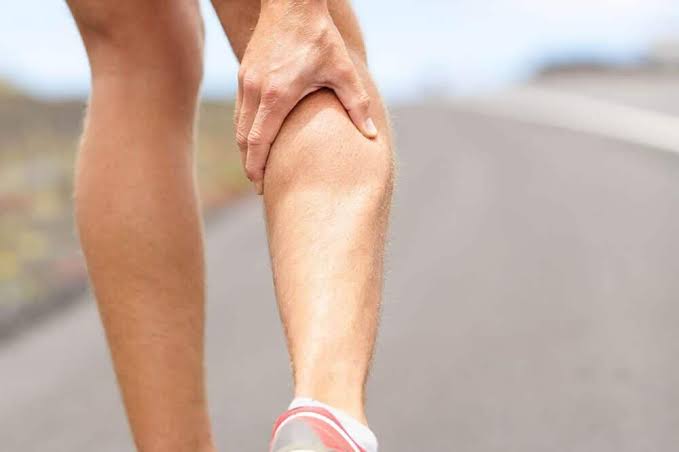
How to Relieve a Muscle Cramp Quickly
The most useful immediate response is to stop the activity and gently lengthen the affected muscle. For a calf spasm, straighten the knee and pull the toes toward the shin without bouncing. For a thigh cramp, the appropriate stretch depends on whether the front or back of the thigh is affected, so move slowly and avoid forcing the joint.
Gentle massage and a warm towel or heating pad may help the muscle relax. If soreness remains after the contraction stops, a wrapped cold pack may provide comfort. Drink water if you are thirsty or have lost fluids through sweating, but remember that drinking large quantities of water will not resolve every type of cramp.
A useful principle is: “Relax the muscle first, then look for the trigger.” Trying to walk or exercise through intense pain can worsen discomfort or increase the risk of falling. Once the spasm settles, resume activity gradually and stop if the pain returns.
Home Remedies and Prevention Strategies
Regular stretching may help people who experience recurring nighttime calf spasms. Before bed, try a gentle calf stretch by standing facing a wall, placing one foot behind the other, and keeping the back heel on the floor while leaning forward. Hold the stretch comfortably, then repeat with the other leg. Avoid stretching to the point of pain.
Hydration should match your activity level, climate, and fluid losses. People exercising in hot weather may need to replace both fluids and electrolytes, particularly during prolonged sweating. Ordinary meals containing fruits, vegetables, dairy products or suitable alternatives, legumes, nuts, and whole grains can provide important minerals without relying on supplements.
Other helpful habits include increasing exercise gradually, taking movement breaks during prolonged sitting, wearing comfortable footwear, and maintaining a consistent sleep routine. If a particular activity repeatedly triggers spasms, reduce its intensity temporarily and rebuild your workload progressively rather than pushing through repeated episodes.
Foods, Electrolytes, and Supplements
Potassium, magnesium, calcium, and sodium support normal muscle and nerve function. Potassium-rich foods include bananas, potatoes, beans, and leafy vegetables. Magnesium is found in nuts, seeds, whole grains, and legumes, while dairy products and fortified alternatives can supply calcium. Sodium is lost through sweat, although most people obtain enough through their regular diet.
Eating these foods supports general health, but there is limited evidence that adding extra minerals prevents ordinary muscle cramps in everyone. Magnesium supplements, for example, have not consistently demonstrated meaningful benefits for routine cramps in nonpregnant adults. Supplementation may be appropriate for a confirmed deficiency or a specific medical indication, but it should not be treated as a universal remedy.
Excessive supplementation can cause problems. High doses of magnesium may cause diarrhea and can be dangerous with impaired kidney function, while excess potassium may lead to serious heart rhythm disturbances in susceptible people. Consult a healthcare professional before using mineral supplements if you have kidney or heart disease or take medicines that affect electrolyte levels.
Leg Cramps During Exercise and Pregnancy
Exercise-related cramps may develop during prolonged activity, particularly when muscles become fatigued or the workload exceeds what the body is accustomed to. Athletes can reduce risk by building endurance gradually, practicing sport-specific conditioning, taking appropriate breaks, and adapting fluid replacement to their needs. Stretching an actively cramping muscle may provide immediate relief, but it does not guarantee that another episode will not occur.
Pregnancy can also increase the likelihood of nighttime muscle spasms, particularly in the later months. Gentle calf stretches, comfortable movement, and adequate fluid intake may help. Pregnant people should speak with their maternity care provider before starting supplements or using medication for recurring cramps, as the cause and appropriate treatment can vary.
Not every painful leg symptom during pregnancy is a simple muscle cramp. One-sided swelling, warmth, redness, or persistent calf pain can indicate a blood clot and requires urgent medical assessment. Sudden shortness of breath or chest pain alongside leg symptoms is an emergency.
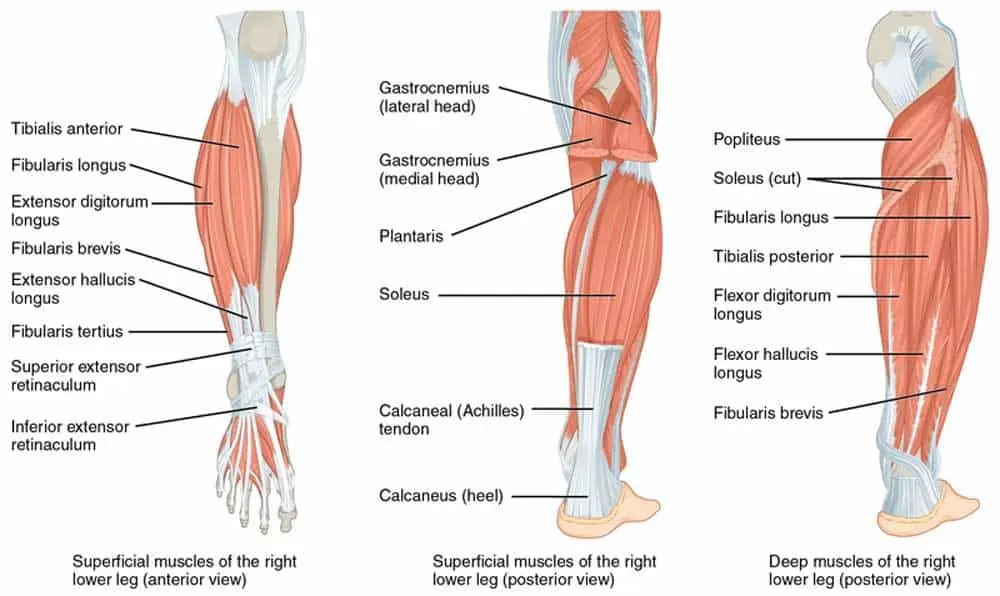
When Leg Cramps May Signal a Medical Problem
Occasional cramps that resolve with stretching are usually not serious. However, frequent episodes, severe pain, persistent weakness, muscle wasting, or symptoms that interfere with walking or sleep deserve medical evaluation. A clinician may review your medications, activity patterns, hydration, medical history, and the location and timing of the spasms.
The pattern of symptoms can provide important clues. Cramping during walking that repeatedly disappears after rest may suggest peripheral artery disease, particularly when accompanied by reduced circulation in the feet. Burning, tingling, or numbness may point toward nerve involvement rather than an ordinary muscle spasm. Blood tests may be considered when the history suggests electrolyte abnormalities, kidney problems, thyroid disorders, or other underlying conditions.
Seek urgent care for severe or persistent muscle pain with marked swelling, unusual weakness, or dark urine, particularly after intense exercise, because these can be signs of rhabdomyolysis, a potentially serious breakdown of muscle tissue. A swollen, warm, painful leg also requires prompt assessment for a possible blood clot.
Common Causes, Clues, and Appropriate Responses
| Possible cause | Typical clues | Helpful next step |
|---|---|---|
| Muscle fatigue | After exercise or prolonged activity | Rest, gentle stretching, gradual training |
| Fluid loss | Heavy sweating, vomiting, or diarrhea | Replace fluids and seek care if severe |
| Nighttime spasms | Calf or foot pain during sleep | Gentle stretching before bed |
| Medication effects | Symptoms begin after a medication change | Discuss with the prescriber |
| Nerve problems | Tingling, numbness, or weakness | Arrange medical evaluation |
| Circulation problems | Pain during walking that eases with rest | Seek clinical assessment |
| Possible blood clot | One-sided swelling, warmth, and persistent pain | Obtain urgent medical assessment |
These patterns are clues, not definitive diagnoses. Several conditions can cause similar symptoms, and a healthcare professional can determine whether testing or treatment is necessary.
Frequently Asked Questions
What is the fastest way to stop leg cramps?
Stop the activity, straighten the affected limb when possible, and gently stretch the contracting muscle. For a calf cramp, pull the toes toward the shin. Gentle massage or warmth may also help. Avoid forceful stretching, and seek medical advice if the pain does not resolve or occurs alongside concerning symptoms.
Why do I keep getting leg cramps at night?
Nighttime episodes may be associated with muscle fatigue, sleeping position, aging, pregnancy, or certain medications. In many cases, no single cause is identified. Gentle calf stretching before bed may help some people, but frequent or worsening episodes should be discussed with a healthcare professional.
Do bananas prevent muscle cramps?
Bananas provide potassium, which supports normal muscle function, but eating bananas does not reliably prevent every cramp. Most people benefit from a balanced diet rather than targeting one food. Recurrent symptoms may have causes unrelated to potassium intake.
Are leg cramps a sign of magnesium deficiency?
They can occur with magnesium deficiency, but ordinary muscle spasms do not automatically indicate low magnesium. Evidence does not consistently support magnesium supplements for routine cramps in otherwise healthy adults. A clinician can assess whether a deficiency is plausible and whether supplementation is appropriate.
Can dehydration cause muscle cramps?
Fluid loss may contribute to cramps, especially during prolonged exercise or hot weather. However, many cramps occur without dehydration. Replace fluids appropriately, consider electrolyte replacement during prolonged heavy sweating, and avoid assuming that excessive water intake alone will resolve recurring symptoms.
When should I worry about leg cramps?
Seek medical advice if episodes are frequent, severe, persistent, or accompanied by weakness, numbness, or swelling. Sudden one-sided leg swelling and warmth need urgent evaluation for a possible blood clot. Severe muscle pain with dark urine after strenuous exercise also requires urgent medical attention.
Conclusion
Leg cramps can disrupt sleep, interfere with exercise, and make everyday movement uncomfortable. Many occasional episodes improve with gentle stretching, appropriate hydration, gradual conditioning, and simple changes to daily habits. Recurring symptoms, however, deserve closer attention because medications, nerve disorders, circulation problems, and other medical conditions may be involved.
The best approach is to relieve the immediate spasm while identifying patterns that may explain why it keeps happening. Consistent muscle care can help, but persistent or unusual symptoms should never be dismissed as ordinary cramping. Recognizing when home treatment is appropriate—and when professional assessment is needed—is the most important step toward healthier, more comfortable movement.