Heart attacks can happen suddenly, but warning signs sometimes develop gradually over several hours or days. Recognising these changes is important because prompt medical treatment can limit damage to the heart muscle and improve the chances of survival.
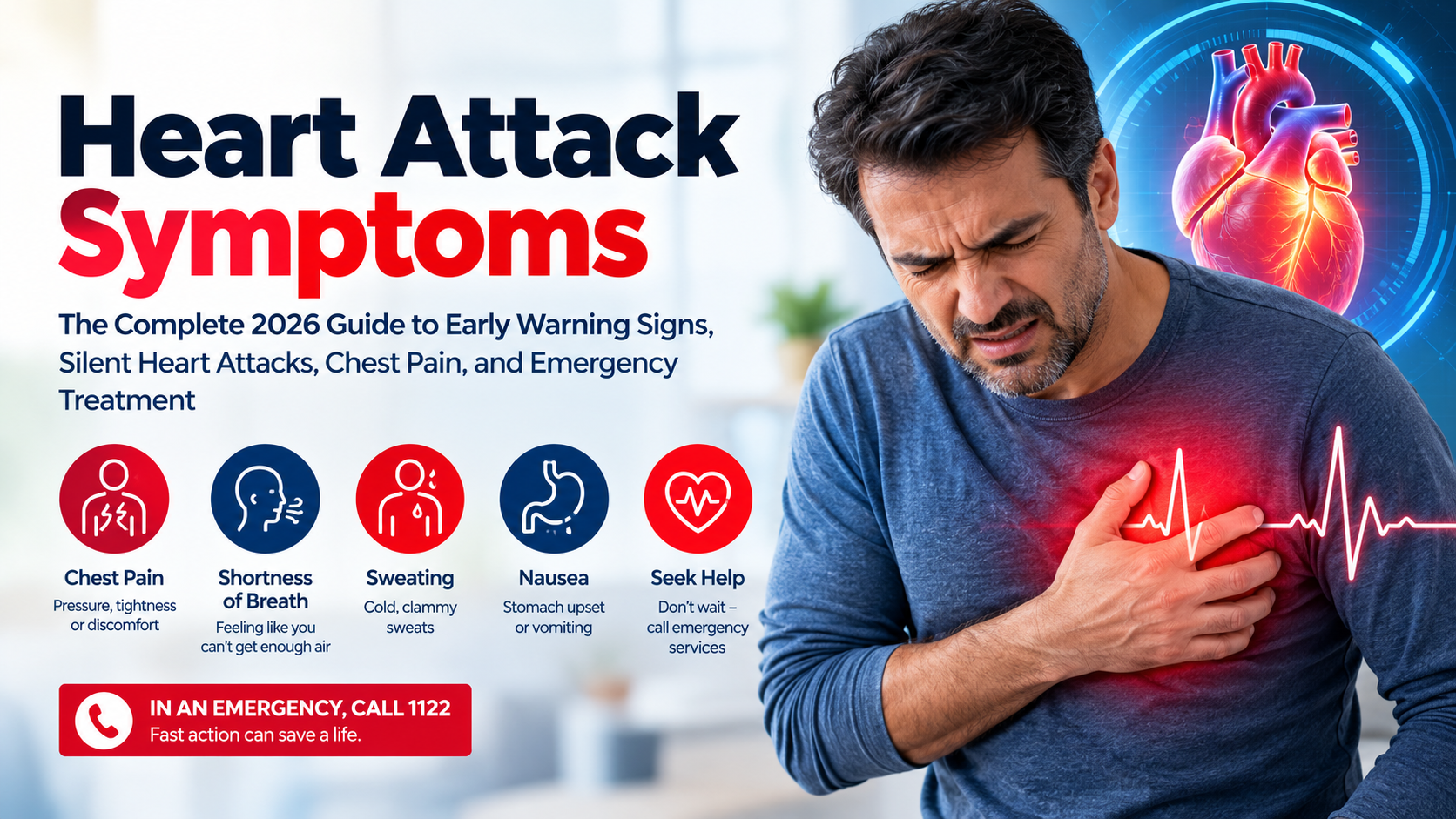
Although many people associate a heart attack with crushing chest pain, the symptoms can be less obvious. Some people experience shortness of breath, unusual sweating, nausea, fatigue, or discomfort in the jaw, back, shoulders, or arms. Others experience mild symptoms that they mistake for indigestion, anxiety, or exhaustion.
Understanding the different ways a heart attack can present helps people respond more quickly and confidently. This guide explains common and less familiar warning signs, how symptoms may differ between individuals, what to do during a suspected emergency, and how to reduce future cardiovascular risk.
What Are Heart Attack Symptoms?
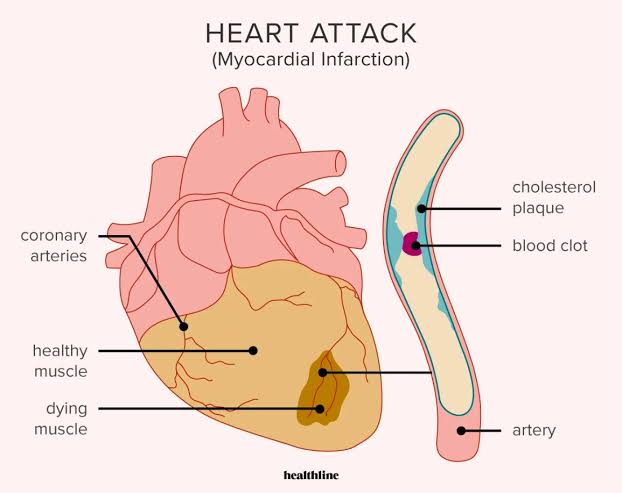
Heart attack symptoms are physical warning signs that the heart muscle may not be receiving enough oxygen-rich blood. Most heart attacks occur when blood flow through a coronary artery becomes severely restricted, often because atherosclerotic plaque ruptures and a blood clot forms.
The resulting lack of oxygen can injure or destroy heart muscle cells. Medical professionals call a heart attack a myocardial infarction. Rapid treatment can restore blood flow and reduce the extent of permanent damage.
The most recognisable warning sign is chest discomfort, often described as pressure, squeezing, fullness, heaviness, or tightness. However, symptoms vary considerably. A person may feel uncomfortable rather than experience severe pain, and some people develop symptoms without obvious chest discomfort.
Common warning signs include:
- Chest pressure, tightness, or discomfort that lasts several minutes or repeatedly returns.
- Pain or discomfort spreading to one or both arms, the shoulders, back, neck, or jaw.
- Shortness of breath, with or without chest discomfort.
- Cold sweating, nausea, vomiting, or lightheadedness.
- Unusual weakness, fatigue, or a sudden feeling of being unwell.
Not everyone experiences all these signs. A suspected heart attack should be treated as an emergency even when symptoms are mild, unfamiliar, or intermittent.
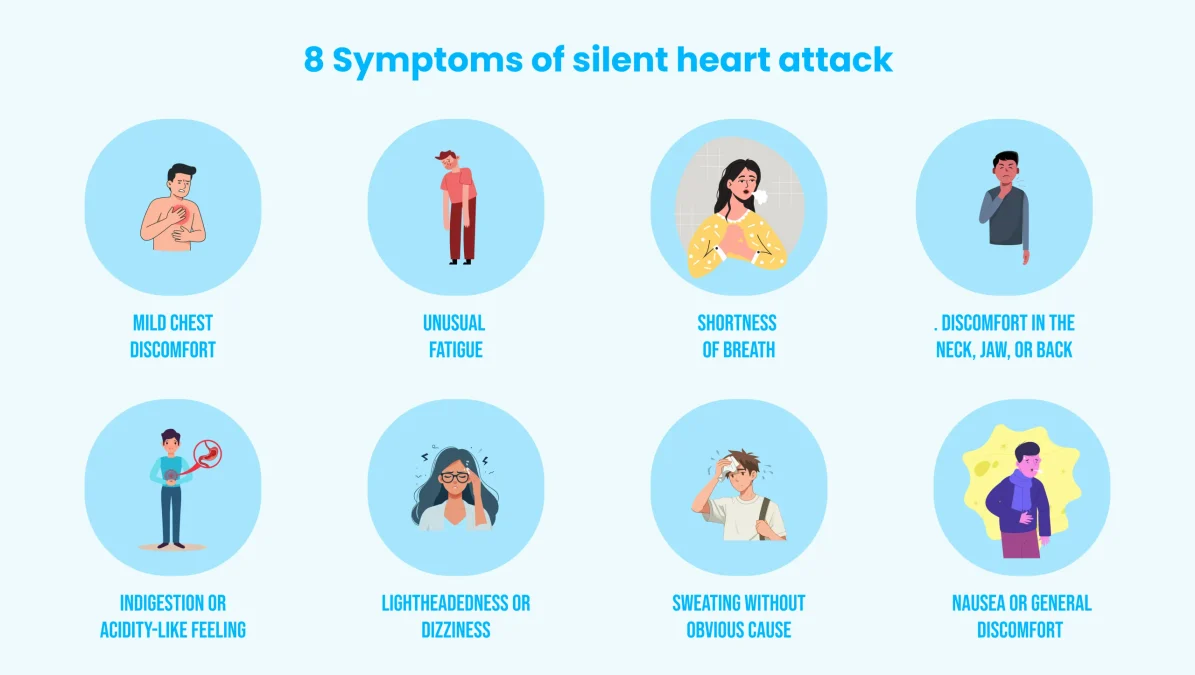
Common and Less Obvious Warning Signs
Chest discomfort is often the most recognisable sign, but the sensation can vary. Some people describe a heavy weight pressing on their chest, while others experience tightness, burning, or an uncomfortable fullness. The sensation may last more than a few minutes, disappear temporarily, and then return. It can occur during physical activity, emotional stress, or rest.
Other warning signs may be easier to overlook, particularly when they develop together. For example, a person might experience unusual sweating, nausea, breathlessness, and discomfort in the upper back without recognising a cardiac emergency. The combination is especially concerning when symptoms are new, unexplained, or different from anything experienced before.
| Warning sign | What it may feel like | Why it matters |
|---|---|---|
| Chest discomfort | Pressure, squeezing, heaviness, or burning | A common sign of reduced blood flow to the heart |
| Arm, jaw, or back discomfort | Aching, pressure, or pain beyond the chest | Cardiac discomfort can spread to other areas |
| Shortness of breath | Difficulty breathing or feeling unable to get enough air | May occur with or without chest pain |
| Cold sweat | Sudden, clammy sweating without an obvious reason | Can accompany a serious cardiac event |
| Nausea or vomiting | Stomach upset, queasiness, or vomiting | May be mistaken for a digestive problem |
| Dizziness or weakness | Feeling faint, unusually weak, or lightheaded | Can occur when the heart is affected |
No single symptom confirms a heart attack, and the absence of one particular warning sign does not rule it out. If several signs appear together, or even one concerning sign develops suddenly, seek emergency assessment rather than trying to diagnose the problem at home.
Heart Attack Symptoms in Women and Men
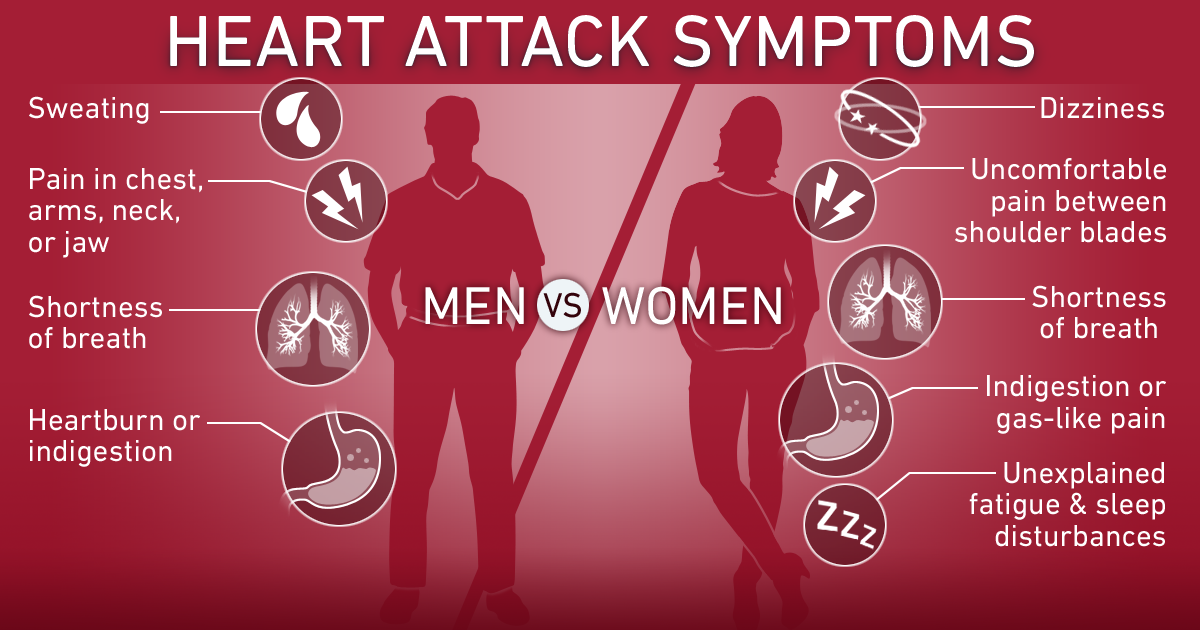
Heart attacks can affect people of every sex, and chest discomfort remains a common symptom in both women and men. However, women may also experience prominent shortness of breath, nausea, unusual tiredness, weakness, or discomfort in the back, shoulder, or jaw. These symptoms can occur with chest discomfort or sometimes without obvious chest pain. American Heart Association+1
One important problem is that people may dismiss these signs as stress, indigestion, or the effects of a busy day. Imagine someone who feels unusually exhausted while completing ordinary household tasks and develops nausea and breathlessness. Even without severe chest pain, this combination warrants urgent assessment if it is new or unexplained.
Men more commonly report the classic pattern of chest pressure with discomfort spreading into an arm, although there is considerable overlap between individuals. Neither sex follows a predictable pattern, and age, existing medical conditions, and the severity of the event can influence how symptoms appear.
The safest approach is to avoid relying on stereotypes. Heart attack symptoms in women and men can differ, but everyone should receive prompt emergency care when a heart attack is suspected.
Silent Heart Attacks and Early Warning Signs
A silent heart attack occurs when heart muscle damage develops without the dramatic or recognisable symptoms many people expect. Symptoms may be mild, unusual, or overlooked entirely. Some people only discover that they have experienced one when an electrocardiogram (ECG) or other medical testing later reveals evidence of previous heart damage.
People with diabetes, particularly those with nerve damage, and older adults may be more likely to experience less typical symptoms. Unexplained fatigue, mild breathlessness, or discomfort resembling indigestion should not automatically be attributed to ageing, poor sleep, or digestive problems when the symptoms are new or persistent.
Some heart attacks also begin gradually. A person may notice reduced exercise tolerance, intermittent chest pressure, or unusual tiredness before the condition becomes more obvious. These changes are not proof that a heart attack is occurring, but they deserve medical attention, especially when accompanied by other warning signs.
There is no reliable home test for excluding a silent heart attack. If you suspect an acute cardiac event, call emergency services. If you have unexplained symptoms that have passed but remain concerning, arrange prompt medical assessment rather than assuming the danger has disappeared.
Heart Attack Symptoms vs. Indigestion, Anxiety, and Angina
Several conditions can cause chest discomfort, making it difficult to identify a heart attack based on sensations alone. Acid reflux may cause burning behind the breastbone, while anxiety can produce chest tightness, a racing heartbeat, sweating, and rapid breathing. Muscle strain may cause pain that changes with movement or pressure.
However, these differences are not reliable enough to rule out a cardiac emergency. A heart attack can feel like heartburn or indigestion, and a person can experience anxiety during a genuine cardiac event. New chest discomfort accompanied by sweating, nausea, breathlessness, or pain spreading to the upper body requires urgent evaluation. NHS+1
Angina is chest discomfort caused by reduced blood flow to the heart. Stable angina often occurs during exertion and improves with rest or prescribed medication. A heart attack generally involves more serious or prolonged interruption of blood flow, but the symptoms can overlap substantially.
A useful principle is that you do not need to be certain a heart attack is happening before seeking emergency help. Medical professionals use an ECG, blood tests for cardiac troponin, and the clinical picture to distinguish a heart attack from other conditions.
What to Do If You Suspect a Heart Attack
The most important response to suspected heart attack symptoms is to activate emergency medical services immediately. Do not wait for pain to become severe, take a nap to see whether it improves, or spend time searching online for reassurance. Early treatment can restore blood flow and reduce damage to the heart muscle.
Follow these steps while help is on the way:
- Call emergency services. In Pakistan, call Rescue 1122 where available. Tell the dispatcher about the symptoms and follow their instructions.
- Stop physical activity. Sit in a comfortable, supported position and remain as calm as possible.
- Do not drive yourself. An ambulance team can begin assessment and treatment during transport.
- Follow medication advice carefully. If aspirin is being considered, follow the emergency dispatcher’s or a healthcare professional’s instructions. Aspirin is not suitable for everyone, including people with certain allergies or medical risks.
- Stay with the affected person. Monitor their responsiveness and breathing while waiting for help.
If the person becomes unresponsive and is not breathing normally, call emergency services if this has not already been done, begin CPR according to the dispatcher’s instructions, and use an automated external defibrillator (AED) if one is available. Immediate action can be lifesaving.
How Doctors Diagnose and Treat a Heart Attack
Doctors assess symptoms, medical history, vital signs, and risk factors before performing tests to determine whether a heart attack is occurring. An ECG records the heart’s electrical activity and can reveal changes associated with certain types of heart attacks. Blood tests measure cardiac troponin, a protein released when heart muscle cells are damaged.
An initial ECG or blood test may not identify every heart attack, particularly when testing occurs early. Depending on the situation, clinicians may repeat tests and use additional investigations. Coronary angiography can identify narrowed or blocked arteries and help guide treatment.
Treatment focuses on restoring blood flow as quickly as possible. Percutaneous coronary intervention, commonly called coronary angioplasty, involves guiding a catheter into a coronary artery to open the blockage, often with a stent to help keep the artery open. When timely angioplasty is unavailable or unsuitable, clot-dissolving medication may be considered for eligible patients.
Additional treatment may include antiplatelet medicines, cholesterol-lowering statins, and other medications based on the individual’s condition. After the emergency, cardiac rehabilitation can support recovery through supervised physical activity, education, and risk-factor management. The precise treatment plan depends on the type of heart attack and the patient’s overall health.
Risk Factors and Ways to Protect Your Heart
Understanding risk factors can help reduce the likelihood of future cardiovascular problems. Some factors, including age, family history, and certain inherited conditions, cannot be changed. Others can be managed through medical care and everyday habits.
Major risk factors include high blood pressure, elevated LDL cholesterol, diabetes, smoking, physical inactivity, and overweight or obesity. Chronic kidney disease and a family history of premature cardiovascular disease can also increase risk. Several factors occurring together may increase the overall likelihood of a heart attack.
Practical prevention measures include:
- Avoid smoking and exposure to tobacco smoke.
- Eat a balanced diet rich in vegetables, fruit, whole grains, legumes, and other fibre-rich foods.
- Engage in regular physical activity appropriate for your health and fitness level.
- Monitor blood pressure, cholesterol, and blood glucose when recommended.
- Take prescribed medicines consistently and attend routine medical appointments.
- Prioritise sleep and seek support for managing ongoing stress.
These habits support cardiovascular health, but prevention is not a guarantee. People who exercise regularly and maintain a healthy weight can still experience a heart attack. Knowing the warning signs and acting quickly remain essential, regardless of age or fitness level.
Frequently Asked Questions
What are the first signs of a heart attack?
Early warning signs may include chest pressure, tightness, shortness of breath, discomfort in the arm or jaw, unusual sweating, nausea, or unexplained fatigue. Symptoms can begin mildly and worsen over time, or they may appear suddenly. If a heart attack is suspected, call emergency services immediately rather than waiting for additional signs to develop.
Can a heart attack happen without chest pain?
Yes. Some people experience breathlessness, nausea, unusual weakness, sweating, dizziness, or discomfort in the back or jaw without prominent chest pain. Others experience a silent heart attack with few recognisable symptoms. The absence of chest pain does not rule out a serious cardiac event.
How long do heart attack symptoms last?
Symptoms may persist for several minutes, disappear temporarily, and return. Some people experience gradual or fluctuating discomfort, while others develop sudden, intense symptoms. There is no safe duration for waiting to see whether suspected symptoms pass. Seek emergency help immediately if you think a heart attack may be occurring.
Are heart attack symptoms different in women?
Women may experience chest discomfort alongside symptoms such as shortness of breath, nausea, unusual tiredness, and pain in the back, shoulder, or jaw. However, chest discomfort remains common in women, and symptoms overlap considerably between women and men. Any concerning combination of new symptoms requires prompt assessment.
Can heart attack symptoms feel like gas or acidity?
Yes. A heart attack can cause burning, upper abdominal discomfort, nausea, or a sensation resembling indigestion. Although reflux and digestive problems are common, it is unsafe to assume that new chest discomfort is simply gas or acidity, especially when accompanied by sweating, breathlessness, dizziness, or spreading pain.
What should I do if the symptoms disappear?
Disappearing symptoms do not necessarily mean the danger has passed. A heart attack can cause intermittent discomfort, and other serious heart conditions can also produce symptoms that come and go. If you experienced warning signs suggesting a heart attack, seek urgent medical assessment and call emergency services if symptoms are ongoing or return.
Can young adults have a heart attack?
Yes. Although the risk generally increases with age, younger adults can also experience heart attacks. Smoking, high cholesterol, high blood pressure, diabetes, inherited conditions, and other medical factors may contribute. New or concerning symptoms should never be dismissed solely because someone is young or physically active.
Conclusion: Recognising Warning Signs Can Save Lives
Recognising heart attack symptoms means looking beyond the dramatic chest pain often shown in films. Chest pressure, shortness of breath, cold sweating, nausea, unusual fatigue, and discomfort spreading to the arm, back, neck, or jaw can all indicate a serious cardiac problem.
Symptoms differ between individuals, and no single sign can reliably confirm or exclude a heart attack. That is why professional assessment, including an ECG and appropriate blood tests, is so important.
Prevention through healthy habits and management of blood pressure, cholesterol, and diabetes can reduce cardiovascular risk. However, even people without obvious risk factors need to recognise emergencies and respond promptly.
The most important takeaway is simple: if you suspect a heart attack, call emergency services immediately. Do not wait for severe pain, and do not attempt to diagnose yourself at home. Acting quickly can protect heart muscle, prevent complications, and save a life.