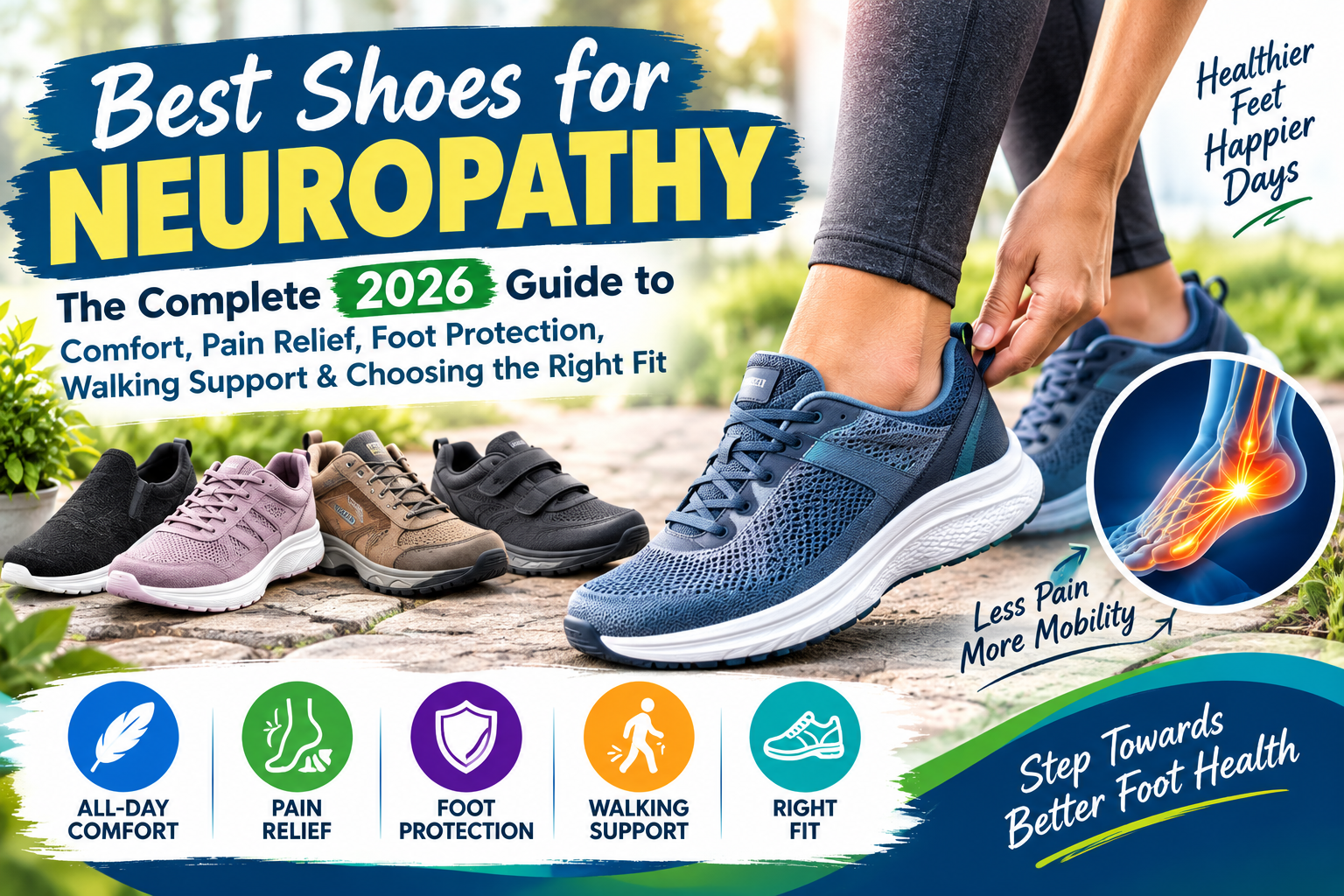
Foot discomfort can make everyday activities challenging when you have peripheral neuropathy. Burning sensations, tingling, numbness, and sensitivity to pressure can turn a simple walk into an uncomfortable experience. The right footwear can help reduce pressure, improve stability, and protect vulnerable feet from friction and injury.
Finding the best shoes for neuropathy involves more than choosing soft sneakers. You need footwear that fits properly, provides appropriate cushioning, accommodates your foot shape, and minimizes rubbing. These features are particularly important for people with diabetes, reduced sensation, or balance difficulties.
This guide explains essential shoe features, compares different footwear styles, and provides practical advice for choosing comfortable, protective shoes. You will also learn how to care for your feet and recognize when professional medical guidance is necessary.
Understanding Neuropathy and Why Proper Footwear Matters
Peripheral neuropathy occurs when nerves outside the brain and spinal cord become damaged. It frequently affects the feet and lower legs, causing numbness, burning pain, tingling, muscle weakness, or increased sensitivity. Diabetes is a common cause, although vitamin deficiencies, certain medications, alcohol-related nerve damage, and other medical conditions can also contribute.
Neuropathy affects people differently. Someone with heightened sensitivity may find ordinary shoe seams painful, while someone with numbness might develop a blister without noticing it. Reduced sensation can make minor injuries dangerous because discomfort may not provide an early warning.
Appropriate footwear helps minimize these risks. Cushioning can soften walking impact, a roomy toe box reduces compression, and a secure heel limits excessive movement inside the shoe. Although shoes cannot reverse nerve damage, they can improve comfort and protect the feet from preventable injuries.
Essential Features of the Best Shoes for Neuropathy
The most suitable footwear combines a comfortable fit with reliable support and protection. Several features deserve attention when shopping.
A wide toe box gives your toes room to move without pressing against the front or sides of the shoe. This is particularly helpful for people with bunions, hammertoes, swelling, or sensitive toes. Remember that shoes labeled wide do not always have sufficiently spacious toe boxes, so examine the actual shape.
Cushioned midsoles help absorb impact during walking and standing. Materials such as EVA foam can make hard surfaces feel less harsh. However, excessive softness may reduce stability for people experiencing balance problems.
Smooth interiors help minimize friction against sensitive skin. Look for soft linings, minimal internal stitching, and padded collars. Adjustable closures, including laces and hook-and-loop straps, can accommodate changes in foot volume without making shoes excessively loose.
A supportive heel counter helps stabilize the heel, while an appropriate outsole provides traction. The shoe should feel secure without squeezing your foot or allowing it to slide around.
Types of Shoes Suitable for Neuropathy
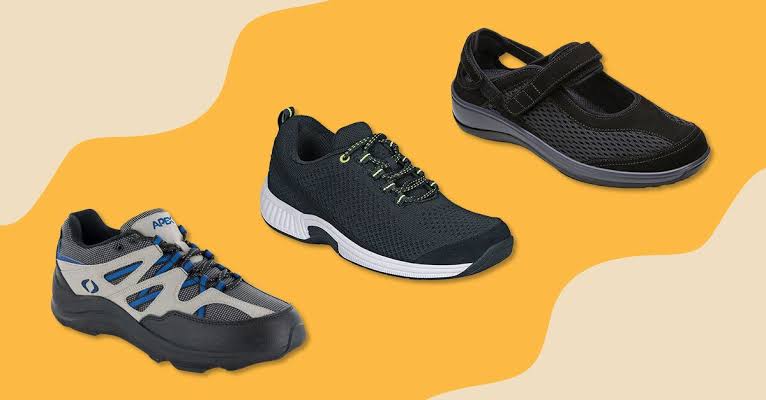
Walking shoes are often practical for everyday activities because they combine cushioning, flexibility, and support. Look for models with sufficient toe room, a stable base, and a secure fit. If you spend long periods standing or walking, comfort should remain consistent throughout the activity.
Running shoes can also be useful because many models provide substantial shock absorption. However, some have narrow toe boxes or elevated soles that feel unstable. Try walking in them before purchasing, and avoid designs that create pressure or make you feel unsteady.
Extra-depth shoes and therapeutic footwear may be appropriate when ordinary shoes create pressure over prominent joints or toes. These designs provide additional room for foot deformities and custom inserts. People with diabetes and reduced protective sensation may benefit from medical-grade footwear recommended by a healthcare professional.
Indoor footwear matters, too. Walking barefoot can expose numb feet to sharp objects, hot surfaces, and unnoticed injuries. Secure indoor shoes with protective soles may be safer than loose slippers or flimsy flip-flops.
Comparing Shoe Features for Neuropathy
The following table summarizes important footwear characteristics and their potential benefits.
| Shoe feature | Main benefit | What to check |
|---|---|---|
| Wide toe box | Reduces toe compression | Toes should not touch the sides |
| Cushioned midsole | Softens walking impact | Ensure adequate stability |
| Smooth interior | Reduces rubbing | Inspect seams and lining |
| Adjustable closure | Accommodates swelling | Shoes remain secure |
| Firm heel counter | Supports heel stability | Avoid excessive heel movement |
| Extra-depth design | Accommodates orthotics | Check internal space |
| Slip-resistant outsole | Improves traction | Match tread to walking surfaces |
| Removable insole | Allows insert adjustments | Confirm proper fit afterward |
No single feature makes a shoe suitable for everyone. A person with burning pain may prioritize soft materials, while someone with numbness may need greater protection and regular foot inspections. People experiencing both symptoms should consider comfort and injury prevention equally.
How to Choose the Right Fit
Even high-quality shoes can cause problems when they fit incorrectly. Measure both feet while standing, preferably later in the day when swelling may be more noticeable. Because feet can differ in size, choose footwear that comfortably accommodates the larger foot.
Try shoes with your usual socks and walk around for several minutes. Your toes should have room to move, the widest part of your foot should align with the shoe’s widest area, and your heel should feel secure. Avoid pinching, rubbing, or uncomfortable pressure across the top of your foot.
Do not assume painful shoes simply need breaking in. Neuropathy can make friction injuries difficult to detect, particularly when sensation is reduced. If footwear creates persistent pressure during the first fitting, try a different size or design.
Another common mistake is choosing shoes based on appearance or cushioning alone. A soft shoe may still have a narrow toe box or unstable sole. Similarly, footwear marketed as orthopedic is not automatically appropriate for your condition.
Consider your daily activities, too. Someone walking around the neighborhood may need different features from someone standing on concrete floors throughout a work shift. The ideal shoe should remain comfortable and protective during your usual routine.
Best Shoes for Neuropathy and Diabetes
Diabetes can damage peripheral nerves and reduce your ability to detect pressure or injury. A small blister, cut, or abrasion may go unnoticed and develop into a more serious wound. Poor circulation and impaired healing can increase these risks.
For people with diabetic neuropathy, footwear should provide adequate depth, a spacious toe box, a smooth interior, and protection against excessive pressure. Therapeutic shoes may be recommended for individuals with foot deformities, previous ulcers, or other high-risk characteristics.
The best shoes for neuropathy in someone with diabetes should not be selected on cushioning alone. A podiatrist or qualified healthcare professional can assess foot structure, circulation, sensation, and pressure points to determine whether standard shoes, custom inserts, or therapeutic footwear are appropriate.
Daily foot inspections are equally important. Check the tops, soles, heels, and spaces between your toes for redness, blisters, cuts, swelling, or changes in skin color. Use a mirror to inspect the bottoms of your feet if necessary.
Seek prompt medical attention for a new wound, a blister that is not healing, or signs of infection. A suddenly red, hot, or swollen foot also requires urgent assessment, particularly if you have diabetes.
Managing Burning Pain, Numbness, and Balance Problems
Footwear needs vary according to your symptoms. People experiencing burning pain or heightened sensitivity may benefit from reducing pressure and friction. Soft uppers, smooth linings, and roomy toe boxes can make everyday movement more tolerable.
Numbness requires a different approach because your feet may not provide reliable warning signals. Protective shoes, secure fastening, and regular skin checks become especially important. Inspect the inside of each shoe before wearing it to ensure that no small objects or damaged lining could cause injury.
Balance problems require additional attention. Choose footwear with a stable base, dependable traction, and a heel that does not wobble. Extremely soft or tall soles may feel unstable for some people, even when the cushioning initially seems comfortable.
If you regularly stumble, feel unsteady, or experience muscle weakness, consult a healthcare professional. A physical therapist may assess your gait and recommend exercises or mobility support to improve stability.
For example, someone who experiences burning sensations after standing might benefit from a roomier shoe with a smooth lining and appropriate cushioning. If symptoms continue, a podiatrist can assess whether pressure, foot alignment, or another underlying problem needs attention.
Can Orthotic Insoles Improve Neuropathy Comfort?
Orthotics are inserts designed to support the feet, redistribute pressure, or improve the distribution of forces during walking. Depending on individual needs, they may reduce pressure over vulnerable areas and improve comfort.
Over-the-counter insoles can help some people, particularly when the main concern is general comfort. However, inserts take up space. Adding a thick insole to a shoe that already fits tightly can increase pressure on the toes or the top of the foot.
Custom orthotics may be recommended for structural problems, abnormal pressure distribution, or a history of foot ulcers. They should be fitted and monitored by a qualified professional rather than purchased solely because a product claims to treat neuropathy.
The shoe must still have sufficient depth, a secure fit, and a suitable sole. If an insert causes redness, rubbing, or new discomfort, stop using it until the fit has been reviewed, particularly if you have diabetes or reduced sensation.
Daily Foot Care for Better Protection
Good footwear works best when combined with consistent foot care. Before putting on your shoes, inspect your feet for blisters, cuts, swelling, redness, and unusual skin changes. Check each shoe’s interior for rough seams, loose lining, or small objects that could injure your skin.
Keep your feet clean and dry, and moisturize dry skin as appropriate. Avoid applying lotion between the toes, where excess moisture can encourage skin problems. Choose socks that fit comfortably without tight bands or bulky seams.
Replace shoes when cushioning deteriorates, the outsole wears unevenly, or the interior becomes rough. Footwear can lose its supportive qualities even when it still looks acceptable. Check the fit periodically, especially if your feet swell or their shape changes.
Regular inspections and timely adjustments can help prevent minor footwear problems from becoming serious injuries.
Frequently Asked Questions
What are the best shoes for neuropathy for everyday walking?
The most suitable shoes generally have a wide toe box, cushioning, a smooth interior, a secure heel, and a stable outsole. Walking shoes with adjustable closures can work well for everyday activities. People with diabetes-related complications may need therapeutic footwear recommended by a healthcare professional.
Are running shoes suitable for peripheral neuropathy?
Running shoes can be suitable because many models offer cushioning and breathable uppers. However, some have narrow toe boxes or unstable platforms. Choose a pair that accommodates your toes, keeps your heel secure, and feels stable while walking. People with significant numbness or previous foot ulcers should seek professional guidance.
Should I wear shoes indoors if I have neuropathy?
Protective indoor footwear may be helpful if you cannot reliably feel heat, sharp objects, or pressure beneath your feet. Choose secure shoes or supportive slippers with protective soles. Loose slippers and barefoot walking can increase injury risks, particularly for people with diabetes or reduced sensation.
Do cushioned shoes cure neuropathy pain?
No. Cushioning may reduce impact and improve comfort, but it does not reverse nerve damage or treat the underlying cause. Some people benefit from softer midsoles, while others need firmer, more stable footwear. Persistent pain should be evaluated by a healthcare professional.
Are wide shoes better for neuropathy?
Wide shoes can help when standard footwear compresses the toes or sides of the feet. However, width alone is not enough. The shoe must also have the correct length, adequate depth, a secure heel, and a smooth interior. Excessively wide shoes can allow the foot to slide and increase friction.
Can orthotic insoles help people with neuropathy?
Orthotic insoles may improve comfort or redistribute pressure when properly selected and fitted. Some people benefit from over-the-counter products, while others need custom devices. Anyone with diabetes, reduced protective sensation, or previous foot ulcers should consult a qualified professional before using new inserts.
How often should I replace shoes if I have neuropathy?
There is no universal replacement schedule because shoe lifespan depends on construction, walking frequency, and surface conditions. Replace footwear when cushioning deteriorates, the sole wears unevenly, the interior becomes rough, or the fit changes. Inspect your feet and shoes regularly instead of waiting for discomfort to signal a problem.
Conclusion
Choosing the best shoes for neuropathy means finding a balance between cushioning, stability, adequate space, and protection. Wide toe boxes, smooth interiors, secure closures, and supportive soles can improve everyday comfort while reducing avoidable friction and pressure.
The right footwear depends on your symptoms and medical circumstances. Someone experiencing burning pain may prioritize soft materials, while a person with numbness or diabetes may need more protective footwear and careful monitoring. Custom orthotics or therapeutic shoes may be appropriate when deformities, abnormal pressure, or previous foot ulcers are involved.
Do not ignore discomfort simply because a shoe is new or marketed as orthopedic. Check your feet daily, inspect your footwear, and seek professional advice when symptoms persist or skin changes appear.
Final takeaway: The most effective footwear is not necessarily the softest or most expensive pair. It is the pair that fits correctly, supports your daily activities, and protects your skin consistently. Combined with appropriate medical care and regular foot inspections, a thoughtful footwear choice can help you move with greater comfort and confidence.