What Is Turf Toe?
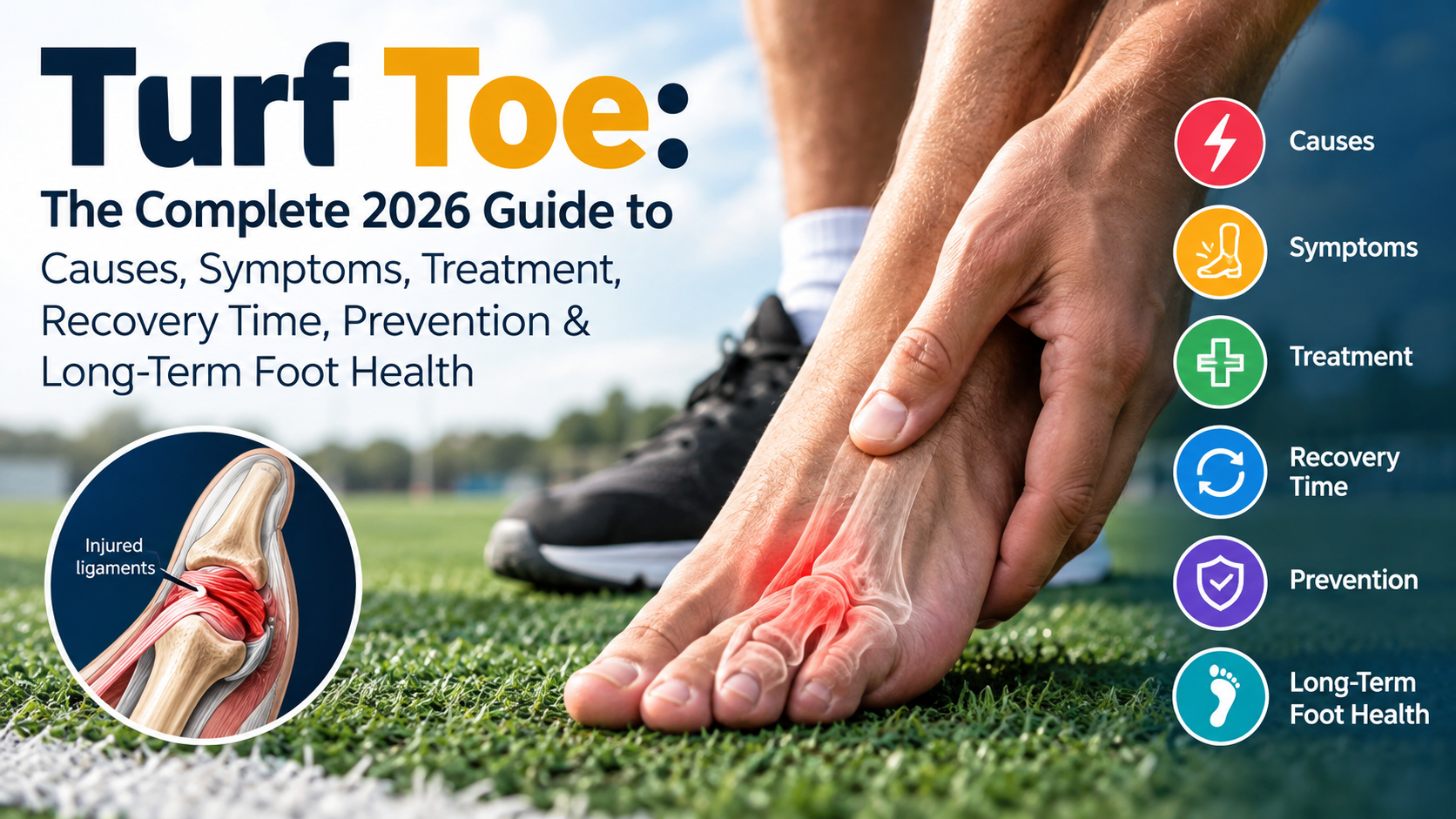
Turf toe is a sprain of the ligaments and soft tissues surrounding the metatarsophalangeal (MTP) joint at the base of the big toe. It commonly occurs when the toe bends too far upward while the foot is planted on the ground, stretching or tearing the supporting structures. Although the injury is often associated with athletes playing football on artificial turf, it can also affect runners, dancers, gym enthusiasts, and anyone who places excessive pressure on the forefoot.
The big toe plays an essential role in walking, running, jumping, and pushing off the ground. When its joint becomes injured, everyday activities such as climbing stairs or walking barefoot may become uncomfortable. Symptoms range from mild tenderness to substantial swelling, bruising, and difficulty bearing weight. Recognizing the injury early and choosing appropriate treatment can help protect joint stability and reduce the risk of persistent pain.
What Causes Turf Toe?
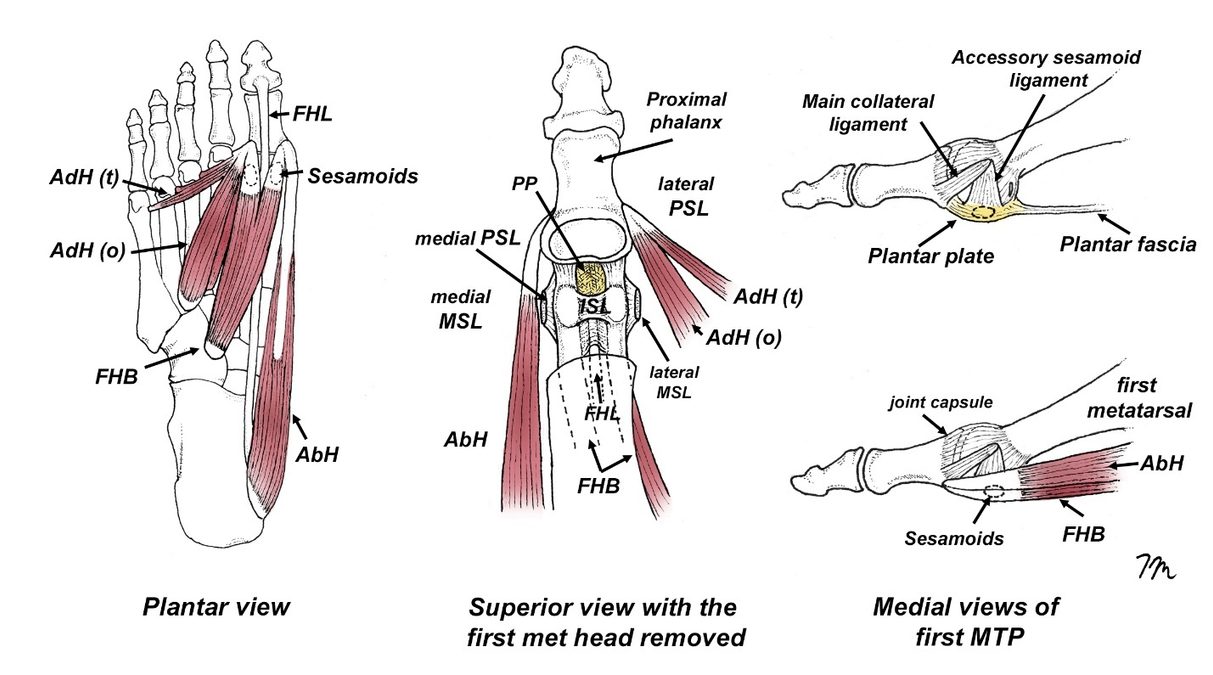
This injury typically develops when the big toe is forced into excessive extension while the rest of the foot remains relatively fixed. The position stretches the plantar plate, joint capsule, and surrounding ligaments beneath the toe. Sudden acceleration, abrupt changes of direction, jumping, and pushing off forcefully can create this mechanism, particularly in sports played on firm surfaces.
Artificial turf may increase the risk because some playing surfaces and footwear combinations provide substantial traction, preventing the foot from moving naturally during a sudden stop. Flexible athletic shoes can also allow excessive toe bending. However, the injury is not exclusive to artificial surfaces. A runner pushing uphill, a basketball player landing awkwardly, or a person stumbling forward may experience a similar sprain.
Common Symptoms and Warning Signs
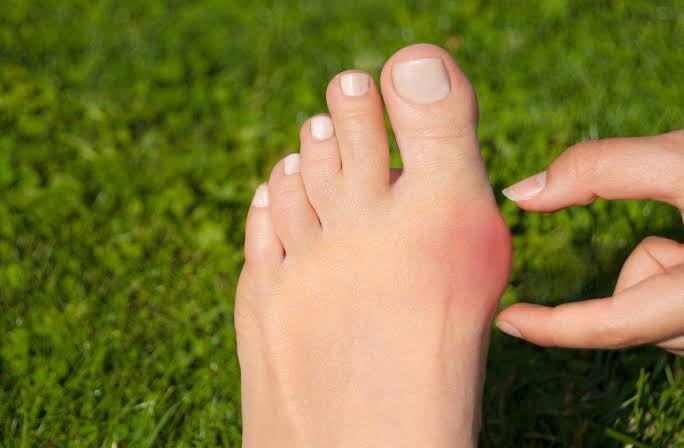
Symptoms depend on the severity of the tissue damage. Mild injuries may cause tenderness beneath the big toe, slight swelling, or discomfort when walking. More substantial injuries can produce bruising, stiffness, reduced joint movement, and pain when pushing off the foot. Some people notice that standing on tiptoe or bending the toe upward becomes particularly uncomfortable.
Severe injuries may involve a complete ligament tear, joint instability, or an associated fracture. A popping sensation, significant swelling, inability to bear weight, visible deformity, or intense pain warrants prompt medical assessment. Symptoms that persist or worsen despite rest should also be evaluated, because fractures, sesamoid injuries, and other forefoot conditions can resemble a simple sprain.
Grades of Injury and What They Mean
Healthcare professionals commonly classify this injury into three grades based on tissue damage, swelling, and joint stability.
| Grade | Typical findings | General recovery expectations |
|---|---|---|
| Grade 1: Mild | Ligament stretching, localized tenderness, minimal swelling | Often several days to two weeks |
| Grade 2: Moderate | Partial tearing, noticeable swelling, bruising, reduced movement | Often several weeks, sometimes longer |
| Grade 3: Severe | Extensive or complete tearing, substantial pain, possible joint instability | Several weeks to months; specialist treatment may be needed |
These time frames are estimates rather than guarantees. Recovery depends on the extent of damage, treatment, activity demands, and whether additional structures are injured. A competitive athlete may require more time to regain explosive acceleration than someone who primarily walks for exercise.
How Is Turf Toe Diagnosed?
Diagnosis usually begins with a medical history and physical examination. A clinician may ask how the injury occurred, where the pain is concentrated, whether swelling developed immediately, and whether walking remains possible. Examination can assess tenderness, range of motion, swelling, and joint stability. Forceful testing should be avoided when a severe injury is suspected.
Imaging may be recommended when symptoms are significant or the diagnosis is uncertain. X-rays help identify fractures, bone fragments, or changes in joint alignment. Weight-bearing images may reveal instability, while MRI can help assess the plantar plate, ligaments, and other soft tissues when a more serious injury is suspected. Accurate diagnosis matters because treatment for a mild sprain differs from management of a complete tear or fracture.
Turf Toe Treatment: What Helps Recovery?
Initial care generally focuses on protecting the joint and controlling pain and swelling. Stop activities that reproduce the pain, apply a cold pack wrapped in a towel for 15–20 minutes at a time, and elevate the foot when practical. Avoid placing ice directly on the skin. Compression may help swelling, provided it does not cause numbness, discoloration, or increased discomfort.
Depending on severity, a clinician may recommend a stiff-soled shoe, a walking boot, taping, or temporary crutches to reduce pressure on the joint. Over-the-counter pain medication may help some people, but suitability depends on individual health conditions and other medicines. A pharmacist or healthcare professional can advise on safe use. Avoid aggressive stretching or repeatedly bending the toe to test whether it has healed.
Mild injuries often improve with conservative care, while moderate and severe cases may need a structured rehabilitation plan. Surgery is uncommon but may be considered for substantial ligament disruption, significant joint instability, displaced bone fragments, or injuries that fail to respond to appropriate nonsurgical treatment.
Exercises and Rehabilitation After Injury
Rehabilitation should progress gradually and follow pain levels and clinical guidance. During the early phase, protecting the joint takes priority over strengthening it. Once pain and swelling begin to settle, gentle toe movement may help restore mobility, provided the movement does not aggravate symptoms. Forcing the big toe backward too soon can delay recovery.
Later stages may include towel scrunches, controlled toe flexion, calf strengthening, balance exercises, and gradual weight-bearing activities. A physical therapist can adjust the plan to the injury grade and the demands of the person’s sport or daily routine. For example, a runner may progress from comfortable walking to brisk walking, short jogs, and eventually faster running only after symptoms and function improve.
A useful principle is: “Restore comfortable movement first, then rebuild strength, and return to speed last.” This approach reduces the temptation to resume demanding activities simply because pain has temporarily decreased.
Recovery Time and Returning to Sports
Recovery varies considerably. Mild sprains may settle within days or a couple of weeks, whereas moderate injuries can require several weeks. Severe ligament damage may take months to recover fully. Pain relief alone does not confirm that the joint is ready for running, jumping, or competitive play.
Before returning to sport, a person should be able to walk briskly, move the toe comfortably within the recommended range, balance on the affected foot, and perform sport-specific movements without significant pain or swelling. Progress should be gradual, with symptoms monitored during activity and over the following day. If pain returns, reduce the workload and seek professional advice when necessary.
Athletes should avoid rushing back for an important match or event. Returning too early can prolong symptoms and increase the likelihood of reinjury, especially when the sport involves sprinting, cutting, or repeated jumping.
How to Prevent Future Injuries
Appropriate footwear is an important preventive measure. Shoes with a supportive, relatively stiff forefoot can limit excessive bending of the big toe, while sport-specific footwear should provide a suitable balance of traction and mobility. Some athletes benefit from a carbon-fiber plate, stiff insert, or toe taping under professional guidance.
Strength, balance, and gradual training progression also matter. Warm up before intense activity, increase running volume carefully, and avoid suddenly adding repeated sprints or jumps after a period of reduced training. Coaches and athletes should also consider playing-surface conditions and whether footwear is appropriate for the environment.
People with previous injuries may need additional protection during high-demand activities. If discomfort repeatedly develops beneath the big toe, address it early instead of relying on painkillers or continuing through worsening symptoms.
Turf Toe vs. Other Big Toe Injuries
Not every painful big toe is caused by a ligament sprain. Gout can produce sudden, intense joint pain, redness, warmth, and swelling. A fracture may cause focal bone tenderness and difficulty bearing weight. Sesamoiditis typically causes pain beneath the big toe near the small bones that help support the joint during push-off. Hallux rigidus, a degenerative joint condition, often causes ongoing stiffness and restricted upward movement.
These conditions can overlap in their symptoms, so self-diagnosis is not always reliable. A sudden injury followed by swelling suggests traumatic damage, while recurring episodes or gradual stiffness may point toward another cause. Persistent, severe, or unexplained pain deserves medical evaluation, especially when walking becomes difficult.
Frequently Asked Questions
Can you walk with turf toe?
Walking may be possible with a mild sprain, although discomfort often increases during push-off. More severe injuries can make weight-bearing difficult. Avoid forcing yourself to walk through significant pain, and seek medical assessment if you cannot bear weight normally.
How long does turf toe take to heal?
Mild injuries may improve within several days to two weeks, moderate injuries often need several weeks, and severe injuries may require months. The grade of injury, joint stability, rehabilitation, and physical demands all influence recovery.
Should you stretch your big toe after an injury?
Not immediately if stretching increases pain or swelling. Early treatment generally prioritizes protection and symptom control. Gentle mobility exercises may be introduced as the injury improves, ideally with guidance from a healthcare professional or physical therapist.
Is turf toe a serious injury?
Many cases are mild and recover without surgery, but extensive ligament tears and joint instability can be serious. Severe swelling, deformity, inability to bear weight, or worsening pain should prompt timely medical evaluation.
Can you exercise while recovering?
You may be able to perform activities that do not stress the injured joint, depending on severity. Upper-body training or other clinician-approved exercises may be appropriate, but running, jumping, and forceful toe-off movements should wait until recovery allows them.
What shoes are best during recovery?
Supportive shoes with a stiff sole and limited forefoot bending may reduce stress on the joint. A clinician may recommend a walking boot or specialized insert for more substantial injuries. The appropriate choice depends on injury severity and comfort.
Can the injury become chronic?
Yes. Returning to intense activity before the joint has recovered can contribute to persistent pain, stiffness, reduced movement, or instability. Proper protection, progressive rehabilitation, and a criteria-based return to sport help reduce these risks.
Conclusion
Turf toe is a common but potentially disruptive injury involving the ligaments and supporting tissues at the base of the big toe. Although mild cases often respond to rest, protection, and gradual rehabilitation, more serious injuries may require imaging, specialist care, or surgery. Understanding the symptoms, injury grades, and recovery process helps people make informed decisions instead of returning to activity too quickly.
The most important takeaway is to protect the joint early, progress activity gradually, and use pain-free function—not impatience—as the guide for returning to sport. With appropriate assessment and consistent rehabilitation, many people can regain comfortable movement and return to their usual activities while reducing the risk of recurring problems.