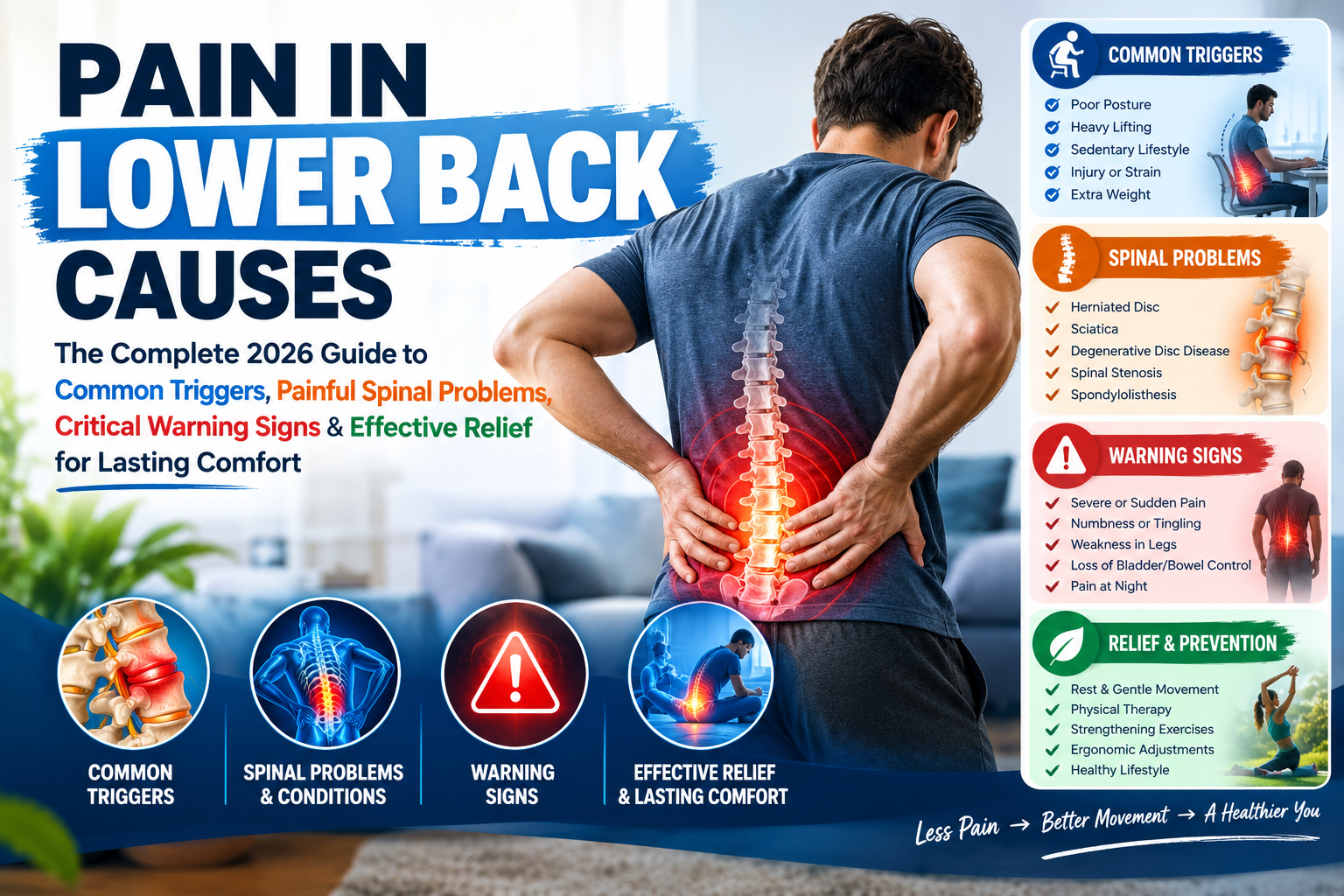
Lower back pain can make everyday activities such as sitting, walking, exercising, and sleeping uncomfortable. Some people experience a mild ache after a long day, while others develop sharp pain that makes bending or lifting difficult. Understanding the possible causes can help you identify contributing factors, choose appropriate relief strategies, and recognize when medical attention is necessary.
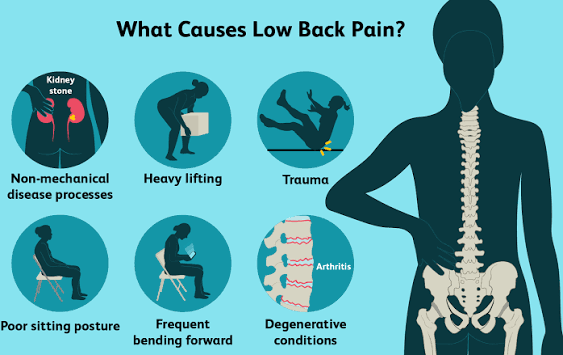
The most common pain in lower back causes include muscle strain, ligament injuries, prolonged sitting, poor lifting technique, age-related spinal changes, and nerve irritation. Sometimes, the discomfort results from a herniated disc, arthritis, kidney problems, or another medical condition.
The location and pattern of pain can provide useful clues. For example, soreness after lifting a heavy object may suggest muscle strain, while pain traveling into the leg may indicate nerve irritation. However, symptoms alone cannot confirm a diagnosis.
What Causes Lower Back Pain?
The lumbar spine consists of five vertebrae, cushioning discs, joints, ligaments, muscles, and nerves. These structures support body weight and allow movements such as bending, twisting, and walking. Pain can develop when one or more structures become irritated, strained, inflamed, or injured.
Understanding pain in lower back causes involves distinguishing mechanical pain from nerve-related or referred pain. Mechanical pain commonly involves muscles, ligaments, joints, or discs. Nerve-related pain may cause tingling, numbness, burning, or discomfort that spreads into the buttocks and legs. Referred pain originates elsewhere in the body but is felt in the back.
Some episodes begin after an obvious injury, while others develop gradually. Reduced physical activity, poor sleep, prolonged sitting, stressful circumstances, and suddenly increasing exercise intensity can all contribute. In many cases, several factors interact rather than one isolated problem explaining everything.
Muscle Strain and Poor Posture
Muscle strain is one of the most common explanations for lower back discomfort. It can occur after lifting furniture, carrying heavy shopping bags, twisting awkwardly, or performing an unfamiliar workout. Symptoms often include localized soreness, tightness, tenderness, and pain when bending or changing positions.
Prolonged sitting can also aggravate symptoms, particularly when someone remains in the same position for hours without movement breaks. However, sitting is not inherently harmful, and poor posture is not necessarily the sole cause of back pain.
For example, someone working at a computer might notice stiffness after several hours that improves with walking. Regular movement breaks, comfortable workstation adjustments, and gradual strengthening exercises may help. The goal is to vary positions and build physical capacity rather than maintain one rigid posture all day.
When muscle strain is suspected, temporarily reduce activities that significantly worsen the pain while continuing comfortable movement. Prolonged bed rest is generally unhelpful. Severe pain, significant trauma, or symptoms that continue worsening require medical assessment.
Herniated Discs and Sciatica
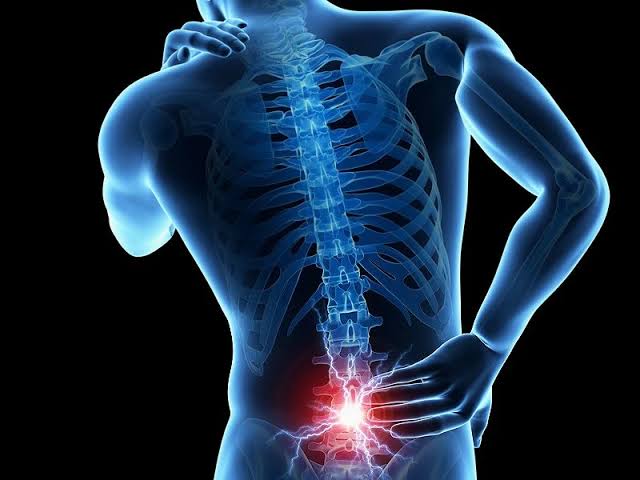
Intervertebral discs cushion the bones of the spine. A herniated disc occurs when disc material pushes through a weakened area of its outer layer. If it irritates a nearby nerve root, it can produce lower back pain alongside symptoms that travel into the buttock or leg.
Sciatica describes pain associated with irritation of the sciatic nerve or its contributing nerve roots. It may feel sharp, burning, or electric and can be accompanied by tingling, numbness, or weakness. Some people find that coughing, sneezing, or certain movements intensify their symptoms.
Not every disc bulge or herniation causes pain. Imaging scans often reveal age-related changes in people who have no symptoms, so findings must be interpreted alongside the medical history and physical examination.
Many people improve through appropriate activity, physical therapy, and clinician-guided treatment. However, progressive leg weakness, new foot drop, or changes in bladder or bowel control require urgent medical assessment.
Arthritis and Spinal Stenosis
Age-related changes can affect the spinal discs and facet joints. Osteoarthritis may contribute to stiffness and discomfort during particular movements, although many people have spinal changes without experiencing pain.
Spinal stenosis occurs when spaces around the spinal cord or nerve roots become narrower, potentially putting pressure on nerves. Symptoms may include back discomfort, leg pain, numbness, or weakness. A common pattern is leg discomfort during standing or walking that improves when sitting or leaning forward.
Treatment depends on symptom severity and its effect on daily activities. Tailored exercises, physical therapy, walking modifications, and appropriate medication may help. Surgery is sometimes considered when significant nerve compression causes persistent disability or progressive neurological problems.
Kidney Problems and Other Medical Conditions
Not all back pain originates in the spine. Kidney stones can cause severe pain in the flank, sometimes spreading toward the lower abdomen or groin. Nausea or blood in the urine may also occur. Kidney infections can produce back or flank pain alongside fever, chills, painful urination, or frequent urination.
Other conditions, including certain abdominal disorders, spinal infections, fractures, and inflammatory diseases, can also cause back pain. Although less common, some serious conditions require prompt investigation.
Pain accompanied by fever, unexplained weight loss, urinary symptoms, or significant abdominal discomfort should not automatically be treated as muscle strain. Seek medical advice promptly, especially if symptoms are severe or worsening.
Lifestyle Factors That Can Contribute to Back Pain
Low physical activity may reduce muscular endurance, while suddenly increasing exercise intensity can overload tissues that are not prepared for the demand. Excess body weight may increase mechanical stress on the back for some people, although weight alone does not determine whether someone experiences pain.
Sleep and stress also influence pain. Poor sleep can increase sensitivity to discomfort, while ongoing stress may contribute to muscle tension. These effects do not mean the pain is imaginary; physical tissues, the nervous system, sleep, and emotional well-being can all influence the pain experience.
Regular walking, gradual strength training, adequate sleep, balanced nutrition, and smoking cessation can support overall spinal health. Identifying patterns is useful, too. For example, someone may notice that symptoms worsen after long drives, poor sleep, or unusually demanding workouts.
How to Relieve Lower Back Pain
For uncomplicated lower back pain, gentle movement is generally preferable to prolonged bed rest. Short walks, comfortable position changes, and a gradual return to normal activities can help maintain mobility. Temporarily modify activities that clearly aggravate symptoms rather than avoiding all movement.
Heat may ease stiffness and muscle tension, while cold packs can provide short-term comfort for some people. Use a protective layer between the skin and the heat or cold source to prevent injury.
Pain medication may help, depending on the cause and the individual’s health. Nonsteroidal anti-inflammatory drugs, such as ibuprofen, are unsuitable for some people with kidney disease, stomach ulcers, cardiovascular conditions, or medication interactions. Follow product instructions and consult a pharmacist or clinician if safety is uncertain.
Persistent or recurring symptoms may benefit from a tailored physical therapy program involving trunk strengthening, hip mobility, movement retraining, and gradual increases in activity.
Common Causes and Recommended Next Steps
| Possible cause | Typical symptoms | Appropriate next step |
|---|---|---|
| Muscle strain | Localized soreness and tightness | Gentle movement and activity modification |
| Herniated disc | Back pain that may spread into a leg | Medical assessment if persistent or severe |
| Sciatica | Shooting pain, tingling, or numbness in a leg | Clinical evaluation if worsening |
| Spinal stenosis | Leg symptoms during standing or walking | Assessment for nerve compression |
| Arthritis | Stiffness and pain with movement | Tailored exercise and professional guidance |
| Kidney stones | Flank pain, sometimes spreading toward the groin | Prompt medical assessment |
| Kidney infection | Back pain with fever or urinary symptoms | Urgent medical evaluation |
These patterns are general guides, not definitive diagnoses. The severity, duration, associated symptoms, and medical history all influence the appropriate response.
Warning Signs That Require Medical Attention
Certain symptoms require emergency care. These include new difficulty urinating, loss of bladder or bowel control, numbness around the genitals or anus, or rapidly worsening weakness in one or both legs. They may indicate cauda equina syndrome, a rare but serious condition involving compression of nerves at the lower end of the spinal canal.
Seek emergency care if these symptoms develop. Prompt assessment is important because delayed treatment can result in lasting neurological damage.
Other warning signs include fever, unexplained weight loss, a history of cancer, recent serious infection, osteoporosis, or significant trauma. Arrange medical evaluation if pain is persistent, progressively worsening, or interfering substantially with sleep, walking, or everyday activities.
How to Prevent Recurring Lower Back Pain
Regular physical activity can improve strength, mobility, and endurance. Walking and appropriately scaled exercises for the trunk, hips, and legs can make everyday movements easier and help the body tolerate physical demands.
When lifting, keep objects close to the body, maintain a stable stance, and avoid sudden twisting while carrying heavy loads. Break large loads into manageable portions and ask for assistance when necessary. At work, take movement breaks and adjust your workstation for comfort.
Adequate sleep and gradual exercise progression also support recovery. If symptoms repeatedly return, track activities that appear to aggravate them and discuss the pattern with a healthcare professional.
The objective is not to protect the back from every movement but to build the capacity to move comfortably and confidently.
Frequently Asked Questions
What are the most common pain in lower back causes?
Common causes include muscle strain, ligament injuries, prolonged sitting, irritated spinal joints, and disc problems. Sciatica and spinal stenosis can produce nerve-related symptoms, while kidney conditions may cause pain in the back or flank. A medical assessment helps distinguish these possibilities when symptoms are persistent, severe, or unusual.
Can sitting too long cause lower back pain?
Prolonged sitting can contribute to stiffness and aggravate existing discomfort, especially when combined with limited activity. Regular movement breaks, comfortable workstation adjustments, walking, and strengthening exercises can help. Sitting itself does not automatically damage the spine.
How can I tell if my back pain is muscular or nerve-related?
Muscular pain often causes localized aching, tightness, and tenderness. Nerve-related pain may travel into the buttock or leg and cause tingling, numbness, burning, or weakness. These symptoms can overlap, so they cannot confirm a diagnosis on their own.
When should I worry about lower back pain?
Seek emergency care for new bladder or bowel dysfunction, numbness around the groin or anus, or rapidly worsening leg weakness. Significant trauma also requires urgent assessment. Fever, unexplained weight loss, or progressively worsening pain should prompt medical evaluation.
Can lower back pain go away on its own?
Yes. Many episodes of uncomplicated acute back pain improve within days to a few weeks, although recovery varies. Gentle activity and gradual return to normal routines can help. Pain that worsens, produces neurological symptoms, or fails to improve as expected should be assessed.
Is exercise safe when my lower back hurts?
Gentle walking and comfortable mobility exercises are often appropriate for uncomplicated pain. Activities that sharply worsen symptoms may need modification. Stop and seek medical advice if exercise causes progressive weakness, significant numbness, or severe worsening pain. Emergency warning signs require immediate assessment.
Conclusion
Understanding pain in lower back causes means considering the muscles, ligaments, discs, joints, nerves, lifestyle factors, and medical conditions that may contribute to discomfort. Muscle strain and mechanical irritation are common, but radiating leg pain, urinary symptoms, fever, or neurological changes can indicate problems requiring specific treatment.
For many people, recovery involves appropriate movement, gradual strengthening, improved daily habits, adequate sleep, and professional guidance when necessary. The most important takeaway is to recognize warning signs, avoid prolonged inactivity when movement is safe, and seek timely medical care when symptoms warrant it. These steps provide a practical foundation for protecting mobility and supporting long-term back health.