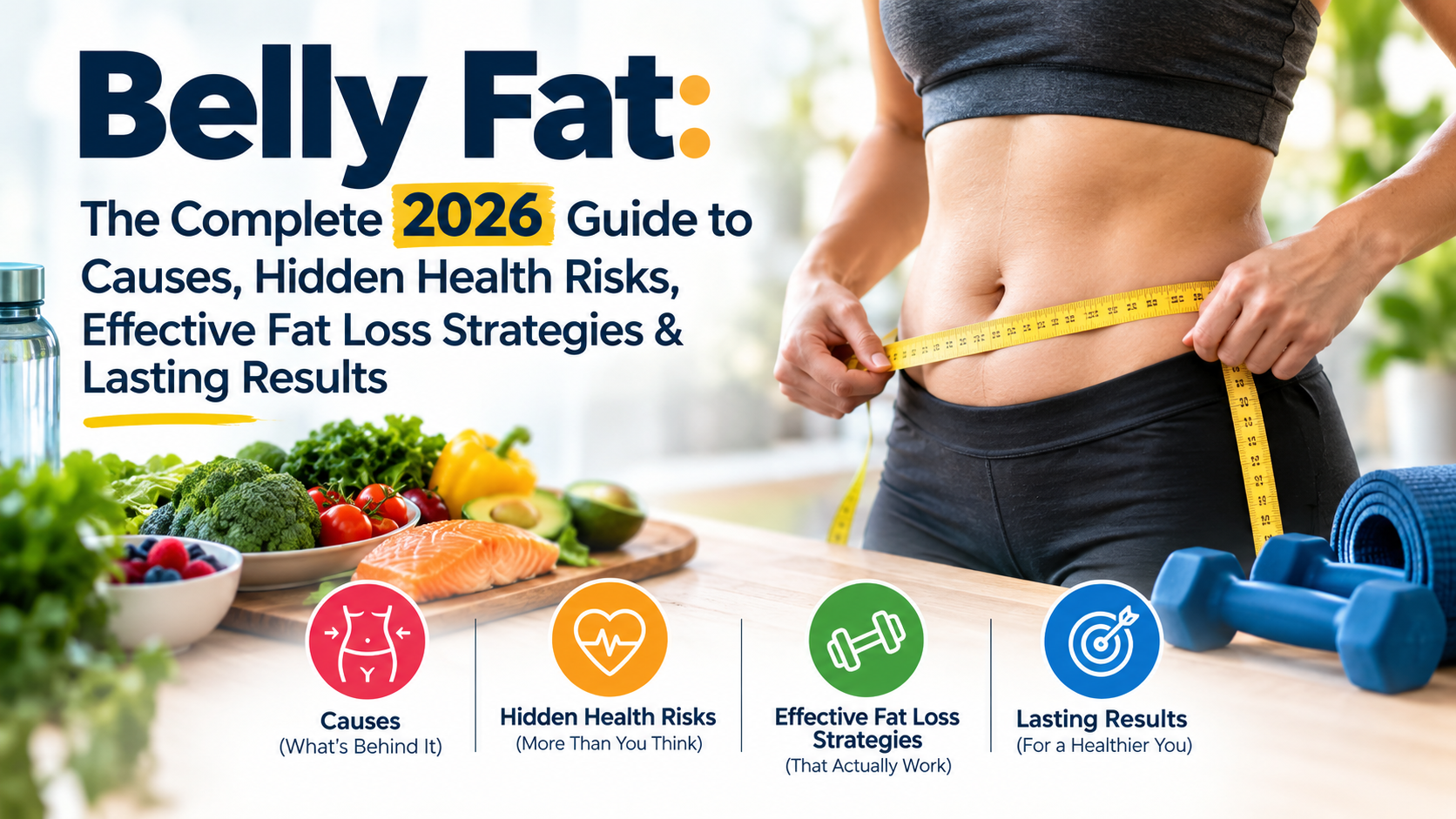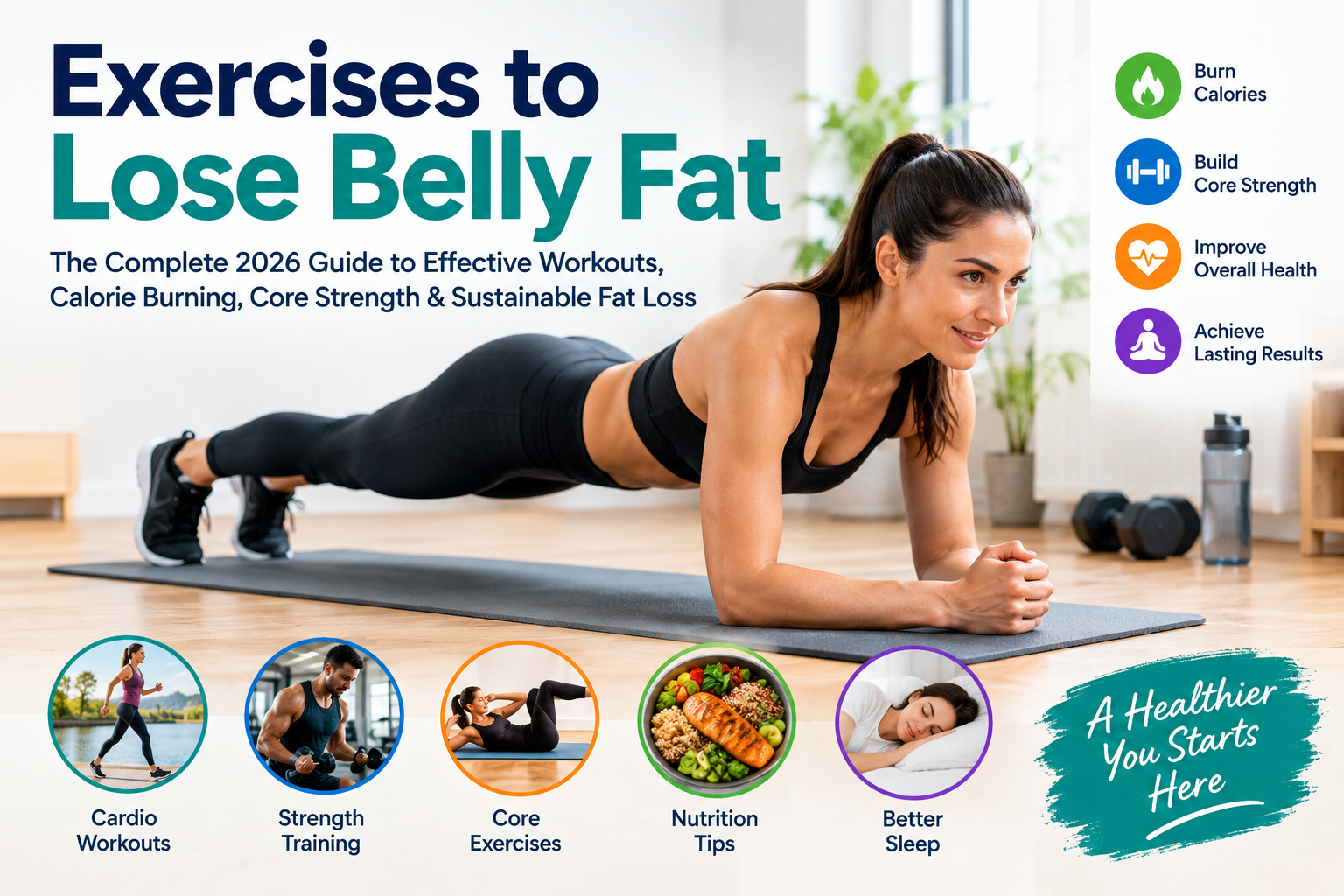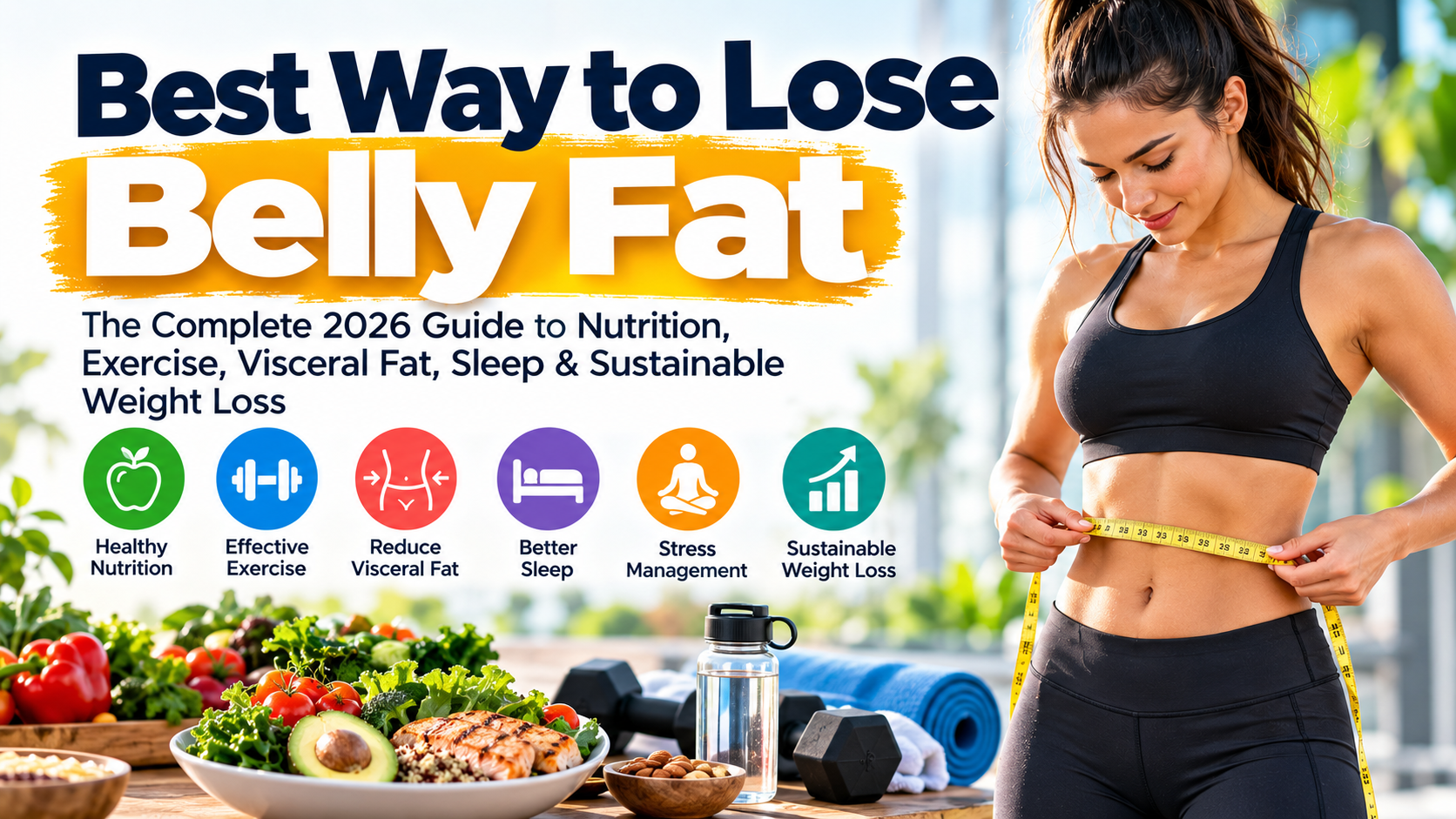

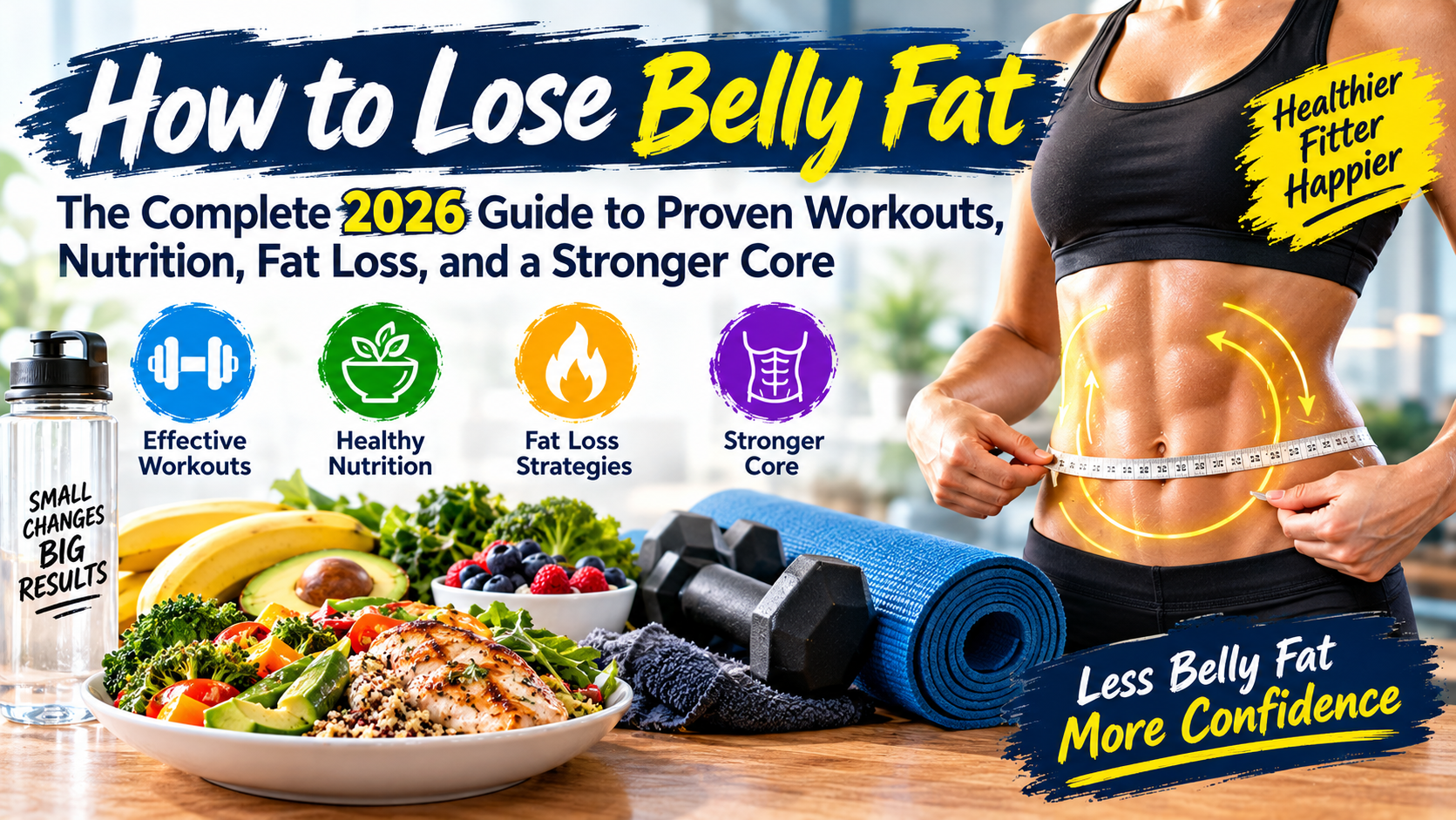
Learning how to lose belly fat involves more than doing hundreds of crunches or cutting out carbohydrates. Abdominal fat is influenced by overall body fat, eating habits, physical activity, sleep, stress, genetics, and hormonal factors. The most effective approach combines balanced nutrition, regular exercise, strength training, and consistent lifestyle habits.
Belly fat is also not just a cosmetic concern. Excess abdominal fat, particularly visceral fat stored deep around internal organs, is associated with a higher risk of conditions such as type 2 diabetes and cardiovascular disease. The good news is that gradual, sustainable fat loss can improve health even before you achieve your preferred waistline.
This guide explains what causes abdominal fat, which workouts and foods support fat loss, how to build a realistic routine, and which popular strategies are unlikely to deliver the results they promise.
Understanding Belly Fat and Why It Accumulates

Belly fat generally includes two main types. Subcutaneous fat sits beneath the skin and is the soft tissue you can pinch around your waist. Visceral fat lies deeper inside the abdomen, surrounding internal organs. Although both are normal parts of human body composition, excessive visceral fat is particularly associated with metabolic health risks.
Abdominal fat can accumulate when energy intake regularly exceeds the energy your body uses. However, calorie balance is only part of the picture. Age, genetics, hormones, sleep quality, medications, stress, and daily movement can influence appetite, fat distribution, and weight management. Some people naturally store more fat around their waist than their hips.
Understanding these factors helps set realistic expectations. You cannot choose exactly where your body loses fat first, and a shrinking waist may happen at a different pace from changes elsewhere. Instead of focusing exclusively on appearance, monitor several indicators, including waist measurement, strength, energy, fitness, and overall health.
How to Lose Belly Fat Through a Sustainable Calorie Deficit

A calorie deficit occurs when your body uses more energy than you consume over time. This encourages the body to use stored energy, including fat. For many adults, a modest deficit is easier to maintain than an aggressive diet because it can reduce excessive hunger, support workout performance, and make it easier to preserve muscle.
You do not necessarily need to count every calorie. You can start by building meals around protein-rich foods, vegetables, fruit, appropriate portions of carbohydrates, and healthy fats. Reducing frequent sugary drinks, oversized portions, and high-calorie snacks can also help without requiring a complete overhaul of your eating habits.
For example, replacing a daily sugary beverage with water and preparing balanced lunches at home may create a useful change over time. The best approach is one you can maintain while enjoying food and meeting your nutritional needs. If you have a history of disordered eating, are pregnant, or have a medical condition affecting nutrition, seek individualized guidance before beginning a weight-loss plan.
Best Foods to Support Abdominal Fat Loss


No single food melts abdominal fat. However, choosing foods that support fullness, provide essential nutrients, and make calorie intake easier to manage can help you maintain a sustainable eating pattern.
Protein sources such as eggs, fish, chicken, lean meat, Greek yogurt, tofu, and beans can support muscle maintenance during weight loss. Vegetables, fruit, and whole grains provide fiber and other nutrients, while foods such as nuts, seeds, olive oil, and avocado supply healthy fats. Portion sizes still matter because even nutritious foods contribute calories.
| Food group | Examples | Why it helps |
|---|---|---|
| Protein-rich foods | Eggs, fish, chicken, tofu, yogurt | Supports muscle maintenance and fullness |
| High-fiber foods | Oats, beans, lentils, vegetables | Helps support fullness and digestive health |
| Fruit | Apples, berries, oranges | Provides fiber, vitamins, and minerals |
| Whole grains | Oats, brown rice, whole-grain bread | Supplies energy and nutrients |
| Healthy fats | Nuts, seeds, olive oil | Provides essential fats and helps make meals satisfying |
| Drinks | Water, unsweetened tea | Can replace sugary drinks and support hydration |
The practical goal is not to eliminate carbohydrates or fats. It is to choose a balanced combination of foods, manage portions, and build habits that fit your culture, budget, preferences, and activity level.
The Best Workouts for Losing Belly Fat

Cardio exercises such as brisk walking, jogging, cycling, swimming, and dancing increase energy expenditure and improve cardiovascular fitness. You do not need to perform exhausting workouts to make progress. Starting with a daily walk and gradually increasing duration or pace can be an effective strategy, especially if you spend much of the day sitting.
For most adults, the general public-health target is at least 150 minutes of moderate-intensity aerobic activity per week, or 75 minutes of vigorous activity, alongside muscle-strengthening activity on at least two days. These are general targets, not requirements to meet immediately. People who are new to exercise can start with shorter sessions and build up gradually.
The best workout is one you can repeat consistently. If running feels uncomfortable, try cycling or swimming. If your schedule is busy, split activity into shorter sessions throughout the day. Regular movement, combined with a suitable eating pattern, can help reduce overall body fat, including abdominal fat.
Strength Training and Core Exercises


Strength training helps build or preserve muscle while you lose fat. Exercises such as squats, lunges, rows, push-ups, and deadlift variations train multiple muscle groups and support functional strength. Maintaining muscle is particularly valuable during weight loss because the aim is not simply to reduce body weight but to improve body composition.
Core exercises—including planks, dead bugs, bird dogs, and controlled crunches—strengthen the abdominal and trunk muscles. However, they do not selectively burn the fat covering those muscles. A stronger core may improve stability, posture, and exercise performance, while fat loss depends on broader habits involving nutrition and physical activity.
A balanced weekly routine might include two or three full-body strength sessions and several cardio sessions, adjusted to your fitness level and recovery. Start with manageable resistance, learn proper technique, and increase difficulty gradually. If you have an injury or medical condition, consult a qualified professional about suitable exercises.
A Practical Weekly Fitness Plan

A structured routine removes the need to make a new decision every day. When planning how to lose belly fat, combine aerobic exercise, resistance training, and recovery rather than relying on one intense workout. Consistency over months is generally more useful than a demanding routine that lasts only a week.
Use the example below as a flexible starting point. Shorten sessions if you are new to exercise, and include additional rest when needed. Walking can complement strength workouts without adding the recovery demands of intense training.
| Day | Suggested activity | Main focus |
|---|---|---|
| Monday | Full-body strength training | Muscle and strength |
| Tuesday | Brisk walking or cycling | Cardiovascular fitness |
| Wednesday | Strength training and core work | Muscle and trunk stability |
| Thursday | Comfortable walk and mobility | Active recovery |
| Friday | Full-body strength training | Strength and muscle maintenance |
| Saturday | Longer walk, swim, or bike ride | Aerobic endurance |
| Sunday | Rest or gentle movement | Recovery |
You do not need a gym to begin. Bodyweight squats, wall push-ups, step-ups, and brisk walking can provide a useful starting point. As your fitness improves, increase the challenge in small steps rather than abruptly doubling your workload.
Sleep, Stress, and Other Lifestyle Factors

Sleep affects hunger, energy, recovery, and the ability to maintain healthy routines. Most adults should aim for at least seven hours of sleep per night, although individual needs vary. Poor sleep may make it harder to manage appetite and exercise consistently, so a regular sleep schedule is a valuable part of a fat-loss plan.
Chronic stress can also affect eating patterns, sleep quality, and activity levels. Some people respond to stress by eating more, while others find it difficult to maintain regular meals or exercise. Walking outdoors, taking short breaks, practicing relaxation techniques, and keeping a consistent routine can help manage stress, although they do not directly target belly fat.
Alcohol can contribute substantial calories and may affect sleep or food choices. Reducing intake can help some people manage their overall energy balance. If your waist size increases unexpectedly or you experience symptoms such as persistent fatigue or other unexplained changes, discuss them with a healthcare professional rather than assuming lifestyle habits are the only cause.
Common Belly-Fat Loss Mistakes and Myths

One common misconception is that crunches, waist trainers, or sweat belts directly burn fat around the stomach. Abdominal exercises can strengthen muscles, and waist trainers may temporarily change how the waist looks while worn, but neither selectively removes abdominal fat. Sweating primarily reflects fluid loss, not fat loss.
Another mistake is following a crash diet or eliminating entire food groups without a clear reason. Severe restriction can increase hunger, reduce workout energy, and make it harder to maintain muscle. A moderate, sustainable approach is usually more practical than attempting to lose a large amount of weight in a short period.
Be cautious of supplements marketed as belly-fat burners or detox products. Many have limited evidence of meaningful benefits, and some can cause side effects or interact with medications. A better solution is to track realistic measures—such as waist circumference, workout consistency, and strength—rather than expecting dramatic daily changes on the scale.
How to Track Progress and Stay Motivated

Body weight fluctuates naturally because of hydration, food intake, digestion, and other factors. Instead of judging success by a single weigh-in, consider looking at trends over several weeks. You can also monitor waist circumference, strength, walking pace, energy, and how consistently you follow your routine.
If you measure your waist, use the same method each time and measure under similar conditions. Avoid comparing your progress with someone else’s because genetics, starting body composition, age, and health can all influence the rate and pattern of fat loss. Changes may be gradual, and temporary plateaus are normal.
A useful mindset is to focus on actions you can control: preparing balanced meals, completing planned workouts, sleeping adequately, and taking regular walks. When progress stalls, review these habits before making drastic changes. If you have concerns about abdominal weight or your health risks, a clinician can help assess your situation more accurately than appearance alone.
Frequently Asked Questions About How to Lose Belly Fat
Can you lose belly fat in seven days?
You may notice short-term changes in weight or waist size within a week because of changes in water retention, digestion, or food intake. Meaningful fat loss generally takes longer and varies from person to person. Avoid crash diets and extreme exercise plans; focus on habits that can be maintained over time.
What is the fastest healthy way to lose belly fat?
The most effective sustainable approach combines a manageable calorie deficit, balanced meals, regular aerobic activity, strength training, sufficient sleep, and consistency. There is no reliable way to force fat loss from one specific body area, and rapid-loss promises often rely on unrealistic expectations.
Do abdominal exercises burn belly fat?
Exercises such as crunches, planks, and leg raises strengthen the core but do not selectively burn the fat covering the abdominal muscles. They work best as part of a broader exercise routine that includes strength training, cardio, and nutrition habits that support overall fat loss.
Which foods should I avoid to reduce belly fat?
You do not need to completely eliminate a particular food group. However, reducing frequent sugary drinks, excessive alcohol, and highly processed foods that make it difficult to manage portions may help. Focus on balanced meals with protein, vegetables, fruit, fiber-rich foods, and appropriate portions of carbohydrates and fats.
Does walking help reduce abdominal fat?
Yes, regular brisk walking can contribute to overall energy expenditure, improve cardiovascular health, and support weight management. Walking is also accessible and relatively easy to maintain. Gradually increase your duration or pace as your fitness improves, and combine walking with strength training and balanced nutrition for a more complete approach.
How long does it take to see results?
The time required depends on your starting weight, eating habits, activity level, sleep, genetics, and consistency. Some people notice changes within several weeks, while others take longer. Assess progress over time rather than expecting a specific result by a fixed date.
Can stress cause belly fat?
Stress does not automatically cause abdominal fat, but chronic stress may influence sleep, appetite, food choices, and activity. Stress-related hormonal changes can also affect fat regulation. Managing stress can support overall health and healthy routines, although it cannot guarantee fat loss from the waist.
Conclusion: Build Sustainable Habits for a Healthier Waistline
Understanding how to lose belly fat starts with recognizing that no single food, exercise, or supplement can selectively remove abdominal fat. Sustainable progress comes from combining balanced nutrition, regular cardio, strength training, adequate sleep, and realistic lifestyle changes.
Focus on maintaining a manageable calorie deficit, eating enough protein, preserving muscle, and choosing activities you enjoy. Track your progress over several weeks, adjust your routine gradually, and avoid extreme diets that compromise energy or recovery.
Most importantly, remember that the goal is broader than achieving a smaller waist. Learning how to lose belly fat in a healthy, sustainable way means building habits that support cardiovascular health, strength, mobility, and long-term well-being. Consistency—not perfection—is what makes those habits last.