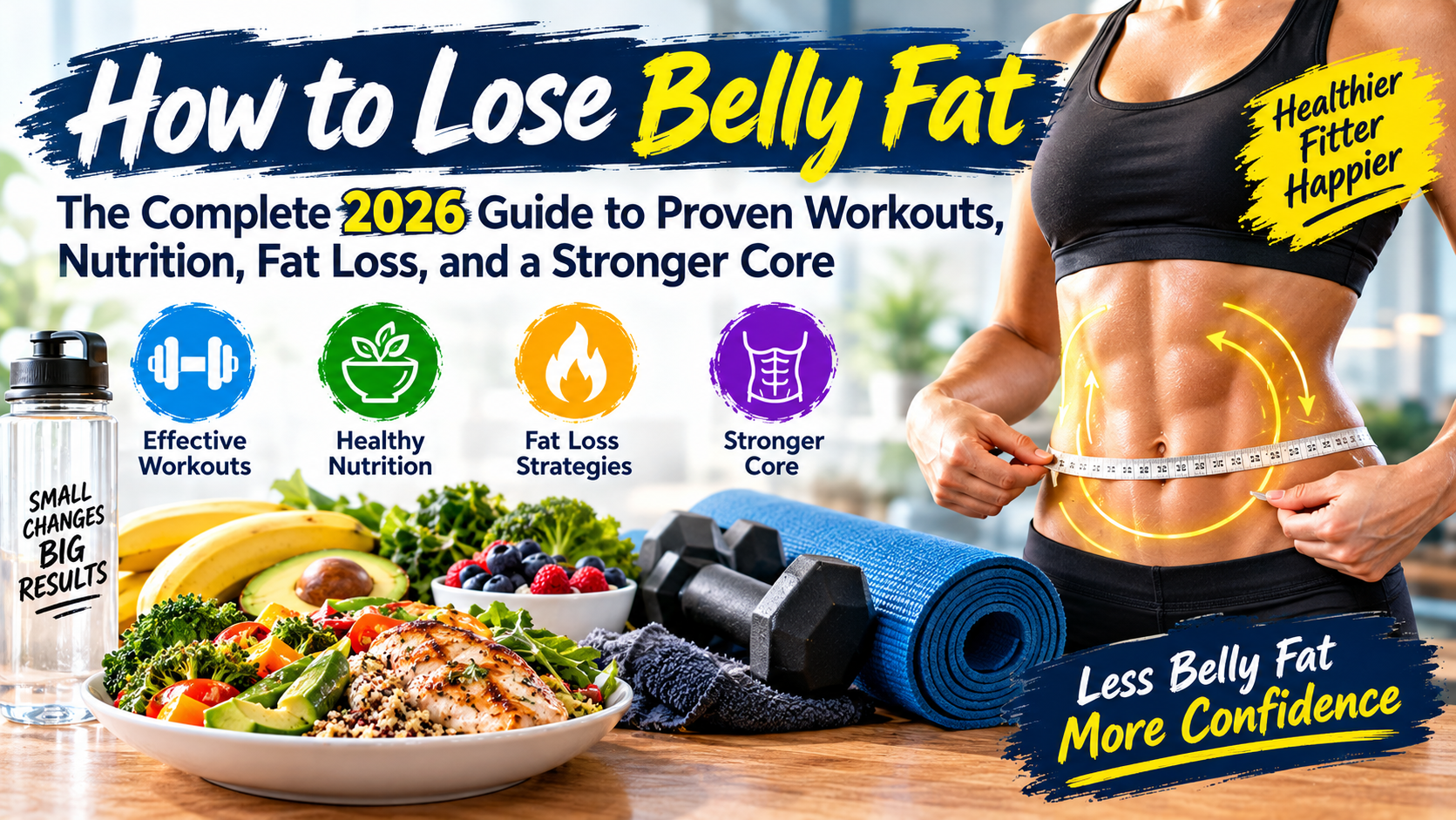

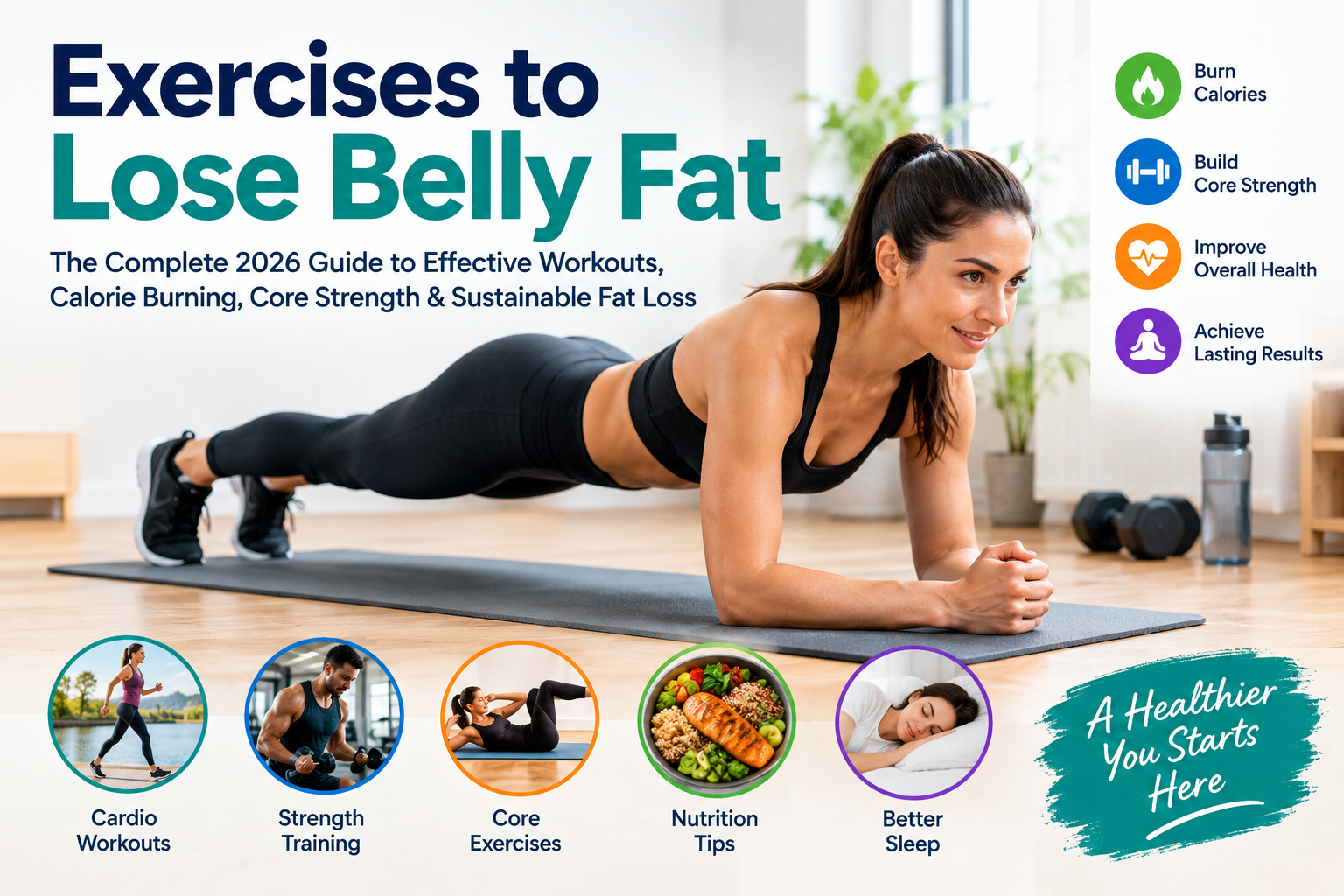
Belly fat is one of the most common fitness concerns, but reducing it requires more than endless crunches or exhausting daily workouts. The most effective approach combines regular physical activity, balanced nutrition, sufficient sleep, and habits you can maintain over time. Understanding how body fat works makes it easier to choose exercises that support lasting results instead of chasing quick fixes.
The best exercises to lose belly fat include brisk walking, running, cycling, strength training, and full-body movements that engage multiple muscle groups. Core exercises such as planks and dead bugs strengthen the abdominal muscles, while aerobic activity and resistance training help increase overall energy expenditure. However, no single exercise can selectively remove fat from your stomach.
This guide explains how to build an effective workout routine, improve abdominal strength, manage calorie intake, and measure progress realistically. Whether you exercise at home or in a gym, the goal is to develop a stronger body and a sustainable fitness routine.
Understanding Belly Fat and How Fat Loss Works
Belly fat generally falls into two categories: subcutaneous fat, which sits beneath the skin, and visceral fat, which surrounds internal organs. Subcutaneous fat contributes to the softness around your waist, while excess visceral fat is associated with a greater risk of conditions such as type 2 diabetes and cardiovascular disease.
Your body stores and uses fat according to several factors, including genetics, hormones, age, diet, activity levels, and overall energy balance. When you consistently consume fewer calories than your body uses, you create a calorie deficit that encourages fat loss. Your body determines where fat comes off first, so visible changes around the stomach may take longer than changes elsewhere.
One important principle is that spot reduction does not work reliably. Abdominal exercises strengthen the muscles underneath belly fat, but they do not specifically burn the fat covering those muscles. A combination of cardiovascular exercise, resistance training, and sensible eating is more effective than focusing exclusively on your midsection.
Best Exercises to Lose Belly Fat


The most useful exercises are those that engage large muscle groups, elevate your heart rate when appropriate, and fit your current fitness level. Walking is an excellent starting point, while running, cycling, swimming, and circuit training can increase cardiovascular demand. Strength exercises complement these activities by developing muscle and supporting long-term physical function.
The best routine is not necessarily the hardest one. Someone who walks briskly for 30 minutes five days a week may achieve more consistent results than someone who attempts intense workouts, becomes exhausted, and stops after a few days. Choose activities you enjoy and gradually increase their duration or difficulty.
| Exercise | Suggested duration or volume | Main benefit |
|---|---|---|
| Brisk walking | 20–40 minutes | Accessible cardiovascular activity |
| Cycling | 20–40 minutes | Aerobic fitness and lower-body endurance |
| Jogging | 15–30 minutes | Higher-intensity cardiovascular training |
| Squats | 2–3 sets of 8–15 reps | Lower-body strength |
| Push-ups | 2–3 sets of 6–15 reps | Upper-body strength |
| Plank | 2–3 holds of 15–45 seconds | Core stability |
| Dead bugs | 2–3 sets of 8–12 per side | Abdominal control |
| Mountain climbers | 2–3 sets of 20–40 seconds | Cardiovascular conditioning and coordination |
These are starting guidelines rather than strict requirements. Adjust repetitions, duration, and rest periods to your ability, and prioritize controlled technique over speed.
Cardiovascular Workouts for Burning Calories
Cardiovascular exercise increases your heart rate and helps your body use energy. Activities such as walking, jogging, swimming, dancing, and cycling can contribute to a calorie deficit while improving heart health, stamina, and blood pressure. You do not need to sprint or exercise until exhaustion to benefit.
Brisk walking is particularly useful for beginners because it requires little equipment and places less impact on the joints than running. Start with 15–20 minutes at a comfortable pace, then gradually increase your duration. If you already walk regularly, add short periods of faster walking or choose a route with gentle hills.
Running and cycling may suit people who want more vigorous training. However, intensity should match your fitness level and medical circumstances. The World Health Organization recommends that adults generally aim for 150–300 minutes of moderate-intensity aerobic activity or 75–150 minutes of vigorous-intensity activity each week, alongside muscle-strengthening activities on at least two days.
Consistency matters more than a single demanding session. Breaking activity into shorter sessions throughout the day can also help people with busy schedules achieve their weekly targets.
Strength Training for Sustainable Fat Loss
Resistance training is an important part of a fat-loss program because it helps preserve and build muscle. Exercises such as squats, lunges, rows, push-ups, and dumbbell presses recruit multiple muscle groups and develop functional strength. Maintaining muscle is especially valuable when losing weight because the goal is to reduce excess fat without unnecessarily sacrificing lean tissue.
A practical strength session can include a squat, a pushing movement, a pulling movement, a hip-hinge exercise, and a core exercise. Beginners can start with body weight or light resistance, gradually increasing the challenge as their technique improves. Allow recovery between demanding sessions rather than training the same muscles intensely every day.
For example, someone working toward a healthier waistline might perform full-body strength training on Monday and Thursday, walk on most other days, and use Saturday for cycling or swimming. This structure balances exercise with recovery and is easier to maintain than performing intense abdominal workouts daily.
Strength training alone may not produce rapid changes on the scale, but it improves physical capacity and supports body composition. Combining it with aerobic exercise and an appropriate eating pattern provides a more complete approach to fat loss.
Abdominal Exercises for a Stronger Core


4
Core exercises strengthen the muscles responsible for stabilizing your trunk, controlling movement, and supporting posture. Useful options include planks, dead bugs, bird dogs, reverse crunches, and bicycle crunches. These movements can improve muscular endurance and control, even though they do not directly remove the fat covering your abdominal muscles.
Planks are a useful starting exercise because they train the abdominal muscles to resist unwanted movement. Keep your body aligned, tighten your abdomen, and breathe normally instead of allowing your lower back to sag. Begin with short holds and increase the duration only while you can maintain proper form.
Dead bugs are another beginner-friendly movement. Lie on your back with your arms raised and knees bent, then slowly extend the opposite arm and leg while keeping your lower back controlled. Return to the starting position and alternate sides. Move slowly rather than rushing through repetitions.
These core exercises work best as part of a broader fitness program. If your waistline is your primary concern, pair abdominal training with walking or another aerobic activity, full-body resistance training, and balanced nutrition.
A Weekly Workout Plan for Belly Fat Reduction
A realistic schedule helps turn exercise into a habit. Rather than training intensely every day, combine aerobic activity, strength sessions, and recovery. Beginners should start with manageable workloads and build gradually, particularly if they have been inactive for several months.
| Day | Workout | Approximate duration |
|---|---|---|
| Monday | Full-body strength and core | 30–40 minutes |
| Tuesday | Brisk walking or cycling | 25–35 minutes |
| Wednesday | Walking and gentle mobility | 20–30 minutes |
| Thursday | Full-body strength and core | 30–40 minutes |
| Friday | Brisk walking or swimming | 25–35 minutes |
| Saturday | Enjoyable aerobic activity | 30–45 minutes |
| Sunday | Rest or easy movement | 10–20 minutes |
This schedule is an example, not a requirement. Reduce the duration if needed, and increase it gradually as your fitness improves. If you are new to exercise, two short strength sessions and regular walking may be enough to establish a foundation.
The purpose of the plan is to create a repeatable routine rather than maximize calorie expenditure in every session. A sustainable schedule supports recovery, reduces the temptation to overtrain, and gives you several ways to stay active when your usual workout is inconvenient.
Nutrition Habits That Support Fat Loss
Exercise is only one part of body-fat management. Your eating pattern influences energy balance, recovery, hunger, and your ability to maintain healthy habits. A modest calorie deficit is generally more sustainable than a highly restrictive diet that leaves you exhausted or constantly hungry.
Build meals around protein sources such as eggs, fish, chicken, beans, lentils, tofu, or plain yogurt. Include vegetables, fruit, whole grains, and appropriate portions of healthy fats. Protein supports muscle repair and can help you feel satisfied, while fiber-rich foods support digestion and fullness.
For example, a balanced meal might contain grilled chicken or lentils, brown rice or whole-wheat bread, and a generous serving of vegetables. You do not need to eliminate carbohydrates to lose fat. Instead, pay attention to portions, food quality, and your overall intake.
Sugary drinks, frequent high-calorie snacks, and oversized portions can make maintaining a calorie deficit more difficult. Replacing some sweetened beverages with water and planning meals ahead can help without requiring extreme restrictions.
A useful principle is: “Build a routine you can repeat, not a diet you can barely tolerate.” Long-term consistency is generally more valuable than short periods of severe restriction.
Common Belly Fat Loss Mistakes and Their Solutions
One common mistake is relying entirely on crunches. Although crunches strengthen the abdominal muscles, they do not selectively burn stomach fat. The solution is to combine core training with aerobic activity, resistance exercise, and a balanced eating pattern.
Another problem is doing too much too soon. Intense daily workouts can cause excessive soreness, interfere with recovery, and increase the risk of injury. Begin at a manageable level, increase training volume gradually, and include rest when your body needs it.
Unrealistic expectations can also undermine progress. Daily changes in body weight often reflect water retention, digestion, sodium intake, and hormonal fluctuations rather than changes in body fat. Measure progress across several weeks instead of judging success by one morning’s weigh-in.
Finally, avoid treating sweat as a measure of fat loss. Sweating primarily helps regulate body temperature, and temporary weight loss from fluid loss returns when you rehydrate. Effective training should be judged by consistency, fitness improvements, strength, and longer-term changes in body measurements.
Sleep, Stress, and Recovery
Sleep and stress management influence the habits that support fat loss. Insufficient sleep can increase hunger, affect appetite regulation, reduce exercise performance, and make high-calorie foods more appealing. Most adults should aim for at least seven hours of sleep each night, with individual needs varying.
Stress can also affect eating patterns and motivation. Some people snack more when stressed, while others skip meals or abandon their exercise routines. Walking outdoors, maintaining regular meal times, practicing slow breathing, and setting realistic workout goals may help create a healthier routine.
Recovery is equally important. Muscles adapt to exercise during the recovery process, so adequate rest, hydration, and sufficient nutrition matter. If you experience persistent pain, unusual shortness of breath, dizziness, or chest discomfort during exercise, stop and seek appropriate medical advice.
How to Track Progress and Maintain Results
The scale can provide useful information, but it should not be your only measure of success. Waist circumference, clothing fit, walking endurance, strength improvements, and workout consistency can all help reveal progress. If weighing yourself causes unnecessary stress, focus on other indicators instead.
Measure your waist under similar conditions each time, using the same location and a relaxed posture. Record your workouts and note changes in duration, resistance, or repetitions. These simple records make improvements easier to identify, especially when visible changes happen slowly.
Patience is essential because fat-loss rates vary with starting weight, genetics, age, activity, diet, and other factors. If progress stalls for several weeks, review your activity levels, food portions, sleep, and consistency before making dramatic changes. A small adjustment is often more manageable than restarting an entirely new program.
The most successful approach is one that remains practical after the initial motivation fades. Walking to nearby destinations, scheduling strength workouts, preparing balanced meals, and protecting sleep can become ordinary parts of daily life.
Frequently Asked Questions
What are the best exercises to lose belly fat at home?
Brisk walking, bodyweight squats, push-ups, planks, dead bugs, and mountain climbers are useful choices for a home-based routine. Combine full-body strength exercises with aerobic activity and core training rather than relying on abdominal exercises alone. You can start with short sessions and gradually increase the duration or difficulty as your fitness improves.
Can I lose belly fat without going to the gym?
Yes. You can improve fitness and support fat loss through walking, jogging, cycling, dancing, bodyweight exercises, and home-based strength routines. A gym is not essential, although equipment can provide additional resistance as you become stronger. Consistency, suitable exercise intensity, and a balanced eating pattern matter more than the location of your workout.
How long does it take to reduce belly fat?
There is no universal timeline because results depend on your starting body composition, calorie intake, activity levels, genetics, sleep, and consistency. Some people notice improvements in fitness and energy within a few weeks, while visible changes in waist circumference may take longer. Track trends over several weeks instead of expecting dramatic results in a few days.
Do crunches and sit-ups burn stomach fat?
Crunches and sit-ups strengthen abdominal muscles, but they do not specifically burn the fat covering them. Fat loss occurs across the body according to individual biology and overall energy balance. Include core exercises in your routine, but combine them with aerobic exercise, resistance training, and nutrition habits that support gradual fat loss.
Is walking enough to help reduce belly fat?
Walking can contribute meaningfully to fat loss when performed regularly and combined with an appropriate eating pattern. It is accessible, relatively low-impact, and easy to incorporate into daily life. Start with a comfortable duration, increase your pace or walking time gradually, and consider adding strength training to help preserve muscle.
Should I exercise every day to lose belly fat?
You do not need intense workouts every day. Regular walking and gentle movement can be performed frequently, while demanding strength sessions should allow adequate recovery. A balanced weekly schedule that includes aerobic exercise, strength training, and rest is often more sustainable than daily high-intensity workouts.
Can I lose belly fat without changing my diet?
Increasing physical activity can help create a calorie deficit, but food intake also plays a major role in body-fat changes. You do not necessarily need a strict diet; improving portion awareness, choosing more nutrient-dense foods, eating sufficient protein, and limiting excess liquid calories may be enough to make your routine more effective.
Conclusion
Reducing abdominal fat requires a consistent, whole-body approach rather than a single miracle exercise. The most effective exercises to lose belly fat include brisk walking, cycling, running, full-body strength training, and core movements that develop abdominal stability. Combined with balanced nutrition, adequate sleep, and realistic recovery, these activities support healthier body composition and improved fitness.
Start with a manageable weekly schedule, choose activities you enjoy, and increase your workload gradually. Track your progress through strength, endurance, waist measurements, and long-term trends rather than expecting immediate changes.
The final takeaway is simple: train your whole body, strengthen your core, nourish yourself well, and stay consistent. Sustainable habits—not extreme workouts or quick fixes—provide the strongest foundation for lasting results.