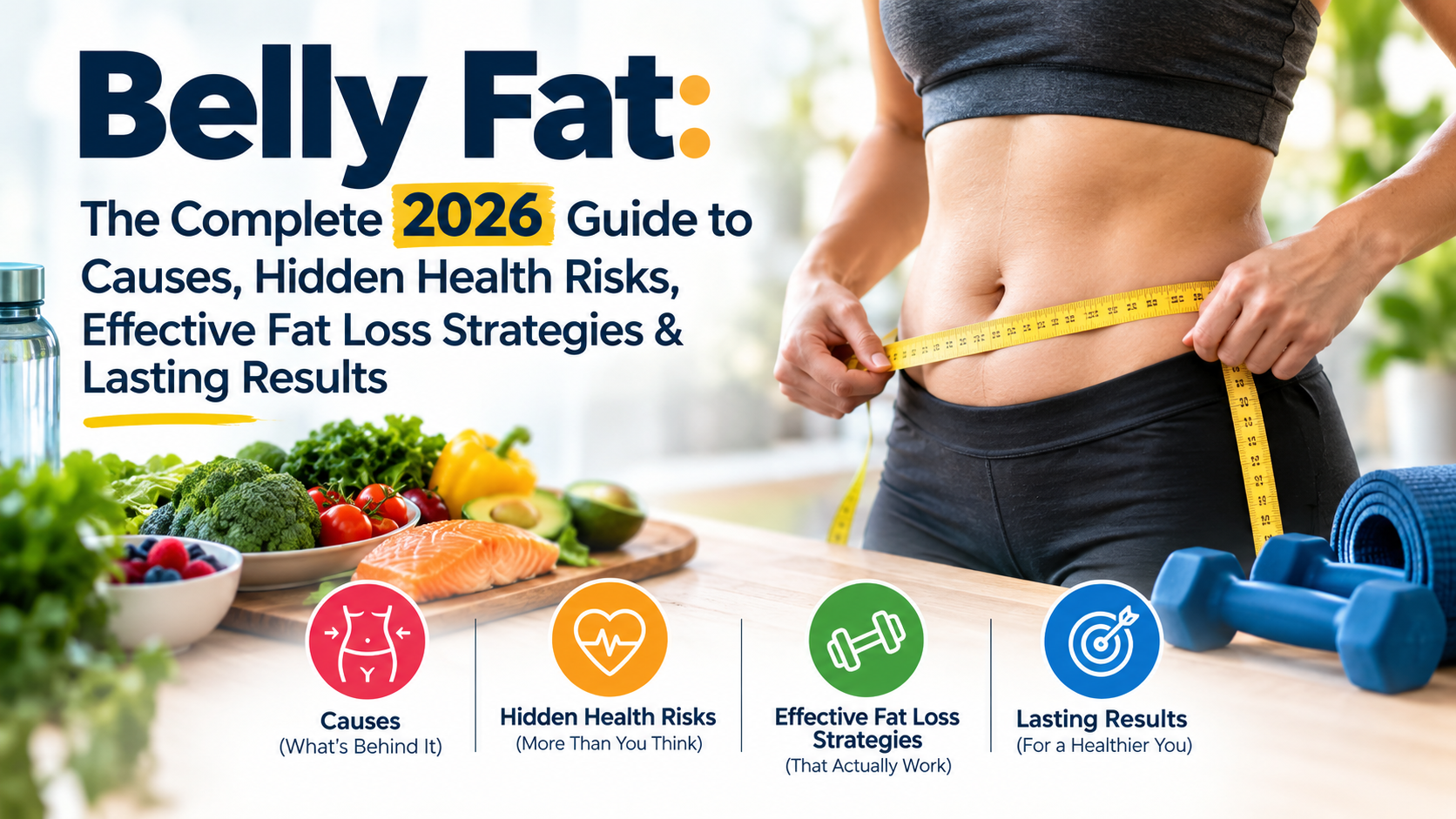
Excess abdominal fat is a common concern for adults who want to improve their appearance, fitness, and long-term health. However, changes around the waist involve more than body shape. The amount and distribution of fat in the abdominal area can also provide important clues about metabolic health, cardiovascular risk, and lifestyle habits.
Understanding belly fat starts with recognizing that not all body fat behaves the same way. Some fat sits directly beneath the skin, while another type accumulates deeper inside the abdomen around internal organs. Genetics, aging, hormones, diet, physical activity, sleep, and stress can all influence how much fat the body stores.
The good news is that sustainable lifestyle changes can improve body composition and reduce health risks. Instead of relying on restrictive diets or quick-fix products, an effective approach combines regular exercise, balanced nutrition, sufficient sleep, and realistic expectations.
What Is Belly Fat and Why Does It Develop?
Abdominal fat refers to fat stored around the stomach and waist. It includes subcutaneous fat, which lies beneath the skin, and visceral fat, which accumulates around organs such as the liver and intestines. Subcutaneous fat is the softer layer you can often pinch, whereas visceral fat is located deeper within the abdominal cavity.
Both types serve biological functions, including energy storage and insulation. However, excessive visceral fat is particularly concerning because it is associated with insulin resistance, inflammation, abnormal blood lipid levels, and a greater risk of cardiovascular disease and type 2 diabetes.
Fat accumulation occurs when several factors influence the balance between energy intake and energy expenditure over time. Eating more calories than the body uses can contribute to weight gain, but the process is also shaped by hormones, genetics, medications, age, and sleep quality. Two people with similar body weights may store fat differently because their bodies respond differently to these influences.
Common Causes of Excess Abdominal Fat
Dietary habits can significantly affect waist size. Frequent consumption of energy-dense foods, sugary beverages, large portions, and highly processed snacks may make it easier to consume more calories than the body needs. These foods are not automatically harmful in every situation, but regularly relying on them can displace fiber-rich vegetables, fruits, whole grains, and protein sources that support fullness.
Physical inactivity is another important contributor. Spending long periods sitting reduces daily energy expenditure, particularly when combined with limited structured exercise. Someone who works at a desk, drives everywhere, and rarely walks may use substantially less energy throughout the day than someone with a more active routine.
Hormonal changes and aging can also influence fat distribution. During menopause, for example, declining estrogen levels may encourage a shift toward abdominal fat storage. In men, changes in testosterone levels and muscle mass may affect body composition. Genetics also influences where fat accumulates, meaning that not everyone develops the same waistline even with similar habits.
Stress and inadequate sleep can make healthy routines more difficult to maintain. Poor sleep may affect appetite-regulating hormones and increase cravings, while chronic stress can encourage emotional eating or reduce motivation to exercise. Addressing these contributing factors often makes long-term weight management more achievable.
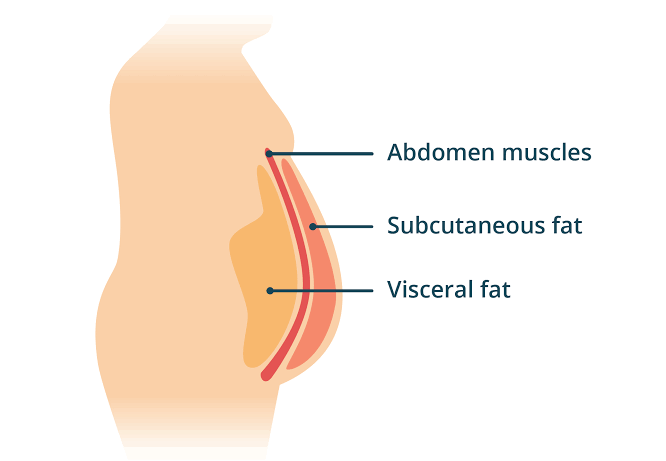
Subcutaneous Fat vs. Visceral Fat
Understanding the difference between the two main types of abdominal fat helps explain why waist measurements matter even when body weight appears normal.
| Feature | Subcutaneous fat | Visceral fat |
|---|---|---|
| Location | Beneath the skin | Deep inside the abdomen |
| Visibility | Often visible and pinchable | Not directly visible |
| Main function | Energy storage and insulation | Energy storage around organs |
| Health significance | Depends on amount and overall health | Excess is strongly associated with metabolic disease |
| Measurement | Can be estimated through body composition methods | May be assessed with imaging when clinically indicated |
Subcutaneous fat is not inherently unhealthy, and having some is normal. The health concern increases when overall fat accumulation becomes excessive or other metabolic risk factors are present. Visceral fat, however, is more metabolically active and can release substances that influence inflammation and insulin sensitivity.
Appearance alone cannot reliably determine how much visceral fat someone carries. A firm or protruding abdomen does not automatically indicate a dangerous amount, and a relatively flat stomach does not guarantee good metabolic health. Waist circumference, blood pressure, blood glucose, and cholesterol measurements can provide a more informative overall picture.
Health Risks Associated With Excess Abdominal Fat
Excess visceral fat is associated with several chronic health conditions. These include type 2 diabetes, high blood pressure, cardiovascular disease, fatty liver disease, and metabolic syndrome. These associations reflect the way fat stored around internal organs can affect hormone signaling, inflammation, and the body’s response to insulin.
Insulin helps move glucose from the bloodstream into cells. When tissues become less responsive to insulin, the pancreas may need to produce more of it to maintain normal blood glucose levels. Over time, this process can contribute to elevated blood sugar and an increased risk of diabetes.
Abdominal fat is also linked to changes in blood lipids, including higher triglycerides and lower levels of HDL cholesterol in some people. Combined with high blood pressure and elevated glucose, these changes can increase cardiovascular risk.
These risks are not inevitable, and waist size is only one part of the assessment. Family history, smoking, dietary patterns, physical activity, and existing medical conditions also matter. A healthcare professional can help assess individual risk and recommend appropriate screening rather than relying on appearance alone.
Effective Ways to Reduce Abdominal Fat
Reducing excess abdominal fat generally requires gradual changes that improve overall body composition. There is no exercise, supplement, or food that reliably removes fat exclusively from the stomach. Instead, the most effective approach combines a sustainable calorie deficit with physical activity and habits that support recovery.
Aerobic exercise, including brisk walking, cycling, swimming, and jogging, increases energy expenditure and improves cardiovascular fitness. The World Health Organization recommends that adults generally aim for 150–300 minutes of moderate-intensity aerobic activity per week, or 75–150 minutes of vigorous-intensity activity, alongside muscle-strengthening exercise on at least two days each week.
Resistance training is equally valuable because it helps preserve muscle during weight loss and improves strength. Squats, lunges, push-ups, rows, and other compound movements train multiple muscle groups. Combining these workouts with regular walking often provides a manageable starting point for people who are new to exercise.
Consistency matters more than occasional extreme effort. A person who walks for 30 minutes on most days, strength-trains twice a week, and gradually improves their eating habits may build a more sustainable routine than someone who follows an exhausting workout program for only a short period.
Nutrition Habits That Support a Healthier Waistline
A balanced eating pattern supports fat loss by making it easier to manage calorie intake while obtaining essential nutrients. Prioritize vegetables, fruit, whole grains, legumes, lean proteins, and appropriate portions of unsaturated fats. These foods provide fiber, protein, vitamins, and minerals that support general health and can help meals feel more satisfying.
Protein sources such as eggs, fish, chicken, tofu, beans, lentils, and yogurt help maintain muscle during weight loss. Fiber-rich foods such as oats, beans, vegetables, and whole fruit can improve fullness and digestive health. You do not need to eliminate carbohydrates or avoid every favorite food to make progress.
Sugary drinks deserve particular attention because they can contribute substantial calories without producing the same fullness as many solid foods. Replacing some sweetened beverages with water or unsweetened alternatives may help reduce overall calorie intake. Similarly, planning meals and paying attention to portion sizes can reduce unintentional overeating.
A practical principle is to make the healthier choice easier to repeat. Preparing simple meals ahead of time, keeping nutritious snacks available, and eating at regular times can help turn good intentions into everyday habits.
Sleep, Stress, and Hormonal Influences
Sleep is an often-overlooked part of weight management. Adults generally benefit from at least seven hours of sleep per night, although individual needs vary. Insufficient sleep can affect appetite, food preferences, energy levels, and exercise performance, making a balanced routine harder to maintain.
Establishing a consistent bedtime, limiting late-night caffeine, keeping the bedroom comfortable, and reducing stimulating activities before bed may improve sleep quality. People who snore heavily, experience pauses in breathing during sleep, or remain unusually tired despite sufficient time in bed should discuss possible sleep disorders with a healthcare professional.
Stress can also affect eating and activity patterns. Some people respond to stress by eating more, particularly foods that are high in sugar or fat, while others become less active or sleep poorly. Short walks, relaxation exercises, social support, and realistic scheduling can help reduce these pressures.
Hormonal conditions can sometimes contribute to unexpected changes in weight or fat distribution. If abdominal weight gain occurs alongside symptoms such as persistent fatigue, menstrual changes, or unusual weakness, medical evaluation may be appropriate. Avoid assuming that every change is caused by poor discipline or lifestyle alone.
Common Myths About Abdominal Fat Loss
One persistent myth is that hundreds of crunches will remove fat from the stomach. Crunches strengthen abdominal muscles, but they do not selectively burn the fat covering them. Planks, dead bugs, and other core exercises are valuable for stability and muscular endurance, yet they should complement full-body training rather than replace it.
Another misconception is that sweating heavily means more fat has been lost. Sweating primarily regulates body temperature. A lower scale reading immediately after a workout usually reflects fluid loss, which returns when the body is rehydrated. Effective fat loss is a longer-term process rather than a temporary change in water weight.
Detox teas, waist trainers, and fat-burning supplements are also frequently marketed as shortcuts. They cannot reliably target visceral fat, and some products can cause dehydration, digestive problems, or harmful side effects. A waist trainer may temporarily change appearance through compression, but it does not permanently remove abdominal fat.
The more dependable strategy is to focus on measurable habits. As one practical rule of thumb: “Measure progress by the habits you can sustain, not the shortcuts that promise overnight results.” Regular exercise, balanced meals, adequate sleep, and gradual adjustments offer a stronger foundation for lasting improvement.
How to Measure Progress and Maintain Results
Body weight alone does not provide a complete picture of health. Waist circumference can offer additional information about abdominal fat distribution, while changes in strength, endurance, energy, and clothing fit can help indicate progress.
To measure your waist consistently, stand upright, place a measuring tape around your abdomen midway between the lowest rib and the top of the hip bone, and measure after breathing out normally. Keep the tape level and avoid pulling it tightly into the skin. Use the same method each time so measurements are comparable.
Waist-risk thresholds vary by sex, ethnicity, and clinical guideline. As a general screening reference, the US National Heart, Lung, and Blood Institute identifies increased health risk at waist circumferences above 40 inches (102 cm) for men and 35 inches (88 cm) for women. These thresholds are not universal, and some populations may experience increased metabolic risk at lower measurements.
For lasting results, avoid treating short-term fluctuations as failure. Changes in hydration, digestion, and hormonal cycles can affect weight and waist measurements. Review trends over several weeks, celebrate improvements in fitness, and make small adjustments when necessary.
Frequently Asked Questions
Can you lose abdominal fat without losing weight?
It is possible to improve body composition without a large change on the scale. Resistance training can help build or preserve muscle while body fat decreases, which may improve waist measurements even when weight changes only slightly. However, the extent of this effect varies, and meaningful fat loss often involves at least some change in body weight.
What is the fastest healthy way to reduce belly fat?
The most effective sustainable approach combines a moderate calorie deficit, regular aerobic activity, strength training, adequate sleep, and consistent eating habits. Rapid weight-loss methods often rely on severe restriction or fluid loss and may be difficult to maintain. Gradual progress is generally safer and more likely to support long-term results.
Do certain foods specifically burn belly fat?
No single food reliably burns fat from a specific body area. Protein-rich foods and fiber-rich vegetables, fruits, legumes, and whole grains can support fullness and make calorie management easier. Green tea, spices, and other commonly promoted foods should not be treated as substitutes for a balanced diet and regular physical activity.
Does walking help reduce belly fat?
Walking increases energy expenditure, improves cardiovascular health, and can contribute to a calorie deficit. Regular brisk walking is a practical option for beginners and people who prefer low-impact exercise. Pairing walking with resistance training and balanced nutrition can further support overall fat loss and muscle preservation.
Why does abdominal fat increase with age?
Aging can be associated with reduced muscle mass, lower daily activity, hormonal changes, and shifts in fat distribution. These changes can make weight management more challenging, although they do not make fat gain inevitable. Strength training, regular movement, balanced nutrition, and adequate sleep can help support a healthier body composition.
Is visceral fat more dangerous than subcutaneous fat?
Excess visceral fat is generally more strongly associated with metabolic problems because it is linked to inflammation, insulin resistance, and increased cardiometabolic risk. Subcutaneous fat is also relevant to overall health, particularly when total body fat is high. Neither type can be accurately assessed through appearance alone.
Can stress cause abdominal weight gain?
Chronic stress can contribute indirectly to weight gain by affecting appetite, sleep, food choices, and physical activity. Stress-related hormonal changes may also influence fat storage, but the effects differ among individuals. Managing stress alongside nutrition and exercise can make healthy weight management easier.
Conclusion
Understanding belly fat means looking beyond appearance and recognizing the relationship between abdominal fat, metabolic health, and everyday habits. Although genetics, age, and hormones influence fat distribution, regular physical activity, balanced nutrition, sufficient sleep, and consistent routines can help improve body composition and reduce health risks.
Start with manageable changes, such as walking regularly, eating more fiber-rich foods, adding strength training, and improving sleep. Track waist measurements and other indicators over time rather than expecting immediate results, and seek professional guidance when weight changes or related symptoms are unexplained.
The most important takeaway is that lasting progress comes from improving overall health, not chasing a perfectly flat stomach. Sustainable habits provide a more reliable path toward a healthier waistline, stronger body, and better long-term well-being.