A simple rope, a little space, and a few minutes of movement can create a surprisingly challenging workout. Whether you want to improve cardiovascular fitness, build coordination, support weight management, or add variety to your exercise routine, jumping rope is an accessible activity with plenty of training potential.
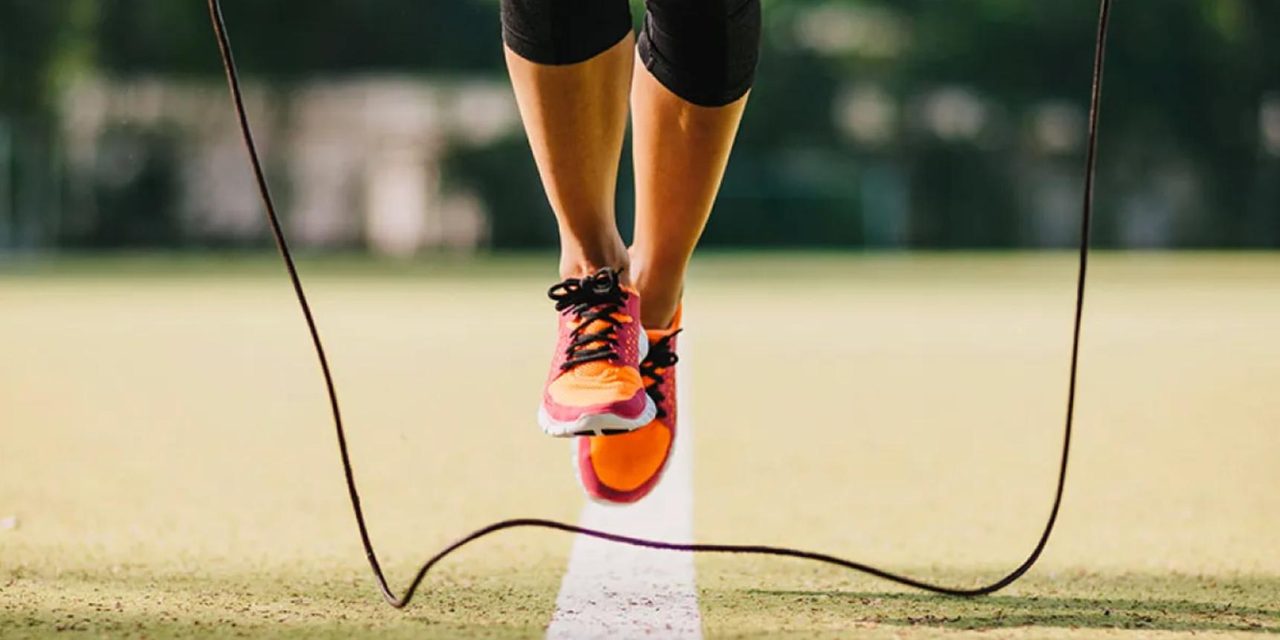
Skipping involves repeatedly jumping over a rope as it passes beneath your feet. Although the movement looks simple, it engages several muscle groups while challenging your heart, lungs, balance, timing, and coordination. It can be performed at home, outdoors, or in a gym, making it a practical option for people who want an efficient cardiovascular workout without bulky equipment.

What Is Skipping and How Does It Work?
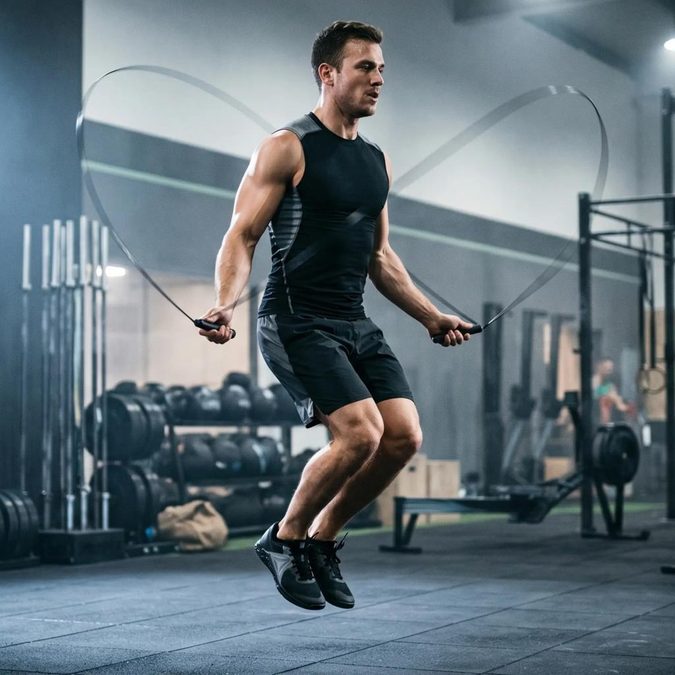
Skipping is a rhythmic cardiovascular exercise in which you swing a rope over your head and jump as it passes beneath your feet. The movement requires coordination between your wrists, arms, legs, and core. With practice, you develop a consistent rhythm that allows you to continue for longer periods without unnecessary effort.
The exercise mainly involves the calf muscles, quadriceps, hamstrings, glutes, shoulders, forearms, and core stabilisers. Your calves and ankles help produce repeated take-offs and controlled landings, while your shoulders and wrists guide the rope. Your abdominal muscles contribute to posture and stability throughout the movement.
Because it involves continuous movement, jumping rope can increase heart rate relatively quickly. The intensity depends on your speed, technique, body weight, fitness level, and workout duration. Beginners may start with short intervals, while experienced athletes can use faster footwork and more demanding combinations.
Health and Fitness Benefits of Skipping

One of the main benefits of jump rope training is improved cardiovascular fitness. Regular aerobic activity challenges the heart and lungs to deliver oxygen to working muscles. Over time, a consistent exercise routine can improve endurance and make everyday activities such as climbing stairs or walking briskly feel easier.
It can also support weight management. Jumping rope uses energy, and combining regular exercise with a balanced eating pattern may help create the calorie deficit needed for weight loss. However, calorie expenditure varies significantly between individuals, so no single workout guarantees a specific result.
Other potential benefits include:
- Better coordination: Repeated timing between rope movement and footwork develops rhythm and body awareness.
- Improved agility: Changes in pace and foot position challenge balance and quick movement.
- Stronger lower legs: The calves and surrounding muscles work repeatedly during take-off and landing.
- Muscular endurance: Continuous movement challenges the muscles to maintain performance over time.
- Convenience: A rope is inexpensive, portable, and requires relatively little storage space.
These benefits are most likely when training is consistent and appropriate for your current fitness level.
Muscles Worked During Jump Rope Training

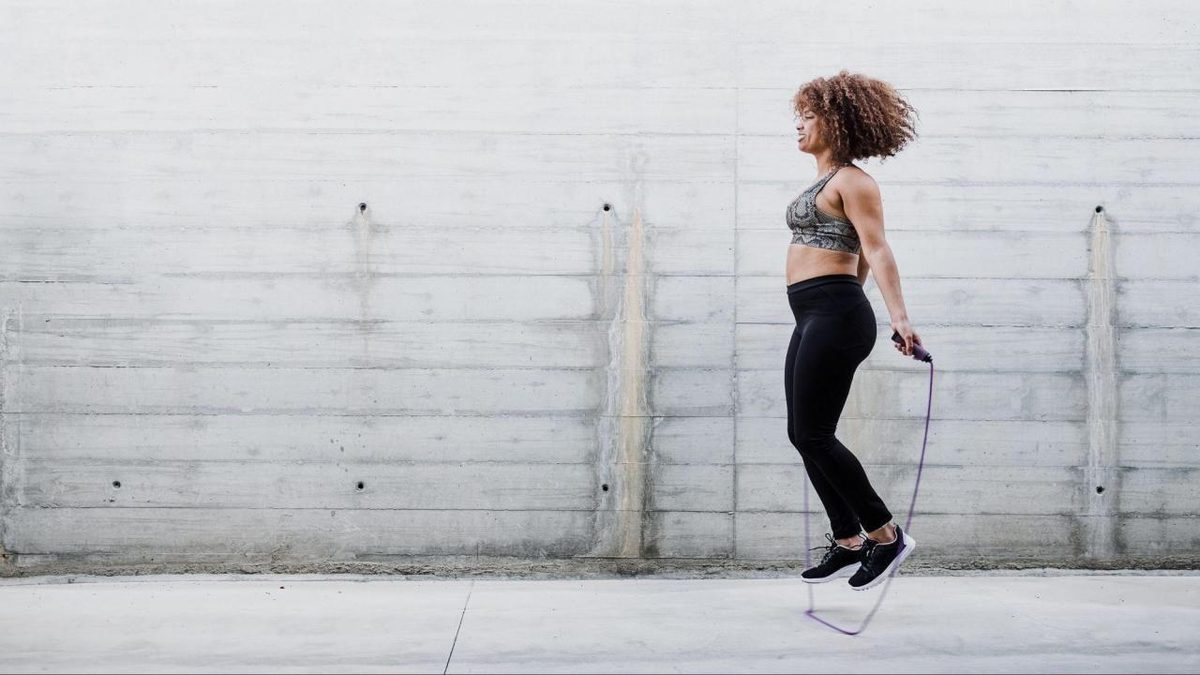

Although it is often considered a leg-focused exercise, jumping rope involves the entire body. The lower-body muscles generate and absorb force, the upper body controls the rope, and the core helps maintain a stable posture.
The gastrocnemius and soleus muscles in the calves are especially active because they contribute to repeated ankle movement. The quadriceps and glutes assist with lower-body control, while the hamstrings contribute to leg stability. Meanwhile, the shoulders, forearms, and wrists help rotate the rope, ideally using small, efficient movements rather than large arm circles.
| Muscle group | Main role during the exercise |
|---|---|
| Calves | Help produce repeated ankle movements and take-offs |
| Quadriceps | Assist with knee control during jumping and landing |
| Glutes | Support hip stability and lower-body control |
| Hamstrings | Contribute to leg coordination and stability |
| Shoulders and forearms | Help control the rope |
| Core muscles | Maintain posture and balance |
The muscles are not necessarily trained in the same way as they would be during heavy resistance exercises. Rope training is primarily a cardiovascular and coordination activity, so it should complement rather than replace strength training.
How to Perform Skipping With Proper Technique
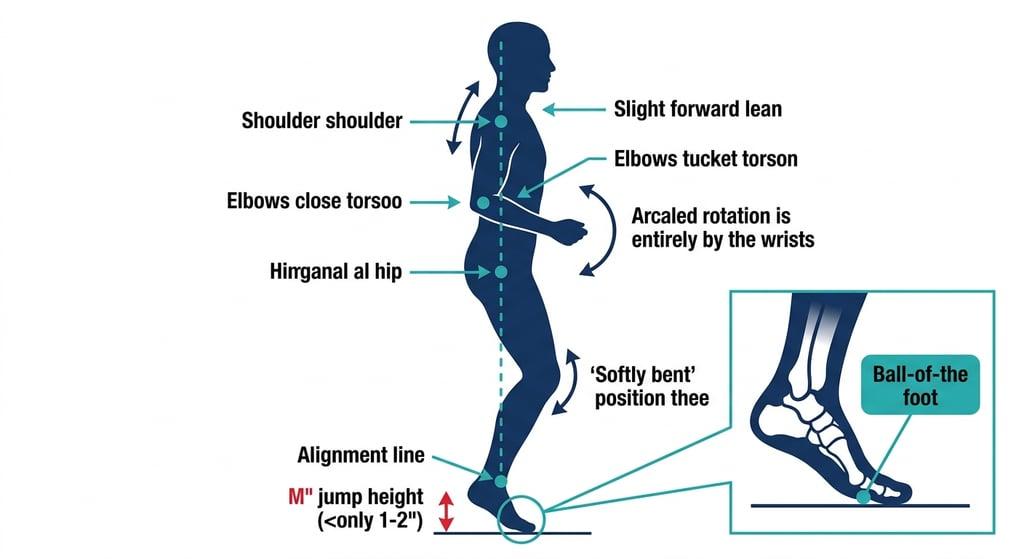
Good technique makes rope training smoother and helps reduce unnecessary impact. Start by choosing a rope that suits your height. When standing on the middle of the rope with one foot, the handles should generally reach around your armpits as a beginner-friendly starting point. Adjustable ropes make it easier to fine-tune the length.
Hold the handles lightly, keep your elbows close to your sides, and rotate the rope mainly through your wrists. Stand upright with a relaxed upper body, bend your knees slightly, and jump only high enough for the rope to pass beneath your feet. Land softly on the balls of your feet, allowing your ankles and knees to absorb the impact.
Avoid jumping excessively high or swinging your entire arms. These habits can waste energy and make it harder to maintain rhythm. If you repeatedly catch the rope, slow down and practise the wrist rotation without jumping before returning to the full movement.
Different Types of Jump Rope Exercises
Different rope techniques create different challenges. Beginners should master the basic bounce before attempting faster or more complicated footwork. Once your timing becomes consistent, you can introduce variations to make workouts more engaging.



Basic bounce: Jump with both feet together as the rope passes underneath. Keep the movement small and rhythmic. This is an effective starting point for learning timing.
Alternate-foot step: Shift your weight between feet, almost like jogging in place. This variation develops rhythm and allows you to change the movement pattern without significantly increasing jump height.
Boxer step: Transfer your weight gently from one foot to the other while keeping the opposite foot lightly lifted. Boxers often use this technique to maintain movement while conserving energy.
High-knee skipping: Lift your knees higher as the rope passes beneath your feet. This increases the cardiovascular challenge and requires more coordination, so it is better suited to people who already have reliable basic technique.
Side-to-side jumps: Move your feet slightly from one side to the other with each repetition. Keep the movement controlled and avoid making the jumps wider than your ability allows.
Beginner Skipping Workout Plan
A beginner workout should focus on learning technique and building tolerance to repeated impact. Starting with long, uninterrupted sessions can lead to excessive fatigue, poor form, and unnecessary soreness. Short intervals with recovery breaks make it easier to maintain control.
Begin with a few minutes of light walking or marching, followed by gentle ankle and calf movements. Then alternate short rope intervals with rest periods. As your fitness improves, gradually increase the time spent jumping rather than immediately increasing speed.
| Fitness level | Jumping interval | Rest interval | Total rounds |
|---|---|---|---|
| Beginner | 20 seconds | 40 seconds | 5–6 |
| Intermediate | 30 seconds | 30 seconds | 8–10 |
| Advanced | 45 seconds | 15 seconds | 10–12 |
These are sample formats, not mandatory targets. Beginners may need longer rest periods or fewer rounds, while experienced exercisers can adjust the workload according to their goals. Stop if you experience pain, dizziness, or unusual shortness of breath.
Can Skipping Help With Weight Loss?
Jump rope workouts can contribute to weight loss because they increase energy expenditure. However, losing body fat requires a sustainable calorie deficit over time, meaning you consistently use more energy than you consume. Exercise can help create that deficit, but nutrition, sleep, and daily activity also matter.
The number of calories burned depends on factors such as body weight, exercise intensity, duration, and individual metabolism. A heavier person may use more energy performing the same activity than a lighter person, while a faster session generally creates a greater cardiovascular demand than a relaxed one.
For better results, combine rope workouts with resistance training and a balanced diet containing adequate protein, vegetables, fruits, whole grains, and healthy fats. This approach supports muscle retention while improving cardiovascular fitness. Avoid relying on exercise alone or treating calorie estimates from fitness devices as exact measurements.
Common Mistakes and How to Avoid Them
One common mistake is jumping too high. Large jumps increase impact and can make the workout unnecessarily tiring. Keep your feet close to the ground and focus on consistent timing. Another mistake is using excessive arm movement, which can fatigue your shoulders before your cardiovascular system receives an effective challenge.
Training on unsuitable surfaces can also make the activity less comfortable. Very hard concrete may increase impact, while slippery or uneven ground creates a greater risk of losing balance. Choose a flat, non-slip surface and wear supportive athletic shoes that fit properly.
Perhaps the biggest beginner mistake is doing too much too soon. Your calves, ankles, and Achilles tendons need time to adapt to repeated jumping. Build duration gradually, include recovery days, and use other low-impact activities such as cycling or walking when needed.
Safety Tips and Who Should Be Careful
Rope training is a high-impact activity, so it may not suit everyone. People with current foot, ankle, knee, or Achilles tendon problems should consider professional advice before starting. Individuals with balance difficulties or certain medical conditions may also need a modified exercise plan.
Warm up before training and stop if you experience sharp pain, swelling, or worsening discomfort. Persistent symptoms should be assessed by a qualified healthcare professional rather than pushed through. If you are returning after a long period of inactivity, begin with low-impact cardio and short rope intervals as your fitness and movement tolerance improve.
Use a suitable rope length, clear the surrounding area, and avoid training when you are excessively fatigued. Good technique and gradual progression are more valuable than completing a high number of jumps.
Frequently Asked Questions
Is skipping good for overall fitness?
Yes, it can improve cardiovascular endurance, coordination, agility, and lower-body muscular endurance. It is particularly useful as part of a balanced fitness routine that also includes resistance training, mobility work, and recovery.
How long should beginners skip rope?
Beginners can start with short intervals of around 20 seconds followed by 40 seconds of rest. Five or six rounds may be sufficient for an introductory session. Adjust the duration according to your technique, fitness, and recovery.
Can skipping reduce belly fat?
It can support overall fat loss by increasing energy expenditure, but it cannot selectively burn fat around the stomach. A consistent calorie deficit, balanced nutrition, regular exercise, and adequate sleep are important for reducing overall body fat.
Does skipping build calf muscles?
It strengthens the calves through repeated ankle movement and can improve muscular endurance. However, significant calf muscle growth generally requires progressive resistance training, such as standing and seated calf raises, alongside adequate nutrition and recovery.
Is skipping better than running?
Neither activity is universally better. Both can improve cardiovascular fitness, but they differ in technique, impact, coordination demands, and personal suitability. The best choice depends on your goals, fitness level, joint comfort, and preference.
Can I skip rope every day?
Some experienced people tolerate frequent rope training, but beginners should allow time for their muscles and tendons to adapt. Start with a few sessions per week and increase frequency gradually. Recovery is especially important if you also perform running, jumping, or lower-body strength workouts.
What surface is best for jump rope workouts?
A flat, stable, non-slip surface is ideal. A gym floor, suitable exercise mat, or smooth outdoor surface can work well. Avoid slippery, uneven, or excessively hard surfaces when possible, and wear appropriate athletic footwear.
Conclusion
Skipping is a practical and effective way to improve cardiovascular fitness, coordination, agility, and lower-body endurance. It requires little equipment, fits into different training schedules, and can be adapted to beginners as well as experienced athletes.
Start with the basic bounce, focus on wrist control and soft landings, and increase workout duration gradually. Combine rope training with strength exercises, balanced nutrition, and sufficient recovery to develop a more complete fitness routine.
The biggest takeaway is that you do not need complicated equipment or lengthy workouts to build a useful exercise habit. A simple rope and consistent, well-planned training can help you become fitter, more coordinated, and more confident in your movement.