Face pulls are a valuable upper-body exercise for developing the rear shoulders, strengthening the upper back, and supporting healthy shoulder movement. Often included in bodybuilding, strength training, and physical fitness programmes, this cable-based movement targets muscles that can receive less attention than the chest and front shoulders during conventional workouts.
Whether you want more balanced shoulder development, improved upper-body posture, or better control during pressing exercises, learning the correct technique can make a meaningful difference. The exercise is relatively simple, but small adjustments to cable height, elbow position, grip, and movement control determine which muscles do most of the work.
What Are Face Pulls?
Face pulls are an upper-body pulling exercise performed by drawing a rope attachment towards the face using a cable machine. The movement primarily works the rear deltoids, trapezius, rhomboids, and external rotator muscles of the shoulder. Unlike conventional rows, the pulling direction and elbow position place greater emphasis on the back of the shoulders and upper back.
The exercise is commonly performed with a rope attachment connected to a cable pulley set around upper-chest or face height. As you pull, your hands move towards either side of your face while your elbows travel outward. This creates a combination of shoulder horizontal abduction and external rotation, helping develop muscles involved in controlling shoulder movement.
Because the movement uses relatively small muscle groups, heavy resistance is not necessary. Controlled repetitions and consistent technique are generally more useful than attempting to lift the maximum possible weight.
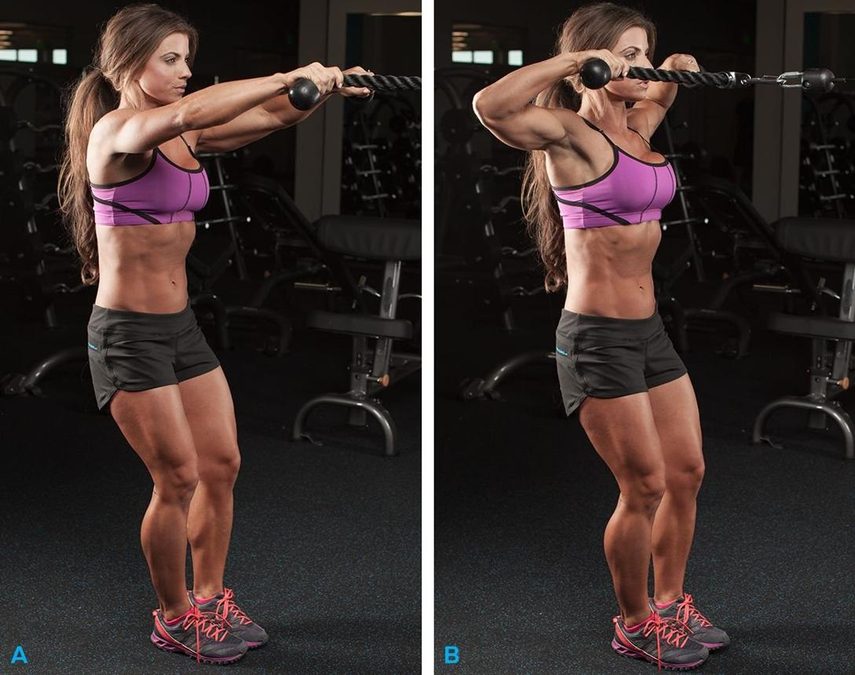


Muscles Worked During Face Pulls
The main muscles involved are located around the rear shoulders, shoulder blades, and upper back. Understanding their roles helps explain why this movement is useful for balanced upper-body training.
The rear deltoids, located at the back of the shoulders, are among the primary muscles responsible for moving the upper arms outward and backwards. Developing them can improve shoulder appearance and create a more balanced look alongside the front and side deltoids.
The trapezius and rhomboids help control the shoulder blades during the pulling motion. The middle trapezius and rhomboids contribute to scapular retraction, while the lower trapezius assists with scapular positioning. The infraspinatus and teres minor, which are part of the rotator cuff, contribute to external rotation of the shoulder.
| Muscle | Main role during the movement |
|---|---|
| Rear deltoids | Move the upper arms backwards and outward |
| Middle trapezius | Supports shoulder-blade retraction |
| Lower trapezius | Helps control shoulder-blade positioning |
| Rhomboids | Draw the shoulder blades together |
| Infraspinatus | Supports external shoulder rotation |
| Teres minor | Assists external rotation and shoulder stability |
| Biceps | Helps bend the elbows during the pull |
The exact muscle emphasis depends on technique. For example, pulling with elbows high and hands separating towards the sides of the face generally increases the emphasis on the rear shoulders and upper back. Excessive shrugging, however, can cause the upper trapezius to dominate the movement.
Benefits of Face Pulls
One of the biggest advantages of this exercise is balanced shoulder development. Many gym routines include pressing movements such as bench presses, overhead presses, and push-ups. These exercises train the chest, triceps, and front deltoids extensively, while the rear deltoids may receive less direct attention. Adding a controlled pulling movement helps address that imbalance.
Another important benefit is improved shoulder muscle coordination. The rear deltoids, rotator cuff, and scapular muscles work together to control arm movement and maintain shoulder positioning. Strengthening these muscles can support better movement mechanics during exercises such as rows, pull-ups, and overhead presses.
The exercise can also contribute to upper-back strength and postural awareness. People who spend long periods sitting at desks may benefit from strengthening the muscles that help control their shoulder blades. However, no single exercise can correct posture or eliminate discomfort by itself. Regular movement, appropriate strength training, and ergonomic adjustments also matter.
Additional benefits include:
- Rear shoulder development: Helps build fuller, more balanced shoulders.
- Upper-back strength: Trains muscles involved in controlling the shoulder blades.
- Rotator cuff involvement: Encourages controlled external rotation.
- Exercise variety: Adds a different pulling angle to conventional back workouts.
- Muscular endurance: Lightweight sets can improve the ability to perform controlled repetitions.
How to Perform Face Pulls With Proper Form
Correct technique is essential for getting the intended benefits while avoiding unnecessary shoulder strain. Start by attaching a rope handle to a cable pulley positioned around upper-chest or face height. Select a manageable weight that allows you to control the entire movement.
Stand facing the machine with your feet approximately shoulder-width apart. Hold one end of the rope in each hand using a neutral grip, with your palms facing each other. Step backwards until the cable becomes taut, then brace your core and maintain a stable torso.

Pull the rope towards your face, aiming for the area around your forehead or upper nose. As your hands approach your face, separate them so that each hand travels towards the corresponding side of your head. Keep your elbows raised and allow your shoulders to rotate naturally without forcing the movement.
Pause briefly at the end of the repetition, focusing on the rear shoulders and upper back. Slowly extend your arms to return to the starting position. Avoid allowing the weight stack to pull your arms forward suddenly.
A useful technique reminder: Think about pulling the rope apart as it approaches your face rather than simply pulling it towards your chest. This encourages the shoulder movement that makes the exercise different from an ordinary cable row.
Common Face Pull Mistakes to Avoid
Using excessive weight is one of the most common mistakes. When the resistance is too heavy, people often lean backwards, jerk the rope, or compensate by shrugging their shoulders. These adjustments reduce movement control and can shift the workload away from the intended muscles.
Another mistake is allowing the elbows to drop too low. When the elbows remain close to the torso, the movement starts resembling a conventional row. This may still train the upper back, but it changes the exercise’s emphasis. Keep the elbows comfortably elevated without forcing them into an uncomfortable position.
Other mistakes include:
- Pulling only with the hands: Focus on controlled upper-arm movement rather than simply bending the elbows.
- Using momentum: Maintain a stable torso throughout every repetition.
- Moving too quickly: Use a controlled return instead of letting the cable pull you forward.
- Shrugging excessively: Keep the shoulders away from the ears where comfortable.
- Overextending the wrists: Maintain a natural wrist position throughout the movement.
- Forcing external rotation: Rotate only as far as your shoulder mobility comfortably allows.
If you experience sharp pain, pinching, or persistent discomfort, stop the exercise and reassess your technique. Persistent symptoms should be evaluated by an appropriate healthcare professional.
Best Face Pull Variations for Different Training Goals
Different variations can change the movement’s resistance profile, stability requirements, and muscular emphasis. The standard rope version is a practical starting point, but other approaches can add variety to an upper-body programme.

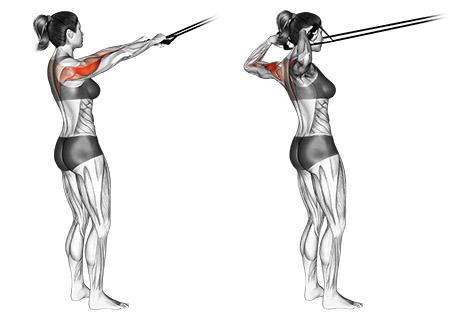
Standing cable variation: This is the traditional version performed with a rope attachment. It offers adjustable resistance and allows natural movement through the shoulders and elbows. It works well for general strength and muscle development.
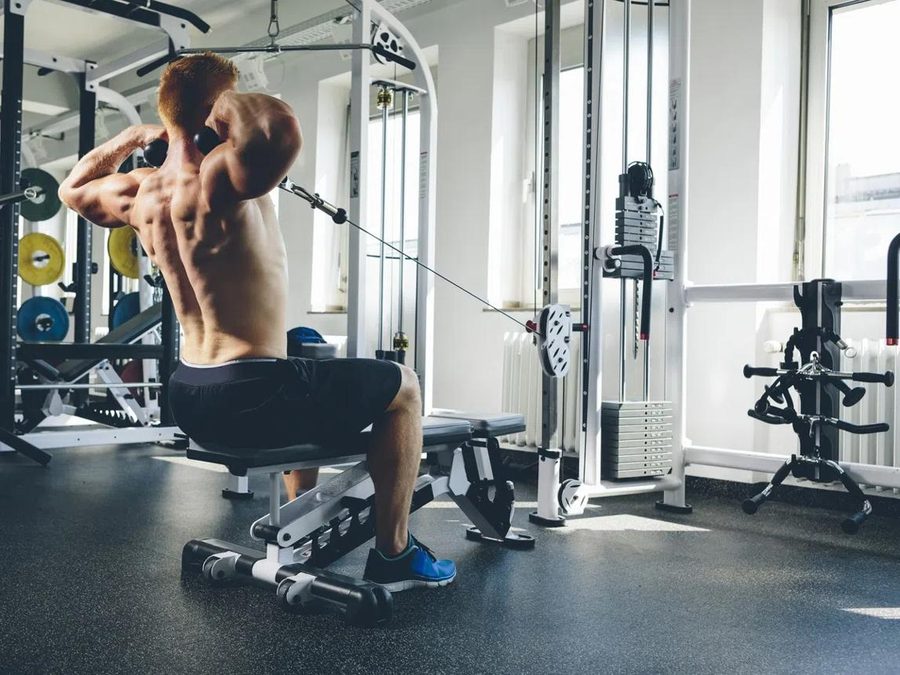
Seated cable variation: Performing the movement while seated reduces the need to stabilise the lower body. This can make it easier to concentrate on the upper back and shoulder movement, particularly for people who struggle to maintain a steady standing position.
Resistance band variation: A resistance band provides an accessible alternative when a cable machine is unavailable. Anchor it securely around face height and pull the band towards your face using the same controlled movement. Resistance increases as the band stretches, creating a different tension profile from a cable machine.
Single-arm variation: Using one handle at a time allows each shoulder to work independently. It may help identify differences in control or strength between sides, although it requires good torso stability to prevent unnecessary rotation.
Recommended Sets, Reps, and Training Frequency
The appropriate training volume depends on your experience, overall programme, and recovery capacity. Because the rear deltoids and external rotator muscles are relatively small, moderate resistance and controlled repetitions are usually more appropriate than very heavy loading.
For general fitness and shoulder development, two to four sets of 12–20 repetitions can be a useful starting point. Beginners may start with two sets using light resistance, while experienced lifters can gradually increase volume if their technique remains consistent.
| Training goal | Sets | Repetitions | Rest |
|---|---|---|---|
| Beginner technique | 2 | 12–15 | 60–90 seconds |
| General fitness | 2–3 | 12–20 | 45–90 seconds |
| Muscle development | 3–4 | 12–20 | 60–90 seconds |
| Muscular endurance | 2–3 | 15–25 | 30–60 seconds |
These are general programming suggestions rather than fixed requirements. You do not need to train to complete muscular failure. Finish most sets with enough control to perform another one or two technically sound repetitions.
For many people, training the rear shoulders and upper back two or three times weekly through a balanced programme is sufficient. Allow recovery between demanding sessions and consider the additional workload created by rows, reverse flyes, and other pulling exercises.
How to Include Face Pulls in Your Workout
This movement fits naturally into shoulder, back, and upper-body training sessions. It is particularly useful after heavier compound exercises because it provides direct work for the rear deltoids and upper-back muscles without requiring extremely heavy resistance.
For example, an upper-body workout might include bench presses, seated cable rows, lat pulldowns, shoulder presses, and then a lighter isolation exercise for the rear shoulders. Alternatively, you can perform the movement earlier in a session using light resistance when your goal is to practise controlled shoulder movement rather than maximise lifting performance.
A balanced shoulder routine should also include movements for the front and side deltoids, along with appropriate upper-back and rotator cuff training. Combining different movement patterns creates more complete muscular development than relying on one exercise.
Face Pulls vs. Reverse Flyes: What’s the Difference?
Both exercises target the rear deltoids, but they use different movement patterns. Reverse flyes involve moving the arms outward while maintaining a slight bend in the elbows. They are particularly useful for isolating the rear shoulders through horizontal shoulder abduction.
Face pulls combine a pulling action with external shoulder rotation. The rope attachment allows the hands to separate near the face, involving the rear deltoids, upper-back muscles, and external rotators. This makes the movement useful when you want to train several muscles responsible for shoulder control together.
Neither exercise is automatically better. Reverse flyes can be useful for direct rear-deltoid training, while rope pulls offer a broader combination of shoulder and scapular movement. Including both in a well-planned programme can provide variety without unnecessary duplication.
Frequently Asked Questions
Are face pulls good for building bigger shoulders?
Yes. They can contribute to shoulder development by directly training the rear deltoids, which are sometimes overlooked in pressing-focused routines. However, complete shoulder development also requires appropriate exercises for the front and side deltoids, sufficient training volume, progressive overload, and adequate nutrition.
How often should beginners perform face pulls?
Beginners can usually start with one or two sessions per week, performing two sets of 12–15 controlled repetitions. As technique improves, they can gradually increase the volume according to their overall training programme and recovery.
Should face pulls be performed with heavy or light weight?
Moderate or light resistance is generally preferable because the movement depends on controlled shoulder positioning and external rotation. Heavy loads often encourage swinging, excessive leaning, or poor elbow positioning. Choose a weight that allows consistent technique throughout every repetition.
Do face pulls improve posture?
They can strengthen the rear deltoids, trapezius, and rhomboids, which contribute to shoulder-blade control. This may support better upper-body movement and postural awareness. However, posture is influenced by several factors, including mobility, daily habits, strength, and workstation setup.
Are face pulls better than reverse flyes?
Neither exercise is universally better. Reverse flyes place direct emphasis on the rear deltoids, while rope pulls combine shoulder movement with external rotation and upper-back involvement. Your choice should depend on your training goals and which movement you can perform comfortably and consistently.
Can I perform face pulls every day?
Daily training is generally unnecessary. The muscles involved also work during rows, pull-ups, and other upper-body exercises. Allowing recovery between dedicated training sessions helps maintain performance and manage overall training volume.
Are face pulls suitable for people with shoulder pain?
Not necessarily. Although the exercise trains muscles involved in shoulder stability, it is not a universal treatment for shoulder pain. People experiencing discomfort should avoid movements that aggravate their symptoms and seek professional assessment when pain persists.
Conclusion
Face pulls are a practical addition to a balanced strength-training routine because they develop the rear deltoids, involve important upper-back muscles, and encourage controlled shoulder movement. Their value comes from consistent technique rather than lifting excessive weight.
Start with manageable resistance, maintain a stable torso, keep your elbows comfortably elevated, and pull the rope towards your face with control. Gradually adjust your sets and repetitions as your strength and technique improve.
The most important takeaway is that strong, well-developed shoulders require balanced training. By giving the rear deltoids and upper-back muscles the attention they deserve, you can build a more complete upper body while supporting better shoulder control and long-term training performance.