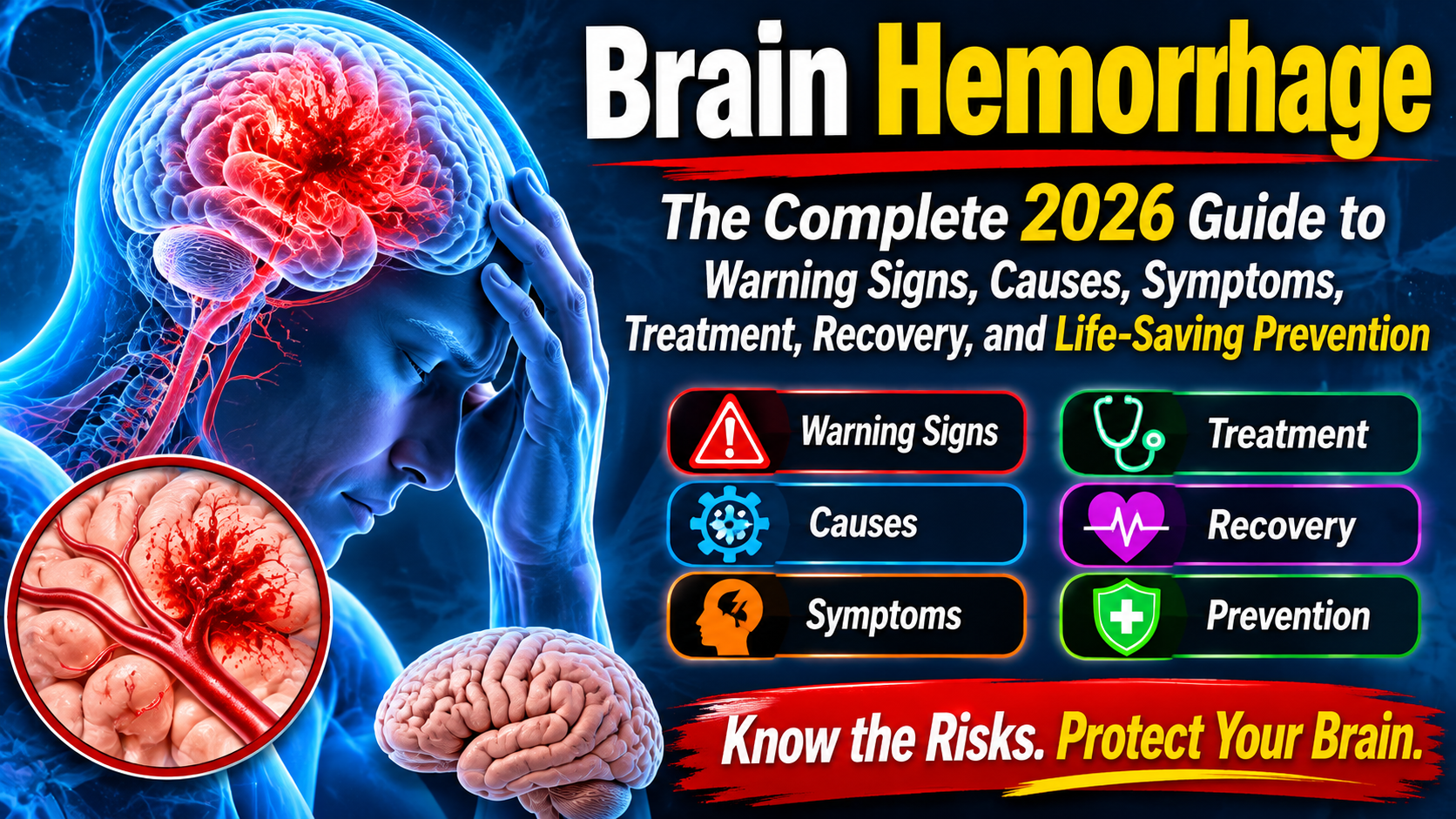
A sudden, severe headache, unexpected weakness, difficulty speaking, or loss of consciousness can sometimes indicate a serious medical emergency involving the brain. One potentially life-threatening condition behind these symptoms is a brain bleed, which occurs when a blood vessel ruptures and blood escapes into or around brain tissue. Because the skull provides very little room for swelling, even a relatively small amount of bleeding can create dangerous pressure and damage sensitive brain structures.
A brain hemorrhage is a type of hemorrhagic stroke that requires immediate medical attention. It can develop because of uncontrolled high blood pressure, a ruptured brain aneurysm, abnormal blood vessels, head injuries, or problems with blood clotting. The severity depends on where the bleeding occurs, how much blood escapes, how quickly treatment begins, and the patient’s overall health.
Understanding the warning signs is particularly important because early symptoms may initially resemble other neurological conditions. Recognizing an emergency, arranging immediate hospital care, and receiving appropriate treatment can make a significant difference in survival and long-term recovery.
Medical emergency: If someone develops a sudden extremely painful headache, facial drooping, one-sided weakness, difficulty speaking, a seizure, or reduced consciousness, call emergency medical services immediately. Do not wait for symptoms to improve or attempt to drive the person to hospital yourself.
What Is a Brain Hemorrhage?
A brain bleed happens when a blood vessel inside the skull breaks, allowing blood to leak into surrounding brain tissue or the spaces surrounding the brain. This disrupts normal circulation, deprives nearby cells of oxygen, and creates pressure that can injure delicate neurological structures. Unlike an ischemic stroke, which occurs when a blood clot blocks blood flow, a hemorrhagic stroke involves bleeding.
There are two major categories: intracerebral hemorrhage and subarachnoid hemorrhage. Intracerebral bleeding occurs directly within brain tissue, while subarachnoid bleeding develops in the space between the brain and its surrounding protective membranes. Both conditions can cause serious complications and require urgent specialist treatment. NINDS+1
Different Types of Brain Bleeding
Understanding the location of bleeding helps doctors determine the appropriate treatment and assess potential complications. Each type affects different structures and can produce slightly different symptoms.

Intracerebral hemorrhage (ICH): This occurs when a blood vessel ruptures inside the brain itself. Chronic hypertension is an important risk factor because prolonged pressure can weaken small arteries. Blood accumulates within brain tissue, potentially damaging nearby cells and increasing intracranial pressure.
Subarachnoid hemorrhage (SAH): This involves bleeding into the fluid-filled space surrounding the brain. A ruptured cerebral aneurysm is a major cause. It frequently produces a sudden, extremely severe headache, sometimes accompanied by vomiting, neck stiffness, and sensitivity to light.
Subdural hematoma: Blood collects between the dura mater and the arachnoid membrane, usually following a head injury. Symptoms can develop immediately or gradually over several days or weeks.
Epidural hematoma: Blood accumulates between the skull and the dura mater, commonly following traumatic head injuries. It can rapidly increase pressure on the brain and become life-threatening.
Brain Hemorrhage Symptoms and Early Warning Signs
Recognizing the symptoms early is essential because bleeding can expand and neurological damage can progress quickly. Some people experience sudden, dramatic symptoms, while others develop progressively worsening problems depending on the bleeding location and severity.

Common warning signs include:
- Sudden, severe headache, particularly one that reaches maximum intensity quickly.
- Weakness or numbness affecting one side of the face or body.
- Difficulty speaking or understanding conversations.
- Blurred vision, double vision, or sudden vision loss.
- Dizziness, poor coordination, and difficulty walking.
- Nausea and repeated vomiting.
- Seizures or unexplained loss of consciousness.
- Confusion, unusual sleepiness, or changes in behavior.
A particularly concerning symptom is a thunderclap headache, which develops suddenly and reaches extreme intensity within minutes. The NHS identifies this type of headache as a major warning sign of subarachnoid hemorrhage. NHS+1
One important consideration is that symptoms do not always appear together. Someone may initially experience only a severe headache before developing weakness, confusion, or unconsciousness. Therefore, the absence of facial drooping or speech problems does not rule out a serious brain bleed.
What Causes a Brain Hemorrhage?
Several medical conditions and external factors can damage blood vessels and increase the likelihood of bleeding. Some develop gradually over many years, while others involve sudden injuries or underlying vascular abnormalities.

High blood pressure: Chronic hypertension is one of the most important risk factors for spontaneous intracerebral bleeding. Persistently elevated pressure can weaken small arteries, making them more vulnerable to rupture.
Brain aneurysms: An aneurysm is a weakened section of an artery that forms a balloon-like bulge. If it ruptures, blood can escape into the space surrounding the brain, causing a potentially fatal subarachnoid hemorrhage.
Arteriovenous malformations (AVMs): These are abnormal connections between arteries and veins that bypass normal capillaries. Their fragile vessels can rupture and produce bleeding.
Head injuries: Road accidents, falls, sports injuries, and physical trauma can damage blood vessels and cause intracranial bleeding.
Blood-thinning medications: Anticoagulants such as warfarin, apixaban, and rivaroxaban can increase bleeding risk, particularly when complications or additional risk factors are present.
Other contributors include certain blood disorders, vascular abnormalities, and cerebral amyloid angiopathy, a condition involving abnormal protein deposits in brain blood vessels. AHA Journals+2
Risk Factors That Increase the Chances of Brain Bleeding
Some people have a higher likelihood of developing bleeding because of their medical history, lifestyle, or age. Identifying these factors allows healthcare professionals to recommend appropriate monitoring and preventive measures.
Uncontrolled hypertension is particularly important because it can silently damage blood vessels without producing noticeable symptoms. Smoking, excessive alcohol consumption, and certain stimulant drugs can also increase cardiovascular and vascular risks.
Age is another consideration. Older adults are more vulnerable to certain types of intracranial bleeding, especially subdural hematomas and hemorrhages associated with cerebral amyloid angiopathy. Previous strokes, bleeding disorders, and a family history of certain vascular conditions may also influence individual risk.
| Risk factor | How it contributes |
|---|---|
| Uncontrolled hypertension | Weakens small blood vessels |
| Brain aneurysm | Creates a vulnerable arterial bulge |
| AVM | Produces abnormal, fragile vessels |
| Head trauma | Damages blood vessels |
| Blood-thinning medication | Can increase bleeding severity |
| Smoking | Damages cardiovascular health |
| Excessive alcohol | Can contribute to hypertension and injury |
| Older age | Increases susceptibility to certain bleeding conditions |
Having one or more risk factors does not mean someone will necessarily develop this condition. However, controlling preventable risks is an important part of protecting long-term brain health.
How Doctors Diagnose a Brain Hemorrhage
Rapid diagnosis is essential because different stroke types require different treatments. Doctors begin by evaluating symptoms, checking neurological function, reviewing medical history, and identifying medications that could influence bleeding.
A non-contrast CT scan of the head is commonly used as an initial investigation because it can quickly identify fresh blood and show its location. Depending on the findings, additional imaging may be necessary to identify an aneurysm, abnormal blood vessel, or underlying vascular problem.

Additional diagnostic investigations may include:
- CT angiography: Examines blood vessels to identify aneurysms and other abnormalities.
- MRI: Provides detailed images of brain tissue and certain types of bleeding.
- Cerebral angiography: Helps specialists examine blood vessel abnormalities.
- Blood tests: Evaluate clotting function, platelet levels, and other important health indicators.
- Neurological examination: Assesses consciousness, movement, speech, vision, and coordination.
For suspected subarachnoid bleeding, NICE recommends urgent non-contrast CT imaging, with diagnostic accuracy highest when performed within six hours of symptom onset. NICE+1
Brain Hemorrhage Treatment and Emergency Medical Care
Treatment depends on the bleeding location, volume, underlying cause, neurological condition, and whether pressure is building inside the skull. The primary objectives are to control bleeding, prevent further injury, manage intracranial pressure, and protect essential brain functions.
Patients may require admission to an intensive care unit or specialized stroke center. Doctors carefully monitor blood pressure, oxygen levels, consciousness, and neurological changes. When appropriate, intravenous medications help manage blood pressure and reduce the risk of additional bleeding.
If the patient takes anticoagulant medication, specialists may administer specific reversal treatments. For example, idarucizumab can reverse dabigatran, while other reversal agents or prothrombin complex concentrates may be appropriate for certain anticoagulants.
Surgery or minimally invasive procedures may be necessary in selected cases. These can include:
- Aneurysm clipping: A surgeon places a small clip around an aneurysm to prevent further bleeding.
- Endovascular coiling: Tiny coils are placed inside an aneurysm through a catheter to reduce blood flow into it.
- Hematoma evacuation: Removes accumulated blood when clinically appropriate.
- Ventricular drainage: Removes excess cerebrospinal fluid when bleeding causes hydrocephalus.
As the American Heart Association/American Stroke Association emphasizes, acute care requires careful blood pressure management and rapid reversal of relevant anticoagulant effects. Treatment decisions must be individualized by specialists. AHA Journals+2
Recovery, Rehabilitation, and Possible Complications
Recovery varies considerably depending on the amount of bleeding, affected brain region, age, general health, and speed of treatment. Some patients regain much of their previous functioning, while others experience lasting physical, cognitive, or emotional difficulties.
Potential complications include brain swelling, seizures, hydrocephalus, memory problems, speech difficulties, muscle weakness, and impaired coordination. Severe cases can result in permanent disability or death. Recovery may take months or years rather than weeks.
Rehabilitation is an important part of the recovery process. Physical therapy helps restore movement and balance, occupational therapy supports everyday activities, and speech therapy addresses communication and swallowing difficulties. Psychological support can also help patients manage anxiety, depression, and changes in independence.
Family involvement makes a meaningful difference. Creating a safe home environment, attending rehabilitation sessions, following prescribed medication schedules, and maintaining regular medical appointments can support a more structured recovery.
How to Prevent Brain Hemorrhage and Protect Brain Health
Although not every case can be prevented, reducing major vascular risk factors can significantly improve overall brain and cardiovascular health. Blood pressure management is particularly important for people with hypertension or a previous hemorrhagic stroke.
Practical preventive measures include:
- Monitor blood pressure regularly and follow prescribed treatment.
- Avoid smoking and recreational stimulant drugs.
- Limit alcohol consumption.
- Maintain a balanced diet rich in vegetables, fruits, and whole grains.
- Exercise regularly according to individual medical advice.
- Wear appropriate protective equipment during sports and high-risk activities.
- Take anticoagulants and antiplatelet medications only as prescribed.
- Attend follow-up appointments after an aneurysm or previous stroke diagnosis.
For people who have already experienced intracerebral bleeding, long-term blood pressure control is especially important. The American Heart Association identifies hypertension management as a major strategy for reducing the risk of recurrence.
Frequently Asked Questions About Brain Hemorrhage
Can a brain hemorrhage happen suddenly?
Yes. Bleeding can begin abruptly when a blood vessel ruptures, particularly following an aneurysm rupture or severe head injury. Symptoms may include an extremely painful headache, vomiting, weakness, seizures, or unconsciousness. Immediate emergency assessment is essential.
What is the difference between a brain hemorrhage and a stroke?
A stroke is a medical condition involving interrupted blood supply or bleeding that damages brain tissue. Ischemic strokes occur when a blood vessel becomes blocked, while hemorrhagic strokes occur when a vessel ruptures and causes bleeding. Both require emergency medical treatment.
Can someone survive a brain hemorrhage?
Yes. Survival is possible, and outcomes vary according to bleeding severity, location, underlying cause, and treatment timing. Some patients recover substantially, while others experience lasting neurological complications. Early diagnosis and specialist treatment are important factors.
What is the most common cause of brain bleeding?
High blood pressure is a major cause of spontaneous intracerebral hemorrhage. However, aneurysm rupture, vascular malformations, head injuries, and blood-clotting problems can also cause serious bleeding.
How long does recovery take after a brain hemorrhage?
Recovery can take several weeks, months, or even years. The timeline depends on the extent of brain injury, complications, and rehabilitation needs. Some patients regain independence, while others require long-term assistance.
Can high blood pressure cause a brain hemorrhage?
Yes. Long-term uncontrolled hypertension can weaken small arteries inside the brain, increasing their vulnerability to rupture. Regular blood pressure monitoring, prescribed medication, and healthy lifestyle habits can help reduce this risk.
Is a brain hemorrhage always fatal?
No. Although it is a potentially life-threatening emergency, many patients survive with appropriate medical care. The outcome depends on several factors, including bleeding volume, location, neurological damage, and how quickly treatment begins.
Conclusion: Recognizing the Warning Signs Can Save Lives
A brain hemorrhage is one of the most serious neurological emergencies because bleeding can rapidly damage brain tissue and increase pressure inside the skull. Understanding its causes, symptoms, diagnostic procedures, and treatment approaches helps people recognize potential warning signs and respond appropriately.
High blood pressure, aneurysms, abnormal blood vessels, traumatic injuries, and certain medications are important factors to understand. Modern imaging, specialized neurosurgery, intensive care, and rehabilitation have improved the ability to manage many cases, although outcomes remain highly dependent on individual circumstances.
The most important takeaway is simple: never ignore a sudden, unusually severe headache or unexpected neurological symptoms. Immediate emergency care, effective blood pressure management, and appropriate follow-up can make a meaningful difference in protecting brain health and saving lives.