
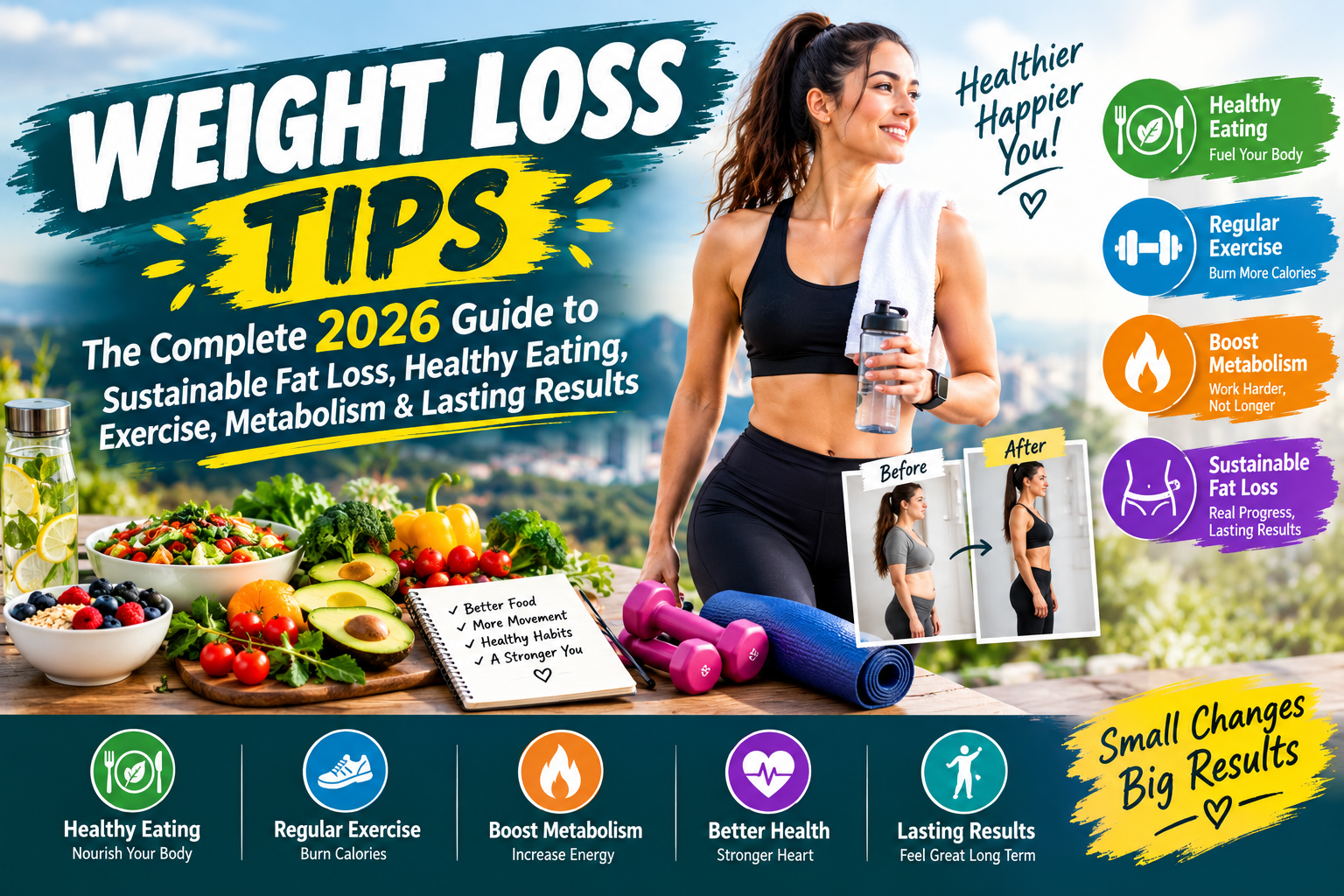
Successful weight loss is rarely about finding one perfect diet or eliminating a single food. The most reliable approach combines sensible calorie control, nutritious foods, regular physical activity, adequate sleep, stress management, and habits that can realistically continue for months and years. The best strategy is usually the one that produces steady progress without making everyday life miserable.
The internet is full of dramatic promises, rapid transformations, detox plans, and extremely restrictive diets. Some may produce quick changes on the scale, but short-term weight reduction is not always the same as sustainable fat loss. A healthier approach focuses on improving body composition, preserving muscle, maintaining adequate nutrition, and developing routines that fit your lifestyle.
“The goal is not to eat as little as possible; it is to create a healthier routine that you can actually maintain.”
These weight loss tips focus on practical principles rather than extreme restrictions. They are designed to help explain how energy balance, food quality, exercise, protein, hydration, sleep, and behavioral consistency work together.
Understand How Weight Loss Actually Works
At its simplest, weight loss occurs when the body uses more energy than it receives from food and beverages over time. This is commonly described as a calorie deficit. However, the human body is not a calculator that behaves identically every day. Appetite, activity levels, metabolic adaptation, food composition, sleep, stress, and body composition can all influence the process.
A useful way to understand the concept is to think about your weekly energy balance rather than obsessing over a single day’s calorie intake. A higher-calorie meal does not automatically stop progress, just as one low-calorie day does not guarantee fat loss. What matters is the overall pattern.
One of the most useful weight loss tips is therefore to avoid chasing perfection. A sustainable calorie deficit that allows you to eat nutritious foods, train effectively, sleep well, and maintain normal social activities is generally more practical than an aggressive restriction that leaves you constantly hungry.
Build Meals Around Protein and Nutrient-Dense Foods
Protein plays an important role during fat loss because it supports muscle maintenance and can contribute to satiety. Protein-rich foods include eggs, fish, poultry, lean meat, Greek yogurt, cottage cheese, milk, tofu, tempeh, beans, lentils, and other legumes. Including a protein source in meals can make a calorie-controlled diet easier to manage.
Fiber-rich foods are also valuable. Vegetables, fruits, whole grains, legumes, nuts, and seeds provide nutrients and can increase the volume and satiety of meals. A large bowl of vegetables, lean protein, and a moderate portion of whole grains can be much more filling than a small meal dominated by refined carbohydrates and added fats.
A practical plate can contain a substantial serving of vegetables, a protein source, a moderate carbohydrate portion, and a sensible amount of healthy fat. This approach avoids the common problem of treating carbohydrates or fats as universally “bad” foods.
Create a Calorie Deficit Without Extreme Restriction
A calorie deficit is necessary for reducing body weight, but making the deficit excessively large can create unnecessary problems. Severe restriction may increase hunger, reduce training performance, make social eating difficult, and increase the likelihood of abandoning the plan.
Instead, small changes can accumulate. Replacing sugary drinks with water, reducing frequent high-calorie snacks, controlling restaurant portions, and increasing vegetables can lower calorie intake without making meals feel dramatically smaller.
These weight loss tips work particularly well because they focus on changing the environment and routine rather than relying entirely on willpower. If a high-calorie snack is always within arm’s reach, eating it requires almost no effort. If nutritious foods are prepared and visible, making the healthier choice becomes easier.
Use Exercise to Support Fat Loss and Fitness
Exercise increases energy expenditure, but its value goes beyond calorie burning. Regular physical activity supports cardiovascular health, strength, mobility, insulin sensitivity, mental well-being, and physical function. These benefits make exercise important even when the number on the scale changes slowly.
A balanced program can combine aerobic activity with resistance training. Walking, cycling, swimming, jogging, dancing, and other cardiovascular activities can increase daily movement, while resistance exercises such as squats, rows, presses, lunges, and hip-hinge movements help maintain or build muscle.
For someone new to exercise, starting with regular walking can be surprisingly effective. A person who previously spent most of the day sitting might begin with several short walks and gradually increase daily activity. The goal is to create a sustainable upward trend rather than attempting an advanced program immediately.
Prioritize Strength Training During Fat Loss
Strength training deserves special attention because losing body weight is not the same as improving body composition. A person can lose both fat and muscle during an aggressive diet, while a well-designed nutrition and exercise plan can help preserve lean tissue.
Resistance training provides the body with a reason to retain muscle. Combined with adequate protein and an appropriate calorie deficit, it can support a healthier body-composition outcome. Exercises can include bodyweight squats, push-ups, lunges, rows, overhead presses, deadlift variations, and other movements performed with appropriate resistance.
One of the most overlooked weight loss tips is to track improvements beyond the scale. Increasing strength, improving endurance, reducing waist circumference, feeling more energetic, and becoming more comfortable with physical activity can all represent meaningful progress.
Increase Daily Movement Outside the Gym
Structured workouts are only one part of physical activity. Non-exercise activity includes walking around the house, taking stairs, doing household chores, standing during portions of the workday, shopping, gardening, and moving between daily tasks.
This matters because a person can complete a 45-minute workout and still spend most of the remaining day sitting. Increasing everyday movement can help create a more active lifestyle without requiring additional intense workouts.
For example, someone working at a desk might take short walking breaks, walk while making phone calls, use stairs when practical, and take an evening walk. These small behaviors may seem insignificant individually, but their cumulative effect can become meaningful over weeks and months.
Improve Food Quality Without Creating a Forbidden-Food List
A common dieting mistake is dividing foods into morally “good” and “bad” categories. This can create an unnecessarily restrictive mindset. A healthier approach is to understand that foods differ in nutrient density, calorie density, portion size, and how filling they are.
Vegetables, fruits, lean proteins, whole grains, legumes, and minimally processed foods can form the foundation of a nutritious diet. Highly processed foods, desserts, fried foods, and sugary drinks can still fit occasionally when portions and overall calorie intake remain appropriate.
The problem is usually not one cookie, burger, or slice of cake. The problem arises when high-calorie foods become a daily pattern that consistently pushes energy intake above requirements. Flexible eating can therefore be more sustainable than rigid elimination.
Manage Liquid Calories and Portion Sizes
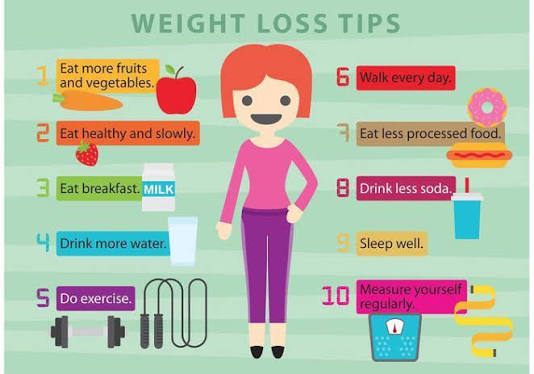
Beverages can contribute substantial calories without creating the same feeling of fullness as solid foods. Sugary sodas, sweetened coffee drinks, energy drinks, fruit beverages, and alcoholic drinks can therefore make calorie control more difficult.
Water is an easy default beverage, while unsweetened tea and coffee can also fit into many diets. The objective is not necessarily to eliminate every calorie-containing drink but to become aware of how frequently they appear in the diet.
Portion awareness is equally important. Restaurant meals, takeout portions, and packaged snacks can contain considerably more food than a person realizes. Using smaller serving dishes, measuring calorie-dense ingredients, and placing food on a plate rather than eating directly from a package can create useful boundaries.
Sleep and Stress Matter More Than Many People Realize
Sleep is frequently overlooked when people discuss fat loss. Poor sleep can influence appetite, energy, mood, recovery, and food choices. Someone who sleeps poorly may feel less motivated to exercise and more inclined toward convenient, highly palatable foods the following day.
Stress can create a similar challenge. Chronic stress does not override the basic principles of energy balance, but it can influence behaviors that affect calorie intake and activity. Stress-related snacking, irregular meals, reduced sleep, and inactivity can collectively make progress more difficult.
Strong weight loss tips therefore extend beyond the kitchen. Creating a consistent bedtime, limiting excessive evening screen exposure, maintaining a relaxing nighttime routine, and finding practical stress-management strategies can support healthier habits.
Stay Hydrated and Recognize Hunger Patterns
Hydration is important for normal physical function and exercise performance. Water should generally be the primary beverage, with fluid requirements varying according to body size, activity, climate, diet, and individual circumstances.
It is also useful to learn the difference between physical hunger, habit-driven eating, boredom, and emotional eating. This does not mean ignoring hunger. Instead, it means becoming more aware of what is driving the desire to eat.
For example, someone who routinely snacks while watching television may discover that the behavior is strongly connected to the activity rather than genuine hunger. Changing the environment—such as keeping snacks out of immediate reach or choosing a planned portion—can make the habit easier to manage.
Track Progress Without Becoming Obsessed With the Scale
Body weight naturally fluctuates because of water retention, sodium intake, carbohydrate storage, digestion, hormonal changes, and other factors. A higher scale reading from one morning to the next does not necessarily mean that body fat increased.
For this reason, looking at trends is more useful than reacting emotionally to individual measurements. Waist circumference, clothing fit, workout performance, progress photos, energy levels, and consistency with nutrition can provide additional context.
These weight loss tips are especially valuable for people who become discouraged by normal fluctuations. A plateau lasting several days may simply reflect water changes, while a genuine long-term plateau can indicate that adjustments to calorie intake, activity, or adherence are needed.
Avoid Common Crash-Diet Mistakes
Crash diets often promise rapid results through severe calorie restriction, elimination of entire food groups, fasting protocols, or highly specific “fat-burning” foods. Although rapid scale changes can occur, some of the initial reduction may come from water and glycogen rather than body fat.
Extreme approaches can also make normal life difficult. Birthday meals, family dinners, travel, holidays, and restaurant occasions become harder to navigate when the diet allows almost no flexibility.
A better problem-solving strategy is to identify the specific reason progress is difficult. If hunger is the problem, increase the volume of vegetables and protein-rich foods. If convenience is the issue, prepare meals ahead of time. If evening snacking is the challenge, create a structured nighttime routine. If exercise feels overwhelming, start with walking and short strength sessions.
Make Healthy Habits Easier to Maintain
Long-term results depend heavily on adherence. A theoretically perfect plan has little value if it cannot be followed consistently. This is why environmental design can be more powerful than relying on motivation every day.
Keep nutritious foods available, prepare protein-rich meals in advance, portion snacks before eating them, schedule workouts like appointments, and create realistic routines around work and family commitments. The objective is to reduce the number of decisions required throughout the day.
Another useful principle is to focus on the next behavior rather than the previous mistake. If a high-calorie meal happens, returning to normal eating at the next meal is more productive than turning one indulgence into an entire weekend of overeating.
Sustainable Weight Loss Is Usually Gradual
Healthy progress rarely follows a perfectly straight line. Weight can decrease quickly at the beginning and then slow as the body becomes lighter and energy requirements change. This does not automatically mean the strategy has stopped working.
Patience is especially important because fat loss and health improvements occur over different timelines. Cardiovascular fitness may improve before substantial scale changes appear. Strength can increase while body weight remains relatively stable. Clothes may fit differently even when the scale barely moves.
The most practical weight loss tips are therefore built around repeatable behaviors rather than dramatic deadlines. Sustainable progress comes from doing enough things correctly, often enough, for long enough.
A Practical Daily Framework for Fat Loss
A simple day might begin with a protein-rich breakfast such as eggs with whole-grain toast and fruit or Greek yogurt with berries and oats. Lunch could include lean protein, vegetables, and a moderate portion of rice, potatoes, or another whole-food carbohydrate. Dinner can follow a similar structure while leaving room for personal preferences.
Movement can be distributed throughout the day instead of being confined to one workout. A morning walk, strength session, short walking breaks, and an evening stroll can collectively create a more active routine.
| Daily habit | Practical target | Why it matters |
|---|---|---|
| Protein | Include a source at major meals | Supports satiety and lean tissue |
| Vegetables and fruit | Eat a variety throughout the day | Provides fiber and micronutrients |
| Water | Drink regularly according to needs | Supports hydration and normal function |
| Cardio | Accumulate regular aerobic activity | Supports cardiovascular fitness |
| Strength training | Train major muscle groups regularly | Helps preserve muscle |
| Sleep | Maintain a consistent sleep schedule | Supports recovery and appetite regulation |
| Daily movement | Reduce prolonged sitting | Increases overall activity |
| Progress tracking | Monitor trends rather than single days | Provides better feedback |
The framework does not need to be perfect. Its value comes from making healthy behaviors predictable enough to repeat.
Frequently Asked Questions
What are the most effective weight loss tips for beginners?
Beginners can focus on a few foundational behaviors: eating mostly nutrient-dense foods, including adequate protein, controlling portions, drinking fewer calorie-containing beverages, increasing daily movement, performing regular exercise, and maintaining a consistent sleep schedule. Starting with manageable changes is generally more sustainable than attempting a complete lifestyle transformation overnight.
How quickly should weight loss happen?
The rate varies according to starting body weight, calorie intake, activity level, age, genetics, medical factors, and other circumstances. A gradual reduction is generally easier to maintain than an aggressive crash diet. Short-term scale changes can also reflect water and glycogen rather than changes in body fat, so progress should be evaluated over several weeks rather than individual days.
Can you lose weight without exercise?
Yes, weight can decrease through dietary changes that create a calorie deficit. However, physical activity provides important benefits beyond calorie expenditure, including cardiovascular fitness, strength, mobility, mood, and support for maintaining lean tissue. Combining sensible nutrition with regular movement is generally a more comprehensive approach.
What foods should you eat when trying to lose weight?
A nutritious fat-loss diet can include lean proteins, vegetables, fruits, whole grains, legumes, dairy or suitable alternatives, nuts, seeds, and healthy fats. No single food is required for successful weight loss. The most important factors are overall calorie intake, nutritional quality, portion sizes, dietary consistency, and personal preference.
Do you need to stop eating carbohydrates to lose weight?
No. Carbohydrates can be part of a healthy weight-loss diet. Whole grains, potatoes, oats, fruits, beans, lentils, and other carbohydrate-containing foods can provide energy, fiber, vitamins, and minerals. Weight loss depends primarily on overall energy balance rather than the complete elimination of carbohydrates.
Can strength training help with weight loss?
Strength training can support weight management by helping maintain or build muscle while a person reduces body fat. Muscle tissue is metabolically active, and resistance exercise also improves strength and physical function. Combining strength training with appropriate nutrition and aerobic activity creates a more complete fitness strategy.
Conclusion
The most effective weight loss tips are not built around extreme diets, miracle ingredients, or exhausting workouts. They come from understanding energy balance while protecting nutrition, muscle, recovery, and long-term adherence.
Build meals around protein and nutrient-dense foods, manage portions, stay active, strength train, increase everyday movement, prioritize sleep, and monitor progress through trends rather than emotional reactions to daily scale fluctuations. When setbacks happen, return to the routine instead of abandoning it.
The final insight is that sustainable fat loss is less about finding a perfect plan and more about building a lifestyle that makes healthy choices repeatable. Consistency turns small improvements into meaningful long-term results.