

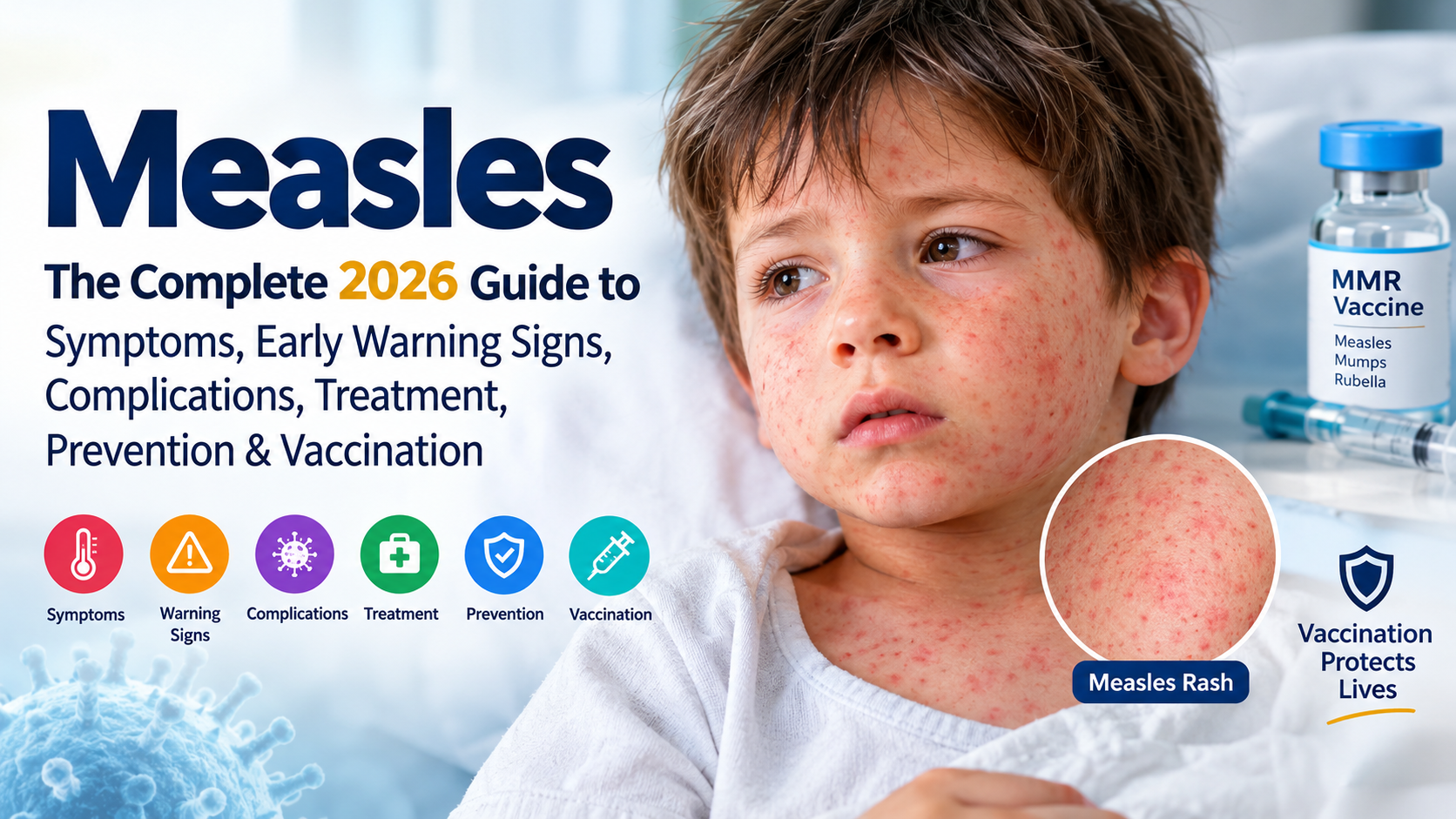
Measles is a highly contagious viral infection that can cause fever, cough, a runny nose, red eyes, and a distinctive skin rash. Although many people recover with supportive care, the disease can lead to serious complications, including pneumonia, brain inflammation, and, in rare cases, death. Infants, unvaccinated individuals, pregnant people, and those with weakened immune systems face particular risks.
Understanding how the infection spreads, how its symptoms develop, and how vaccination prevents severe illness is essential for protecting individuals and communities. Despite the availability of an effective vaccine, outbreaks continue to occur when vaccination coverage falls or the virus reaches populations with limited immunity.
This guide explains the causes, symptoms, diagnosis, treatment, complications, and prevention strategies in practical, accessible language.
What Is Measles?
Measles is an acute respiratory illness caused by the measles virus, which belongs to the Morbillivirus genus in the Paramyxoviridae family. It primarily affects the respiratory tract before spreading throughout the body. Unlike many mild childhood rashes, this infection can produce widespread inflammation and complications affecting multiple organs.
The virus spreads exceptionally easily through the air when an infected person breathes, coughs, or sneezes. Susceptible people may become infected after sharing an indoor space with someone who has the disease, even if they do not have direct physical contact. The virus can remain infectious in the air for up to two hours after an infected person leaves an area.
Before widespread vaccination, the infection was a common childhood illness. Today, vaccination has dramatically reduced its burden in many countries, but imported cases and local outbreaks remain possible. A community with high vaccination coverage is better protected because the virus has fewer opportunities to spread.
Early Symptoms and Warning Signs
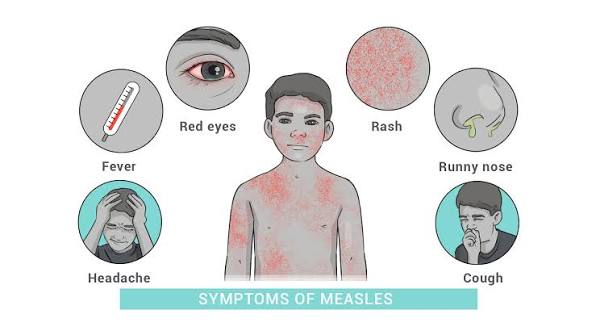
Symptoms usually appear around 7–14 days after exposure, although the timing can vary. The illness often begins with a combination of fever, cough, runny nose, and conjunctivitis, which causes red, watery eyes. Fever may rise considerably as the infection progresses.
Small white spots called Koplik spots may develop inside the mouth, often on the inner cheeks. They can appear before the characteristic rash and are an important clinical clue, although not everyone develops them or has them noticed during an examination.
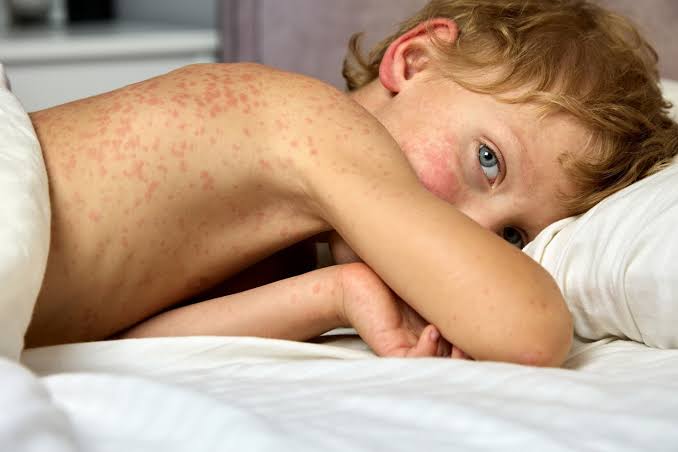
The rash typically begins on the face or near the hairline and spreads downward to the neck, trunk, arms, and legs. It often consists of flat red spots and small raised bumps that may merge into larger patches. Fever and other symptoms can worsen around the time the rash appears.
| Symptom or sign | Typical presentation |
|---|---|
| Fever | Often high and sometimes above 104°F (40°C) |
| Cough | Persistent, dry cough |
| Runny nose | Nasal discharge and congestion |
| Red eyes | Watery, irritated eyes and sensitivity to light |
| Koplik spots | Tiny white spots inside the cheeks |
| Skin rash | Red spots spreading from the face downward |
| Fatigue | Weakness, reduced appetite, and general discomfort |
These symptoms can resemble other viral illnesses, so a rash alone cannot establish the diagnosis. Anyone who suspects infection should contact a healthcare professional by telephone before visiting a clinic, helping prevent exposure to other patients.
How the Virus Spreads
The infection spreads primarily through airborne respiratory particles released by an infected person. People without immunity can become infected by breathing contaminated air or entering an enclosed area shortly after an infected person has been present. This makes transmission particularly difficult to control in crowded homes, schools, healthcare facilities, and public transport.
An infected person can generally spread the virus from about four days before the rash appears until four days afterward. Because early symptoms resemble an ordinary cold, people may transmit the virus before realizing they have a potentially serious infection.
For example, an unvaccinated child who develops a fever and cough may attend school before the rash appears. If the child is infected, classmates without immunity may be exposed before the illness is recognized. This is one reason prompt isolation and public health notification are important.
The most effective response combines vaccination, rapid identification, appropriate isolation, and contact tracing. Handwashing and covering coughs remain useful general hygiene practices, but they cannot provide the same level of protection against airborne transmission as vaccination and appropriate infection-control measures.
Who Is Most at Risk?
Anyone without adequate immunity can develop the disease. However, the risk of serious illness is particularly high among children younger than five, adults over 20, pregnant people, and individuals with weakened immune systems. Infants are especially vulnerable because they may be too young to receive their first routine vaccine dose.
Complications may also be more likely in people with malnutrition, vitamin A deficiency, or limited access to timely medical care. In areas where healthcare services are difficult to reach, dehydration, respiratory infections, and other complications may become more dangerous because treatment is delayed.
Pregnancy adds specific concerns. Infection during pregnancy may increase the risk of maternal complications, pregnancy loss, premature birth, or low birth weight. The MMR vaccine is not recommended during pregnancy because it is a live attenuated vaccine. Pregnant people who may have been exposed should seek prompt medical advice rather than attempting self-treatment.
People who are immunocompromised may experience more severe or prolonged illness. Their clinicians may recommend additional precautions or specialized management based on their medical circumstances and exposure history.
Serious Complications and Long-Term Effects
Although many patients recover, complications can affect the lungs, ears, digestive system, and nervous system. Diarrhea and ear infections are relatively common complications, while pneumonia is a major cause of severe illness and death, particularly among young children.
Encephalitis, or inflammation of the brain, is a less common but dangerous complication. It can cause seizures, confusion, reduced consciousness, or lasting neurological damage. A rare condition called subacute sclerosing panencephalitis (SSPE) may develop years after the initial infection. It causes progressive brain deterioration and is usually fatal.
Another important consequence is temporary suppression of immune defenses. The infection can damage immune memory, making the body more vulnerable to other infections for an extended period. This effect helps explain why the consequences may continue after the visible rash has disappeared.
Seek emergency medical care for difficulty breathing, blue or gray lips, seizures, confusion, unusual drowsiness, severe dehydration, or difficulty waking. Infants with poor feeding, reduced urination, or worsening weakness also require urgent assessment. Early recognition can improve the chances of appropriate treatment and reduce the risk of preventable harm.
Diagnosis and Medical Testing
Healthcare professionals assess symptoms, vaccination history, travel or exposure history, and the appearance and progression of the rash. The combination of fever, cough, runny nose, red eyes, and a downward-spreading rash can raise suspicion, but clinical appearance alone is not always sufficient.
Laboratory testing can confirm the diagnosis. Common methods include detecting viral RNA through reverse-transcription polymerase chain reaction (RT-PCR) and measuring measles-specific immunoglobulin M (IgM) antibodies in blood. Depending on the timing of the illness, clinicians or public health laboratories may collect respiratory or urine samples as well.
If infection is suspected, call ahead before attending a healthcare facility. Staff can arrange appropriate precautions to protect other patients and healthcare workers. Public health authorities may also help identify exposed contacts and determine whether preventive measures are necessary.
Early testing is especially important during an outbreak or when the patient has recently travelled to an area with ongoing transmission. Timely confirmation supports treatment decisions, infection control, and accurate outbreak monitoring.
Treatment and Recovery
There is no specific routinely used antiviral medicine that cures an uncomplicated infection. Treatment generally focuses on relieving symptoms, maintaining hydration, supporting nutrition, and monitoring for complications. Most patients recover with supportive care, but the need for medical supervision depends on age, symptoms, underlying conditions, and illness severity.
Rest, regular fluids, and appropriate food can help patients manage fever and recover. Fever-reducing medicines may be appropriate when used according to professional guidance and product instructions. Children and teenagers should not receive aspirin during viral illnesses because of its association with Reye’s syndrome.
Vitamin A may be prescribed by a healthcare professional for children with the disease, particularly in settings where deficiency is common. Evidence supports its use in appropriate clinical circumstances, but dosing must be determined by a qualified professional. Excessive vitamin A can be toxic, so high-dose supplements should never be taken without medical guidance.
Antibiotics do not treat the virus itself. A clinician may prescribe them if a bacterial complication, such as a secondary ear infection or bacterial pneumonia, develops. Patients should receive prompt medical reassessment if fever persists or returns, breathing becomes difficult, fluid intake falls, or symptoms worsen after initial improvement.
Recovery may take several days to a few weeks, depending on severity and complications. People should follow isolation instructions from healthcare professionals and local public health authorities to avoid exposing others.
MMR Vaccination and Prevention
The measles, mumps, and rubella (MMR) vaccine is the primary method of preventing infection. It trains the immune system to recognize the viruses without causing the diseases in the way natural infection can. Two doses provide approximately 97% protection against measles, while one dose provides approximately 93% protection.
Routine childhood vaccination schedules vary by country. In the United States, for example, the first MMR dose is generally recommended at 12–15 months and the second at 4–6 years. Other countries follow national immunization schedules adapted to local conditions and outbreak risks.
| Prevention measure | How it helps |
|---|---|
| Two MMR doses | Provides strong, long-lasting protection |
| Checking vaccination records | Identifies people who may need vaccination |
| Prompt medical advice after exposure | Helps determine whether preventive treatment is appropriate |
| Isolation when infected | Reduces exposure to susceptible people |
| Public health contact tracing | Helps identify and protect exposed individuals |
The vaccine is generally safe. Temporary soreness at the injection site, mild fever, or a brief rash may occur. Serious reactions are rare. Because the MMR vaccine contains live weakened viruses, it is generally contraindicated during pregnancy and in certain people with severe immune suppression. A healthcare professional can determine whether vaccination is appropriate for a particular individual.
As the World Health Organization emphasizes in its immunization guidance, vaccination is central to preventing outbreaks and protecting vulnerable populations. High vaccination coverage also helps protect infants who are not yet eligible for routine immunization and people who cannot receive the vaccine for medical reasons.
What to Do After Exposure
Anyone who believes they have been exposed should contact a healthcare professional or local public health service promptly, even if symptoms have not appeared. The response depends on vaccination status, age, pregnancy, immune function, and the time elapsed since exposure.
For eligible individuals, MMR vaccination within 72 hours of exposure may help prevent infection or reduce its severity. Immune globulin may be recommended for certain high-risk people when administered within six days of exposure. These interventions are time-sensitive, and eligibility must be assessed by a healthcare professional.
People should avoid visiting schools, workplaces, crowded public spaces, or healthcare facilities without first obtaining advice if infection is suspected. This is particularly important because transmission can occur before the rash develops. Following isolation and public health instructions helps protect household members and the wider community.
Frequently Asked Questions
Is measles contagious before the rash appears?
Yes. An infected person can usually transmit the virus from approximately four days before the rash begins until four days afterward. Early symptoms such as fever, coughing, and a runny nose may resemble a common cold, which makes early recognition difficult. Anyone with a possible exposure should seek advice promptly and follow public health instructions.
Can vaccinated people still get measles?
Yes, but infection is much less likely after complete vaccination. Two MMR doses provide approximately 97% protection. In rare cases, a vaccinated person may still become infected, particularly during intense exposure. Vaccinated people who develop compatible symptoms after a known exposure should contact a healthcare professional for advice.
How long does measles last?
The acute illness commonly lasts around one to two weeks, although the duration varies. Fever and respiratory symptoms often appear before the rash, which typically lasts several days. Fatigue and weakness may continue after the rash fades. Complications can prolong recovery and require additional medical care.
What is the difference between measles and chickenpox?
Both infections can cause fever and a rash, but their patterns differ. The rash associated with measles typically begins on the face and spreads downward, while chickenpox usually produces itchy, fluid-filled blisters that appear in successive crops. Because other illnesses can resemble either condition, medical assessment may be necessary for an accurate diagnosis.
Can adults get measles?
Yes. Adults without adequate immunity can become infected, and some may experience serious complications. Adults who lack reliable vaccination records or evidence of immunity should discuss their vaccination needs with a healthcare professional. Recommendations may vary depending on age, occupation, travel plans, and medical history.
Is there a cure for measles?
There is no specific routinely used antiviral cure for the infection. Treatment focuses on hydration, symptom relief, monitoring, and managing complications. Vitamin A may be recommended in appropriate clinical settings, particularly for children. Vaccination remains the most effective way to prevent infection and reduce the risk of serious illness.
When should someone seek emergency medical attention?
Emergency care is necessary for severe breathing difficulties, seizures, confusion, blue or gray lips, extreme drowsiness, or signs of severe dehydration. Infants, pregnant people, and individuals with weakened immune systems should seek prompt medical advice after suspected exposure or the development of symptoms because their risk of complications may be higher.
Conclusion
Measles remains a significant public health concern because it spreads easily and can cause serious complications, even when the initial symptoms appear similar to an ordinary respiratory infection. Recognizing early warning signs, confirming suspected cases through appropriate testing, and obtaining timely medical care can reduce avoidable harm.
The most effective protection is vaccination with the recommended two-dose MMR schedule. Supportive treatment can help patients recover, while prompt isolation, exposure assessment, and public health guidance limit further transmission.
The essential takeaway is simple: prevention is safer than relying on treatment after infection occurs. Keeping vaccinations up to date protects individuals and helps safeguard infants, immunocompromised people, and others who are especially vulnerable to severe disease.