
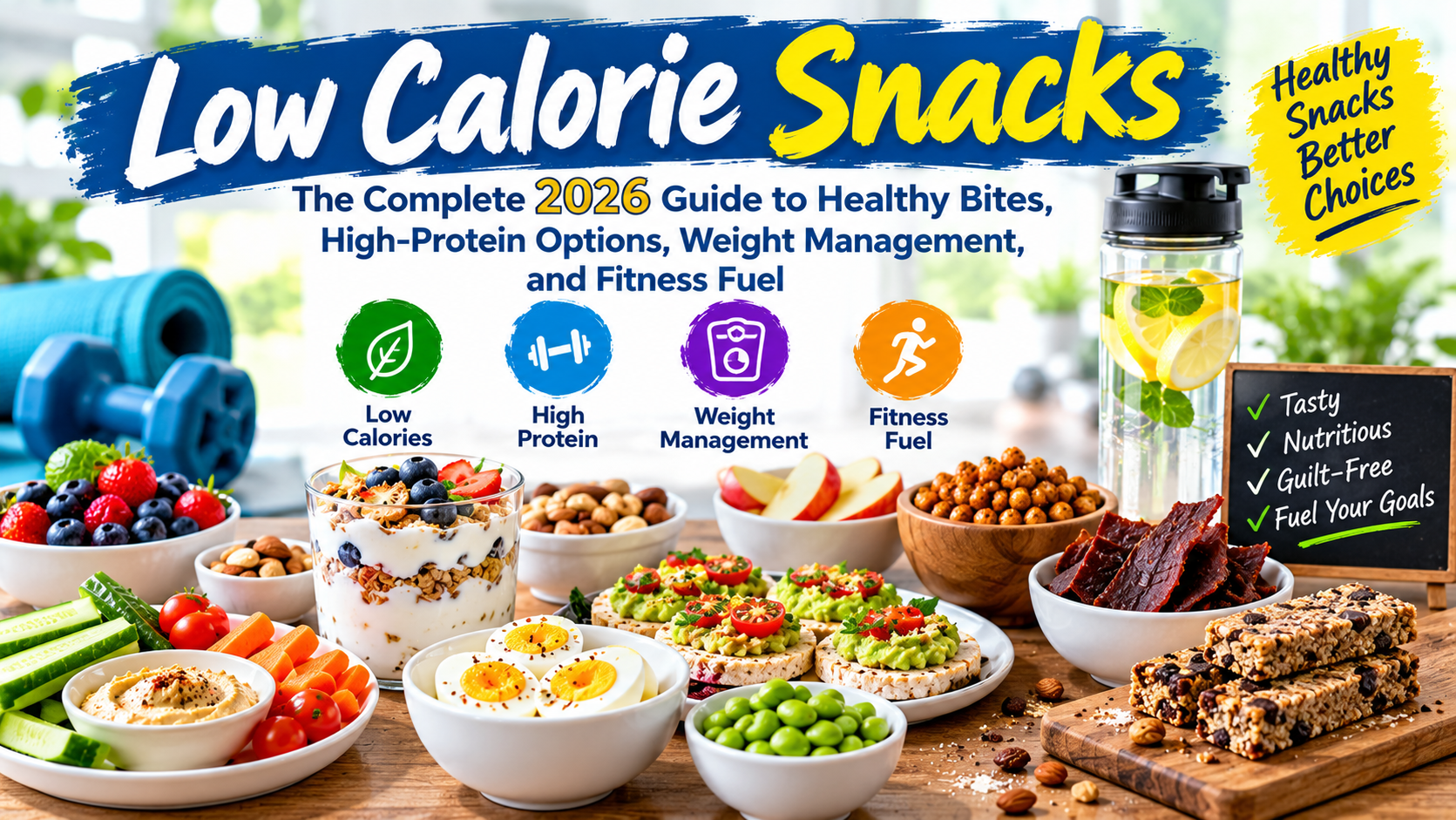
Choosing nutritious snacks can make it easier to manage hunger, maintain energy, and reach fitness goals without feeling deprived. The best snacks combine satisfying flavors with useful nutrients, such as protein, fiber, vitamins, and minerals. Rather than focusing only on calorie counts, consider how a snack fits into your overall diet and activity level.
For people who exercise regularly, snacks can also help bridge the gap between meals, provide energy before a workout, and support recovery afterward. A piece of fruit, a serving of Greek yogurt, or vegetables with hummus can be more satisfying than a small packet of sweets, even when both options appear similar in calories.
This guide explores practical snack ideas, portion sizes, protein-rich choices, pre-workout options, and common mistakes to avoid. Whether your goal is weight management, muscle maintenance, or simply healthier eating, the aim is to find convenient foods you genuinely enjoy.
What Makes a Snack Low in Calories and Nutritious?
Low-calorie snacks provide relatively little energy per serving while contributing nutrients that support your health. Many useful options contain water, fiber, or protein, which can help make a snack more satisfying. Examples include fresh fruit, vegetables, plain popcorn, low-fat yogurt, and boiled eggs.
However, a low calorie count does not automatically make a snack nutritious. A tiny portion of a highly processed food may contain few calories but offer little protein, fiber, or lasting satisfaction. On the other hand, nuts and seeds contain more calories per serving but provide healthy fats, minerals, and other valuable nutrients.
The best choice depends on your needs. If you want something refreshing between meals, fruit or cucumber slices may work well. If you are hungry after strength training, yogurt or an egg may provide more protein. Think of snacks as small parts of your overall nutrition plan rather than isolated numbers on a food label.
Best Low-Calorie Snacks for Everyday Eating

Simple snacks are often the easiest to maintain because they require little preparation and use familiar ingredients. Fresh fruit and vegetables are especially convenient because they provide water, fiber, and micronutrients. Pairing produce with a protein source can make a snack more substantial when you need it to keep you satisfied longer.
Here are practical choices for home, work, school, or travel. Calorie estimates are approximate and depend on portion size, brand, preparation, and added ingredients.
| Snack | Typical serving | Approximate calories | Main benefit |
|---|---|---|---|
| Cucumber slices | 1 cup | 15–20 | Hydration and crunch |
| Strawberries | 1 cup | 45–55 | Vitamin C and fiber |
| Air-popped popcorn | 3 cups | 90–100 | Whole-grain fiber |
| Boiled egg | 1 large | 70–80 | Protein and nutrients |
| Plain nonfat Greek yogurt | 170 g | 90–110 | Protein and calcium |
| Apple | 1 medium | 90–100 | Fiber and convenience |
| Carrot sticks | 1 cup | 45–55 | Beta-carotene and crunch |
| Low-fat cottage cheese | ½ cup | 80–110 | Protein and calcium |
| Edamame, shelled | ½ cup | 90–110 | Plant protein and fiber |
| Plain rice cake | 1 cake | 30–40 | Convenient carbohydrate |
These estimates are guides, not strict limits. If you need more energy because of a physically demanding day or a training session, a larger snack or a combination of foods may be more appropriate.
High-Protein Snacks for Muscle Recovery

Protein helps repair and maintain muscle tissue, making it useful for people who lift weights, participate in sports, or want to preserve muscle during weight loss. Snacks do not need to contain huge amounts of protein to contribute to your daily intake. A serving of Greek yogurt, cottage cheese, edamame, or a boiled egg can help fill the gap between meals.
For example, someone finishing an afternoon workout might choose plain Greek yogurt with berries. The yogurt supplies protein, while the berries add flavor and carbohydrates. Another option is cottage cheese with sliced tomatoes, provided dairy products suit your digestion and preferences.
Remember that total daily protein intake matters more than finding one perfect post-workout snack. Main meals should also contribute protein, and overall energy intake needs to match your activity. If you follow a plant-based diet, options such as edamame, roasted chickpeas in an appropriate portion, or tofu can help provide protein.
Easy Sweet Snacks for Cravings

Sweet cravings can fit into a balanced diet without requiring you to avoid every dessert. Fresh fruit, yogurt with cinnamon, or a small bowl of berries can provide sweetness along with nutrients. Combining fruit with protein, such as yogurt, may also make the snack more filling than eating a small amount of candy alone.
Frozen grapes, sliced apples with a thin spread of peanut butter, and strawberries with plain yogurt are easy options to prepare in advance. Peanut butter and other nut butters contain beneficial nutrients but are calorie-dense, so portion size matters if you are monitoring your energy intake. You do not need to eliminate them entirely.
If you frequently crave sweets late at night, consider whether your earlier meals are substantial enough. Skipping meals or eating too little can increase hunger later in the day. A satisfying meal pattern and planned snack can be more sustainable than relying on willpower to resist hunger.
Savory Snacks That Satisfy Hunger

Savory foods can be useful when you want crunch, saltiness, or something more substantial than fruit. Air-popped popcorn, crunchy vegetables, boiled eggs, and modest portions of hummus are convenient choices. Seasoning with herbs, black pepper, paprika, or lemon juice adds flavor without requiring large amounts of oil or salt.
A common problem with packaged savory snacks is that portions can be easy to underestimate. Eating directly from a large packet makes it harder to notice how much you have consumed. Putting a serving in a bowl and storing the rest away can make portion awareness easier without turning eating into a rigid rule.
Hummus with carrots or cucumber provides a combination of vegetables and plant-based nutrients. If you need a more filling option, add an egg or a suitable protein source. The goal is to match the snack to your hunger rather than choosing the lowest possible calorie count every time.
Best Snacks Before and After a Workout

Before exercise, carbohydrates can provide accessible energy. A banana, a small serving of yogurt with fruit, or a slice of toast may work well, depending on the workout and how much time you have before starting. Larger meals and high-fat or high-fiber snacks may feel uncomfortable immediately before intense activity for some people, so personal tolerance matters.
After exercise, combine protein and carbohydrates when practical, particularly after demanding strength or endurance sessions. Greek yogurt with fruit, cottage cheese with toast, or an egg with a piece of fruit are simple options. You do not need to eat immediately after every workout, but eating enough throughout the day supports recovery.
The right snack depends on your training intensity, duration, body size, and overall food intake. Someone completing a short walk may not need an extra snack, while an athlete finishing a long training session may require substantially more energy than a small low-calorie option provides. Do not let calorie restriction compromise performance or recovery.
How to Build a Balanced Snack Routine

Planning snacks ahead can help when work, study, commuting, or family responsibilities make regular meals difficult. Keep easy options available, such as fruit, yogurt, boiled eggs, or pre-cut vegetables. If refrigeration is unavailable, choose foods that can be stored safely at room temperature and follow food-safety guidance for perishable items.
A useful strategy is to combine at least two complementary foods when a single item is not satisfying enough. Fruit with yogurt adds protein; vegetables with hummus provide crunch and some protein; and an egg with toast supplies protein and carbohydrates. These combinations can help you build a snack around your needs rather than relying on a single food.
As a practical rule, eat when you are hungry and consider whether the snack needs to carry you through a long gap before your next meal. Snacking is optional, not a requirement for everyone. Some people prefer three substantial meals, while others feel better with smaller meals and snacks throughout the day.
Common Mistakes When Choosing Low-Calorie Snacks

One common mistake is choosing snacks based on calories alone. A snack that is too small to satisfy your hunger may lead you to keep searching for food. Including protein, fiber, or a larger volume of nutrient-rich food can make your eating pattern more satisfying.
Another mistake is assuming that products labeled “diet,” “light,” or “low-fat” are automatically the healthiest choices. Some contain added sugar or provide little nutritional value, while ordinary foods such as fruit, eggs, or plain yogurt may be better suited to your needs. Compare serving sizes and nutrition labels rather than relying only on marketing claims.
Finally, avoid treating snacks as something you must earn through exercise. Food supports everyday functioning, concentration, and recovery. A flexible approach that includes foods you enjoy is generally easier to maintain than one based on strict rules or guilt.
Frequently Asked Questions About Low-Calorie Snacking
What are the best low calorie snacks for weight loss?
Fruit, vegetables, plain Greek yogurt, boiled eggs, and air-popped popcorn are useful options for many people. Choose foods that help manage hunger while providing nutrients, and remember that weight loss depends on your overall eating pattern and energy balance rather than one particular snack.
Which snacks are low in calories but high in protein?
Plain nonfat Greek yogurt, cottage cheese, boiled eggs, and edamame provide protein in relatively modest portions. Exact calorie and protein amounts vary by serving size and brand. Combining these foods with fruit or vegetables can make a more balanced snack.
Are low-calorie snacks good before a workout?
They can be, especially when they provide easily tolerated carbohydrates. A banana, a small yogurt, or toast may work before exercise, depending on your needs and timing. For longer or more intense workouts, a small snack may not provide enough energy, so adjust your intake accordingly.
Can I eat snacks every day and still lose weight?
Yes. Daily snacking can fit into a weight-management plan if your overall food intake meets your needs and supports your goals. Snacks are not inherently responsible for weight gain; portion sizes, food choices, activity, and total energy intake all contribute.
Are fruits good snacks when managing calorie intake?
Yes. Whole fruits such as apples, berries, oranges, and bananas provide vitamins, minerals, water, and fiber. They also offer natural sweetness, making them convenient alternatives to some highly processed sweets. Pair fruit with yogurt or another protein source when you want a more filling snack.
Is popcorn a healthy snack?
Plain air-popped popcorn is a whole-grain snack that provides fiber and can offer a substantial volume for relatively few calories. Added butter, oil, cheese, and sugary coatings increase its calorie content, so preparation and portion size influence its nutritional value.
How many calories should a snack contain?
There is no universal calorie target for snacks. Your needs depend on age, body size, activity level, health, hunger, and the size of your main meals. Rather than forcing every snack into a strict calorie limit, choose a portion that fits your overall nutritional needs.
Conclusion: Make Smart Snacking Part of Your Fitness Routine
The best low calorie snacks are convenient, enjoyable, and nutritious enough to support your daily needs. Fruit, vegetables, yogurt, eggs, popcorn, and other simple foods can help satisfy hunger while contributing protein, fiber, vitamins, and minerals.
For fitness enthusiasts, the right snack can also support workout energy and recovery. Focus on appropriate portions, balanced combinations, and foods you genuinely enjoy instead of chasing the lowest possible calorie count.
The key takeaway: Healthy snacking is about more than eating less. It is about making food choices that help you feel satisfied, stay energized, and maintain habits that support your long-term fitness and well-being.