


Strong forearms contribute to more than an impressive physique. They help you hold heavier weights, control everyday objects, perform pulling exercises, and maintain a secure grip during sports and physical activities. Yet forearm training is often overlooked in favour of larger muscle groups such as the chest, back, and biceps.
Wrist curls are a simple, effective isolation exercise that targets the muscles responsible for bending the wrist. They require minimal equipment, can be performed at home or in the gym, and fit easily into most strength-training programmes. When performed correctly, they can help develop the wrist flexors, improve muscular endurance, and support more balanced forearm development.
Understanding the correct technique, suitable resistance, training volume, and common mistakes is essential. This guide explains how to get meaningful results while protecting your wrists from unnecessary strain.
What Are Wrist Curls?
Wrist curls are an isolation exercise that primarily strengthens the wrist flexor muscles on the palm side of your forearm. You perform the movement by holding a dumbbell or barbell, keeping your forearm supported, and slowly bending your wrist to raise the weight before lowering it under control.
Unlike biceps curls, which involve bending the elbow, this exercise focuses on movement at the wrist joint. The forearm remains relatively stationary while the hand moves through a controlled range of motion. This makes the exercise useful for targeting muscles that contribute to wrist flexion and grip-related activities.
The movement is particularly valuable for people who want stronger forearms, improved muscular balance, or additional assistance with exercises such as deadlifts, rows, and pull-ups. However, it should complement a broader programme rather than replace compound strength exercises.
Muscles Worked During Wrist Curls
The main muscles involved are the wrist flexors, a group of muscles located along the inner forearm. These muscles help bend the wrist towards the palm and contribute to controlling the hand during gripping movements.
The flexor carpi radialis and flexor carpi ulnaris are two important contributors. The palmaris longus, when present, and the finger flexor muscles also assist with wrist and hand function. The finger flexors are particularly relevant because they help maintain a firm grip around dumbbells, barbells, and other objects.
Although the exercise mainly targets the front of the forearm, balanced development also requires training the wrist extensors on the opposite side. Reverse wrist curls and other forearm exercises can help address this balance.
How to Perform Wrist Curls With Proper Form
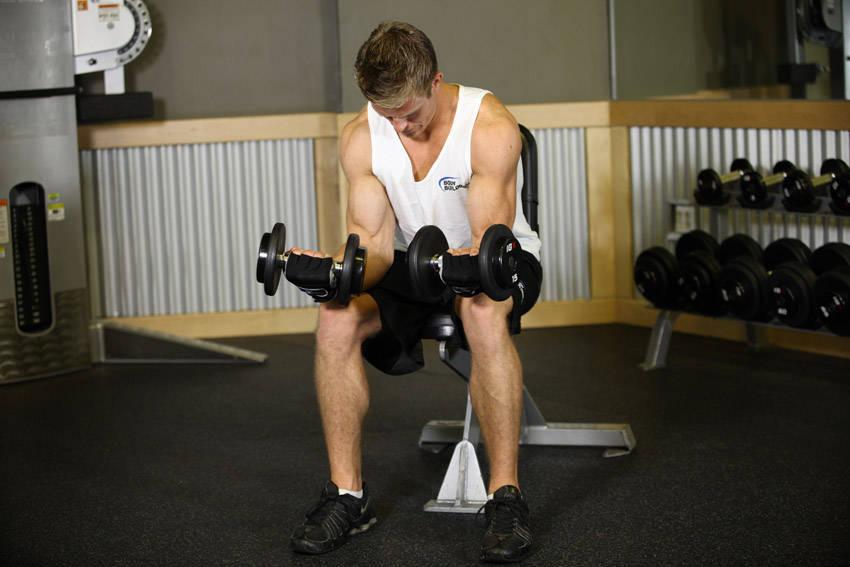
Correct technique matters more than lifting a heavy weight. Because the wrist is a relatively small joint, using excessive resistance or uncontrolled movement can create unnecessary stress.
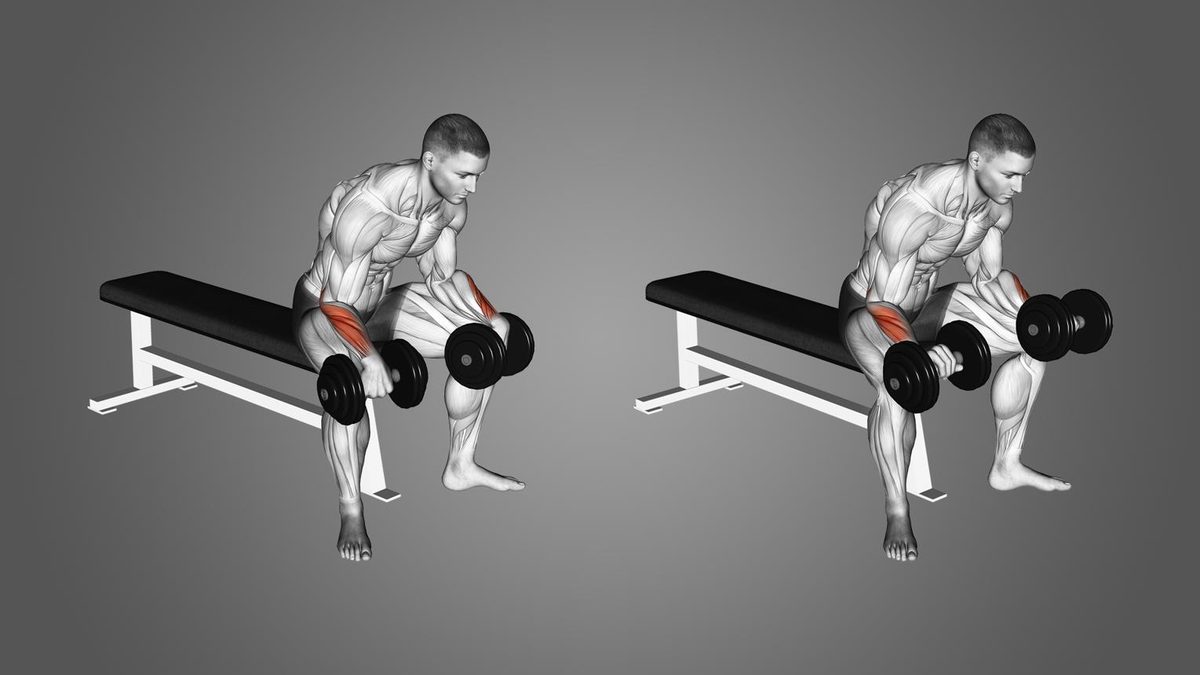
To perform the seated dumbbell variation:
- Sit on a bench with your feet flat on the floor.
- Hold a light dumbbell in one hand with your palm facing upwards.
- Rest your forearm along your thigh or on a bench, allowing your wrist to extend slightly beyond the edge.
- Keep your elbow and forearm stable throughout the movement.
- Slowly lower the dumbbell by extending your wrist within a comfortable range.
- Curl your wrist upwards, bringing your palm towards your forearm.
- Pause briefly at the top, then lower the weight slowly.
Avoid swinging your arm or using momentum to lift the dumbbell. The movement should come from your wrist, not your elbow or shoulder. Start with a manageable resistance and focus on smooth repetitions.
A useful coaching principle is: “Move the wrist, not the whole arm.” Keeping the forearm supported makes it easier to isolate the target muscles and recognise when technique begins to deteriorate.
Best Variations for Forearm Development

Dumbbells are convenient, but changing the equipment or position can introduce different training challenges. A barbell variation allows both hands to work together and can make it easier to increase resistance gradually. However, some people find a straight bar uncomfortable, so a lighter dumbbell or suitable alternative may be preferable.
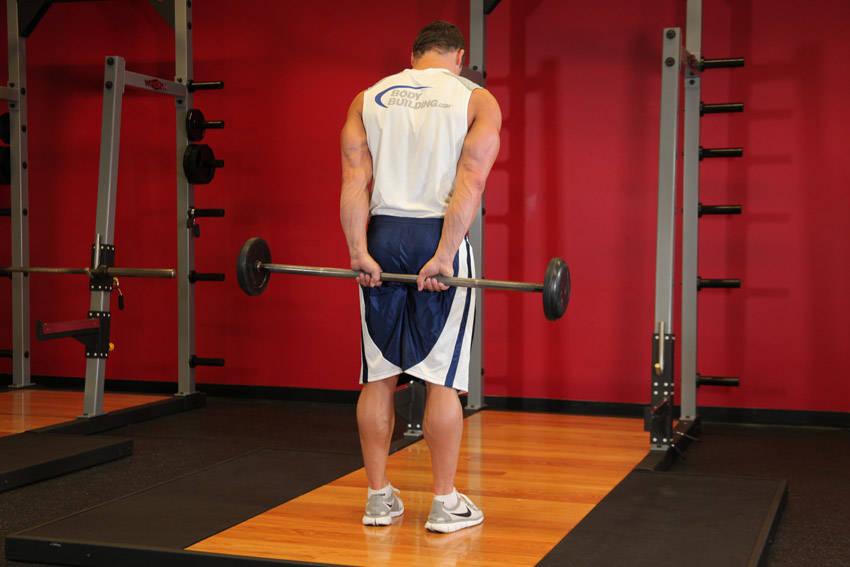
Behind-the-back wrist curls place the hands behind the body while holding a barbell. This position changes the starting wrist angle and can provide a different stimulus, but it should only be used if the shoulders and wrists feel comfortable. Never force the movement into an uncomfortable position.
Reverse wrist curls use a palms-down grip and target the wrist extensors. They are a useful complement because they train the opposite side of the forearm. Other helpful exercises include farmer’s carries, dead hangs, and controlled grip holds, which challenge the hands and forearms in more functional ways.
Wrist Curl Training Sets, Reps, and Weight
The right training volume depends on your experience, recovery, and wider programme. Beginners generally benefit from starting with two sets of 12–15 controlled repetitions using a light weight. More experienced lifters may use two to four sets of 10–20 repetitions, provided they can maintain good technique.
| Training goal | Sets | Reps | Suggested approach |
|---|---|---|---|
| Beginner technique | 2 | 12–15 | Light resistance, slow movement |
| Muscle growth | 3–4 | 10–15 | Controlled repetitions, challenging weight |
| Muscular endurance | 2–3 | 15–20 | Lighter resistance, consistent tempo |
| General strength support | 2–3 | 8–12 | Gradual progression without straining |
These are practical starting ranges, not mandatory prescriptions. Your forearms already work during many pulling and gripping exercises, so additional volume should account for the demands of your existing routine.
Train the wrist flexors once or twice weekly initially, allowing sufficient recovery between demanding sessions. If your grip performance declines, your wrists remain sore, or your forearms feel unusually fatigued, reduce the workload.
Common Mistakes and How to Correct Them
One frequent mistake is choosing a weight that is too heavy. When the resistance exceeds your ability to control it, you may start bouncing the dumbbell, lifting your forearm, or shortening the range of motion. The solution is simple: reduce the weight and prioritise controlled repetitions.
Another problem is moving the elbow instead of isolating the wrist. This changes the exercise and reduces its effectiveness as a forearm isolation movement. Keep your forearm supported and avoid unnecessary arm movement.
Some lifters also lower the weight too quickly or force their wrists into an extreme stretch. A controlled lowering phase helps maintain muscular tension, while a comfortable range of motion reduces unnecessary joint stress. Stop if you experience sharp pain, tingling, numbness, or unusual discomfort rather than trying to train through it.
Benefits of Adding Wrist Curls to Your Workout
Stronger wrist flexors can support gripping activities, including holding dumbbells, carrying shopping bags, using tools, and performing resistance exercises. Developing the forearms may also improve your ability to maintain a secure hold during rows, deadlifts, and other pulling movements.
The exercise can contribute to forearm muscle development when combined with progressive resistance, sufficient protein, and appropriate recovery. It is also accessible: a pair of dumbbells or a barbell is enough to perform the basic movement.
However, stronger forearms do not automatically guarantee a stronger overall grip. Grip performance also depends on finger flexors, hand size, technique, and the type of task being performed. A complete forearm routine should therefore include wrist flexion, wrist extension, and gripping movements.
How to Include Them in a Balanced Forearm Workout
A balanced routine trains the muscles that bend and extend the wrist, as well as those responsible for gripping and stabilising objects. Pairing wrist curls with reverse wrist curls is a straightforward way to cover both sides of the forearm.
For example, after your main upper-body workout, you could perform three sets of wrist curls, two sets of reverse wrist curls, and two controlled farmer’s carries. Start with modest volume, especially if your programme already includes heavy rows, pull-ups, or deadlifts.
Consistency is more useful than adding numerous exercises at once. Increase resistance only when you can complete every repetition with stable positioning and no discomfort. If you have a history of wrist injuries or persistent pain, seek guidance from a qualified healthcare professional before adding direct forearm training.
FAQs About Wrist Curls
Are wrist curls good for building bigger forearms?
Yes. They directly train the wrist flexor muscles, which contribute to forearm size. For noticeable development, combine consistent training with gradual resistance increases, adequate nutrition, and recovery. Include wrist extensor and grip exercises for more balanced development.
How many wrist curls should beginners do?
Beginners can start with two sets of 12–15 repetitions using a light dumbbell. Focus on controlled movement and a comfortable range of motion before increasing the resistance. Allow time to assess how your wrists and forearms recover.
Should I perform wrist curls every day?
Daily training is generally unnecessary. Your forearms already receive work during many pulling and gripping exercises, so one or two dedicated sessions per week may be sufficient. Recovery needs vary according to training experience and total workload.
Are dumbbells or barbells better for wrist curls?
Both can be effective. Dumbbells allow each hand to work independently and may feel more comfortable for people with different wrist mobility. Barbells let both hands move together and can make loading convenient. Choose the equipment that allows controlled, pain-free movement.
Do wrist curls improve grip strength?
They can support grip development by strengthening muscles involved in wrist and finger flexion. However, they are not a complete grip-training solution. Farmer’s carries, dead hangs, and other gripping exercises provide additional challenges.
Why do my wrists hurt during wrist curls?
Pain can result from excessive resistance, poor positioning, limited mobility, or an existing wrist problem. Reduce the weight, use a comfortable range of motion, and avoid forcing the stretch. Persistent pain, swelling, numbness, or tingling should be assessed by a healthcare professional.
Conclusion
Wrist curls offer a practical way to strengthen the forearm muscles responsible for wrist flexion. With proper technique, sensible resistance, and consistent training, they can contribute to forearm development and support gripping activities in the gym and everyday life.
The best results come from treating forearm training as part of a balanced strength programme. Combine wrist flexion with reverse movements and grip exercises, increase resistance gradually, and give your muscles time to recover. Ultimately, controlled repetitions and consistent progress matter far more than lifting the heaviest weight possible.