Introduction
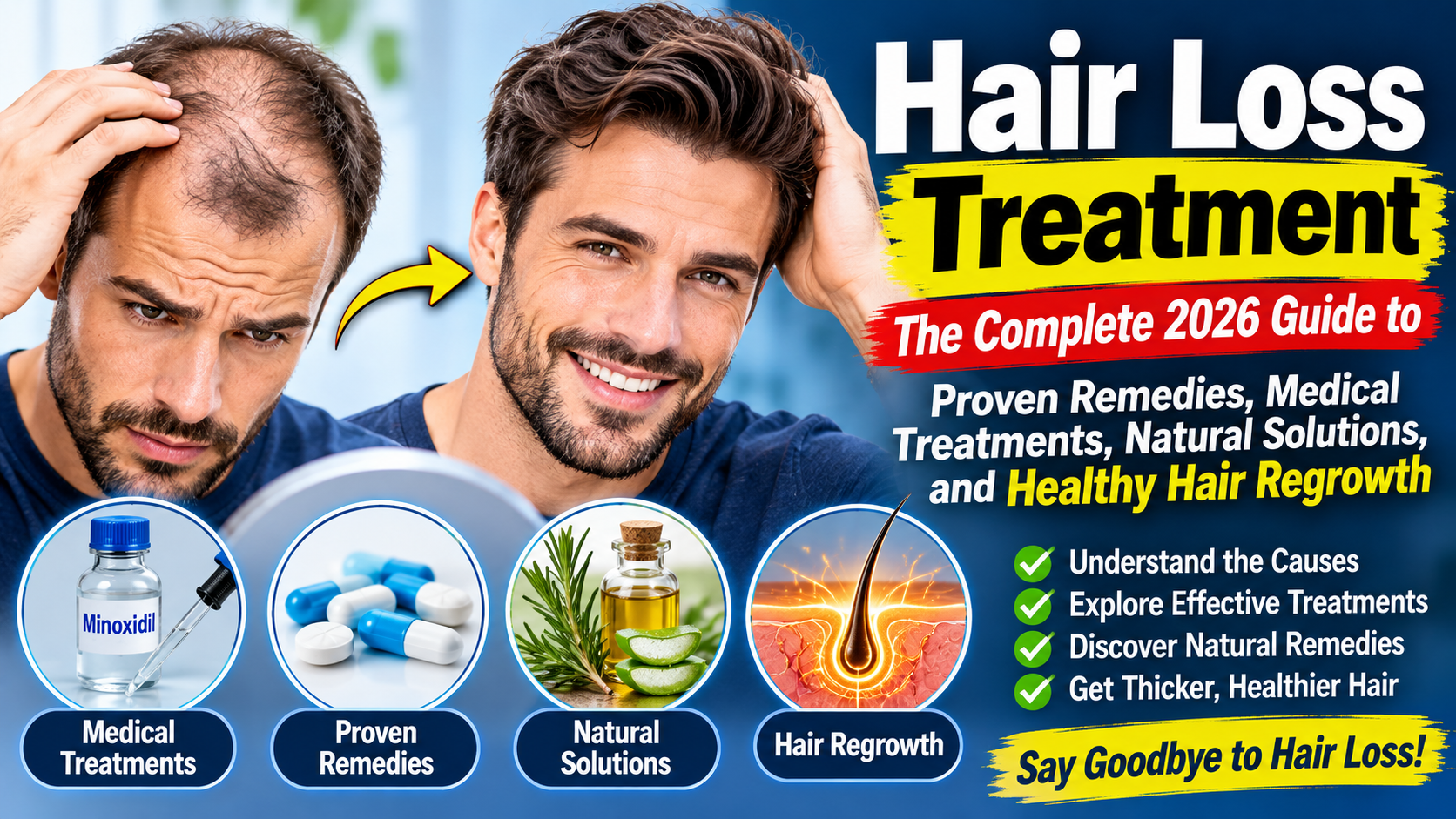
Hair thinning and excessive shedding can affect confidence, appearance, and emotional well-being. Whether someone notices a widening part, a receding hairline, thinning around the crown, or more strands falling out during showering, understanding the underlying cause is the first step toward healthier hair.
The good news is that several evidence-based options can slow hair loss, improve hair density, and encourage regrowth in suitable individuals. However, results depend on the type of hair loss, its severity, the person’s age, genetics, medical history, and how early treatment begins.
An effective hair loss treatment plan should address the underlying problem rather than simply focusing on cosmetic appearance. Options range from topical medications and prescription drugs to nutritional correction, scalp care, and hair transplantation.
This guide explains common causes of hair loss, medically supported treatments, natural approaches, expected results, and practical ways to protect long-term hair health.
What Causes Hair Loss?
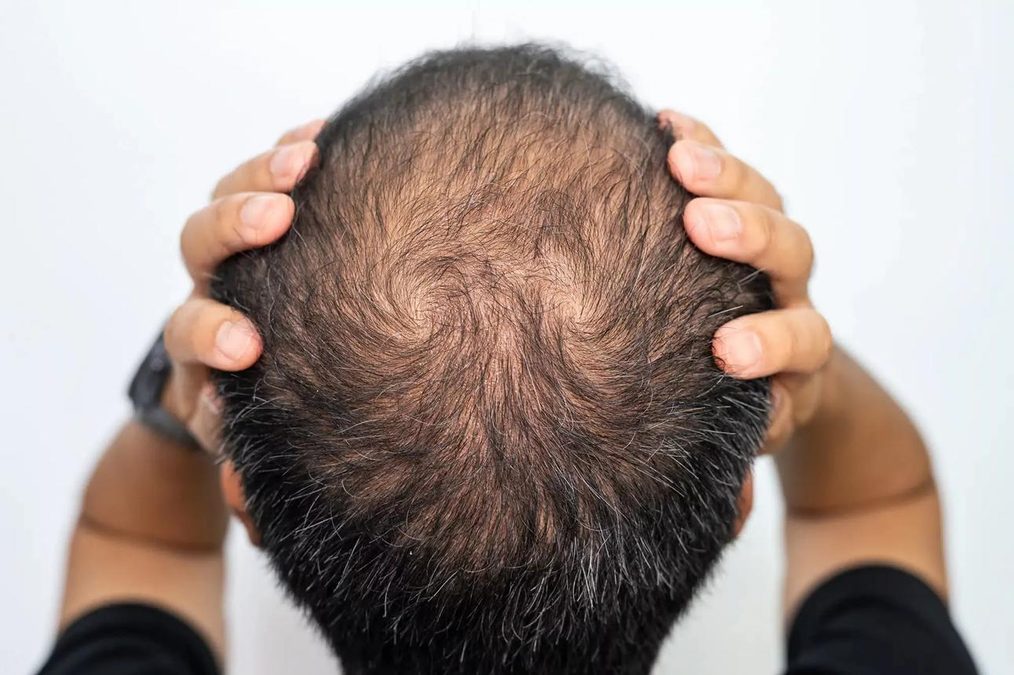
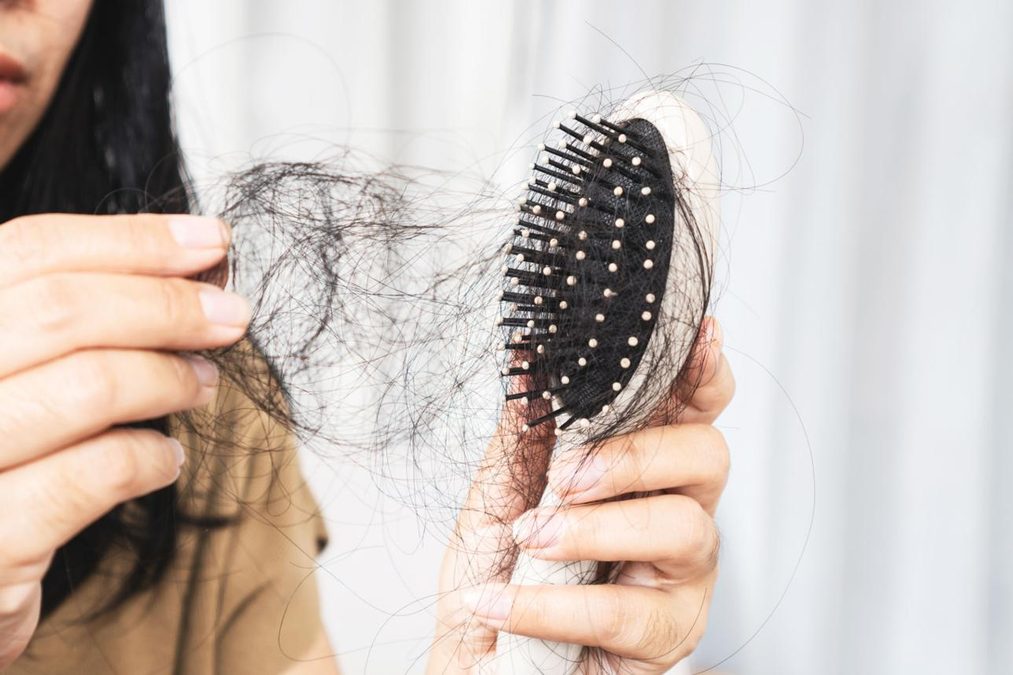
Hair loss, medically known as alopecia, occurs when hair follicles produce fewer hairs, enter resting phases prematurely, or become permanently damaged. Normal hair growth follows a cycle involving growth (anagen), transition (catagen), and resting (telogen) phases. Losing approximately 50–100 hairs daily is generally considered normal, although individual shedding varies.
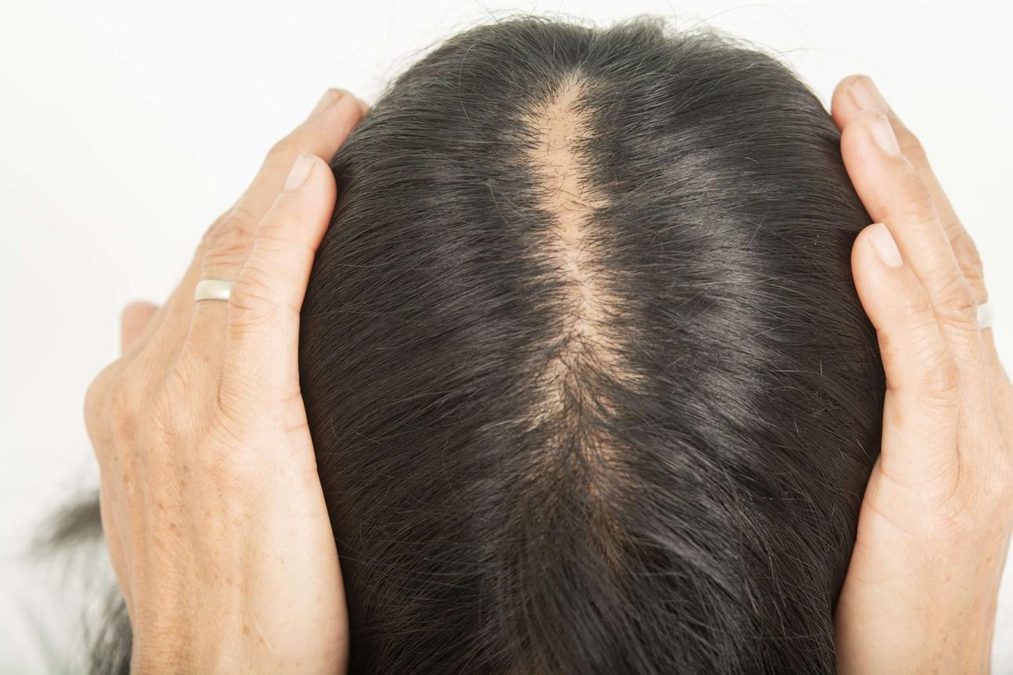
Several factors can disrupt this cycle. Genetics and hormonal changes are among the most common causes, particularly androgenetic alopecia, also known as male or female pattern hair loss. In this condition, genetically sensitive follicles gradually shrink, producing shorter and finer hairs.
Other possible causes include:
- Hormonal changes: Pregnancy, menopause, thyroid disorders, and hormonal imbalances.
- Nutritional deficiencies: Low iron, inadequate protein intake, and certain vitamin deficiencies.
- Physical or emotional stress: Severe illness, surgery, rapid weight loss, or significant psychological stress.
- Medical conditions: Alopecia areata, scalp infections, and autoimmune disorders.
- Medications: Certain cancer treatments, blood thinners, and other prescription medicines.
- Hair damage: Tight hairstyles, excessive heat, bleaching, and chemical treatments.
Identifying the cause matters because treatments that work for genetic hair thinning may not be appropriate for temporary stress-related shedding or inflammatory scalp conditions.
Best Medical Hair Loss Treatment Options
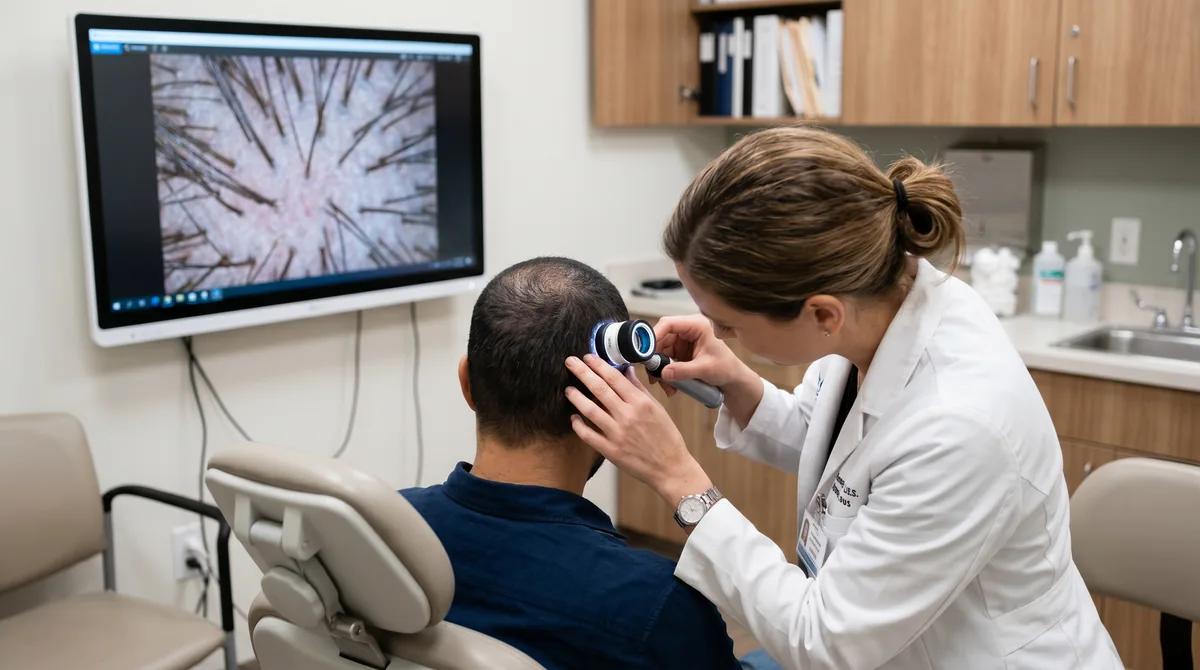
Medical treatments can slow follicle miniaturization, stimulate growth, or address specific conditions responsible for shedding. Dermatologists generally select therapies according to the diagnosis, pattern of thinning, and individual health considerations.
The most established options include topical minoxidil and prescription medications such as finasteride. Some patients may also benefit from other treatments under specialist supervision.
Minoxidil for Hair Regrowth
Minoxidil is one of the most widely used medications for pattern hair loss. Available in topical solutions and foams, it can help stimulate hair growth and increase the size of miniaturized follicles.
It is commonly used for male and female pattern hair loss. Depending on the formulation and individual circumstances, treatment may involve once- or twice-daily application.
Results generally require several months of consistent use. Some people experience temporary increased shedding when beginning treatment as hair follicles transition through their growth cycles.
Possible side effects include scalp irritation, itching, dryness, and unwanted facial hair growth. Oral minoxidil is sometimes prescribed off-label by specialists, but it requires medical supervision because it can affect blood pressure, heart rate, and fluid balance.
Finasteride for Male Pattern Hair Loss
Finasteride is a prescription medication primarily used to treat male pattern baldness. It works by reducing the conversion of testosterone into dihydrotestosterone (DHT), a hormone associated with follicle miniaturization in genetically susceptible individuals.
It can slow hair loss and improve hair density, particularly around the crown and mid-scalp. Benefits generally require ongoing treatment and may take several months to become noticeable.
Potential adverse effects include reduced libido, erectile difficulties, and changes in ejaculation. Mood-related concerns have also been reported. Patients should discuss benefits, risks, and appropriate monitoring with their healthcare professional. Finasteride is not appropriate during pregnancy, and handling precautions apply to pregnant individuals.
Other Prescription Treatments
Depending on the diagnosis, dermatologists may consider other options. Spironolactone is sometimes prescribed off-label for female pattern hair loss, while corticosteroids may be used for certain inflammatory or autoimmune hair-loss conditions, including alopecia areata.
Newer prescription therapies, including JAK inhibitors, are available for selected patients with severe alopecia areata. These treatments require specialist assessment because their benefits, monitoring requirements, and potential risks differ considerably.
Natural Remedies and Lifestyle Changes for Healthier Hair



Natural approaches can support scalp health and help address lifestyle factors associated with hair shedding. However, they should not be confused with proven medical therapies. No natural oil or supplement has been demonstrated to reliably reverse advanced genetic baldness.
A balanced diet is particularly important. Hair follicles require protein, iron, zinc, and other nutrients to support normal growth. People with restrictive diets or nutritional deficiencies may experience increased shedding.
Improve Protein and Iron Intake
Hair is primarily composed of a structural protein called keratin. Insufficient protein intake can interfere with normal hair production.
Good dietary sources include eggs, fish, chicken, beans, lentils, dairy products, and nuts. Iron-rich foods such as lean meat, spinach, and legumes can also support healthy hair growth.
Iron supplementation should only be used when a deficiency is identified or a healthcare professional recommends it. Excessive iron intake can be harmful.
Consider Scalp Massage and Gentle Hair Care
Gentle scalp massage may improve relaxation and is sometimes suggested as a supportive hair-care practice. However, evidence that it produces meaningful regrowth remains limited.
Avoid aggressive brushing, tight ponytails, frequent bleaching, and excessive heat styling. These habits can contribute to hair breakage and traction alopecia, which is hair loss caused by repeated tension on the follicles.
Understand the Limits of Rosemary Oil and Other Remedies
Rosemary oil has attracted attention because of limited research exploring its potential effects on hair growth. However, available evidence is insufficient to establish it as an equivalent alternative to minoxidil.
Essential oils can also cause allergic reactions or scalp irritation. They should be appropriately diluted and patch-tested before use.
Hair Loss Treatment for Men and Women

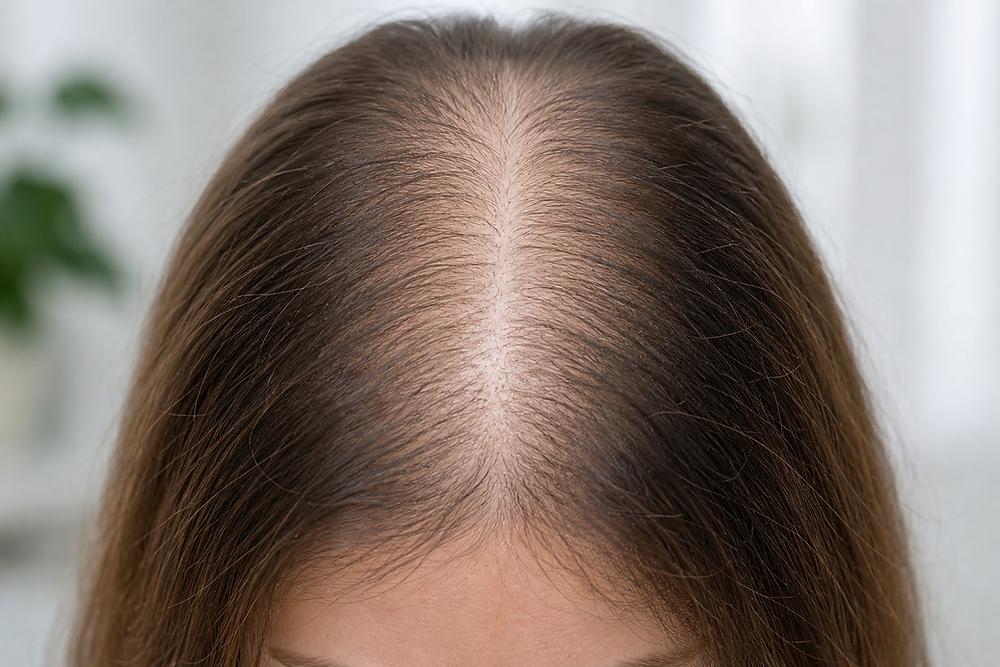
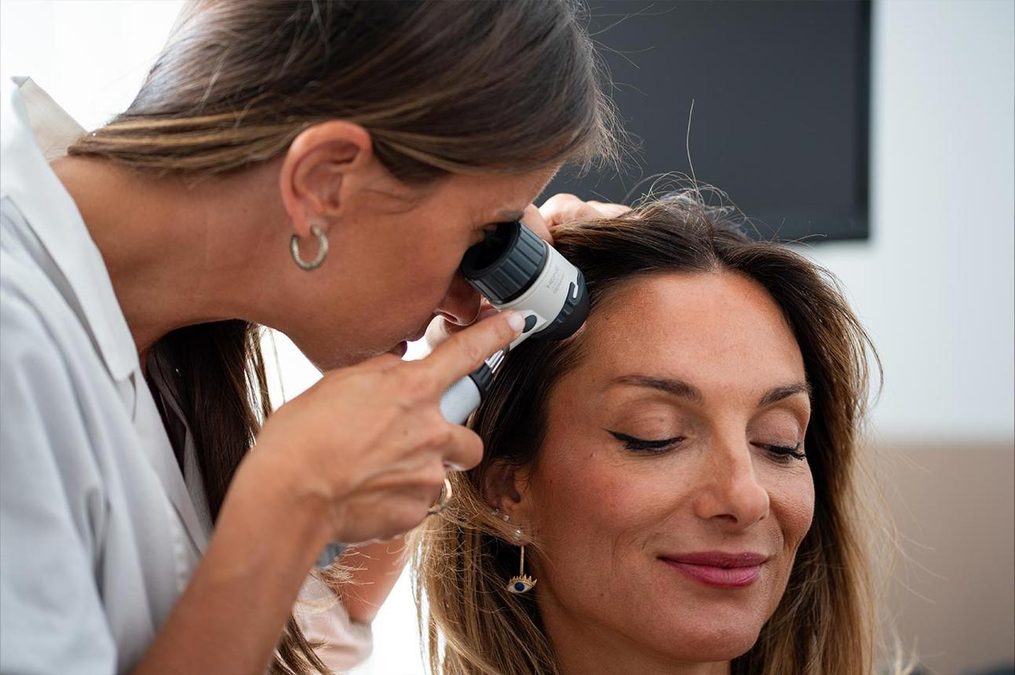
Hair thinning affects men and women differently, which means treatment should reflect the underlying pattern and hormonal factors. Men commonly experience recession around the temples and thinning at the crown, while women often notice a wider central part and reduced hair density across the scalp.
For men with androgenetic alopecia, minoxidil and finasteride are among the best-established medical options. Some patients benefit from using both under medical guidance because they work through different mechanisms. Early intervention can help preserve existing follicles before substantial miniaturization occurs.
Women may benefit from topical minoxidil, while selected patients may receive prescription treatments such as spironolactone. However, pregnancy, breastfeeding, hormonal conditions, and individual medical history influence which medications are appropriate. Women who are pregnant, planning pregnancy, or breastfeeding should consult a healthcare professional before using hair-growth medications.
The most suitable hair loss treatment depends on whether thinning is genetic, hormonal, nutritional, inflammatory, or temporary. A dermatologist can distinguish these conditions and recommend an appropriate plan. American Academy of Dermatology+2
Hair Transplant Surgery and Advanced Hair Restoration

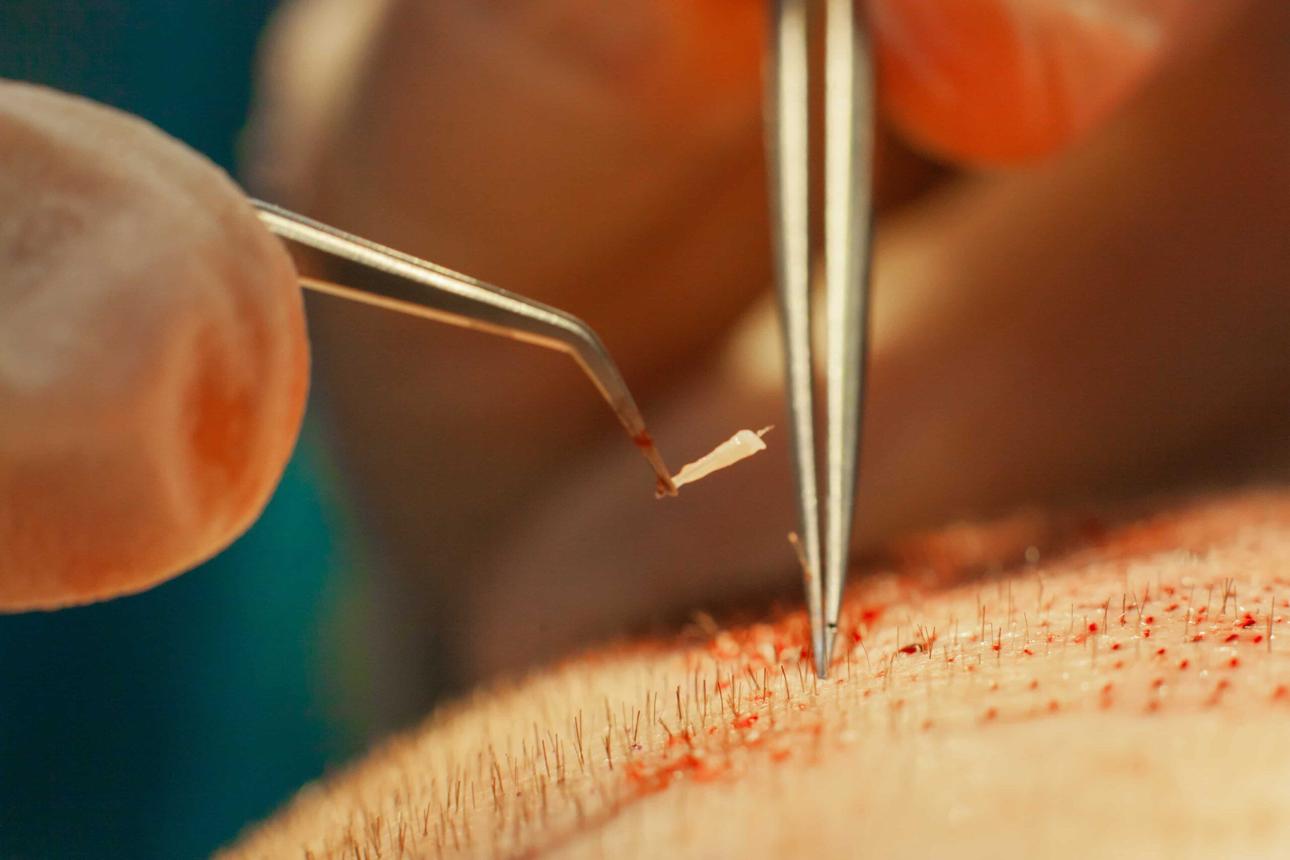
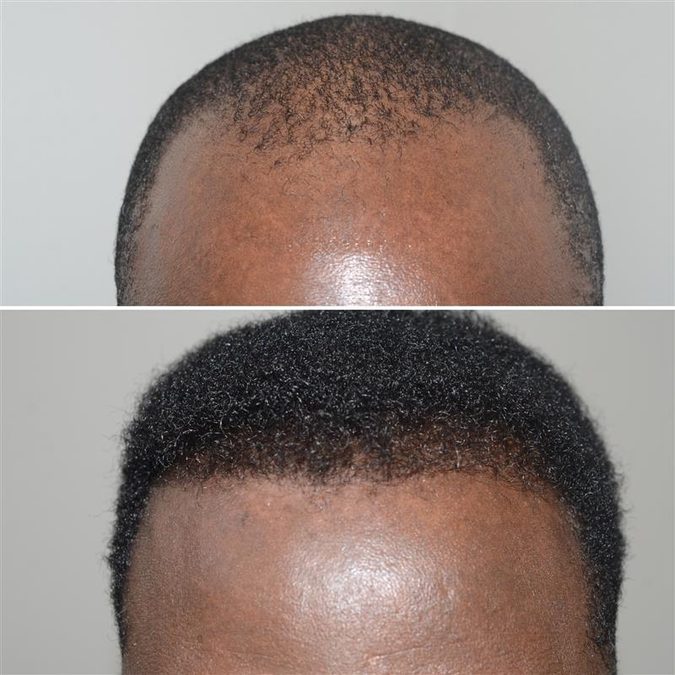
Hair transplantation is a surgical option for selected people with permanent pattern baldness. The procedure involves moving healthy hair follicles from a donor area, usually the back or sides of the scalp, into areas affected by thinning.
Two commonly used techniques are Follicular Unit Extraction (FUE) and Follicular Unit Transplantation (FUT). FUE involves removing individual follicular units, while FUT involves removing a strip of scalp that is divided into smaller grafts. Both techniques require careful planning to achieve natural-looking density and an appropriate hairline.
Hair transplantation does not prevent existing untreated hair from thinning. Patients may therefore need ongoing medical management to protect their remaining natural hair. It is also not generally suitable for conditions such as active alopecia areata.
Other advanced approaches include platelet-rich plasma (PRP) injections and low-level laser therapy. PRP uses a concentrated preparation of a patient’s own blood platelets, while low-level laser devices aim to stimulate follicular activity. Evidence varies, and neither should be presented as a guaranteed replacement for established medical treatments.
How to Choose the Right Hair Regrowth Treatment
Selecting a suitable treatment starts with identifying the type and severity of hair loss. A person experiencing sudden shedding after an illness may need a very different approach from someone with gradually receding temples caused by hereditary factors.
The American Academy of Dermatology emphasizes this principle: “The key to treating hair loss is to find out what’s causing it.” American Academy of Dermatology+1 This is why purchasing multiple hair-growth products without a diagnosis can waste money and delay appropriate care.
The following table compares common options and their typical uses.
| Treatment | Main purpose | Important consideration |
|---|---|---|
| Topical minoxidil | Stimulates hair growth | Requires continued use |
| Finasteride | Reduces DHT-related follicle miniaturization | Prescription and potential side effects |
| Spironolactone | Helps selected women with pattern thinning | Requires medical supervision |
| Corticosteroids | Treat certain inflammatory or autoimmune conditions | Depends on diagnosis |
| PRP therapy | May improve hair density in selected patients | Evidence and protocols vary |
| Low-level laser therapy | May support follicular activity | Results are not guaranteed |
| Hair transplantation | Moves follicles into thinning areas | Surgical procedure with eligibility requirements |
A dermatologist may also recommend blood tests to investigate iron deficiency, thyroid dysfunction, or other suspected medical contributors. Scalp examination, medical history, and occasionally a biopsy can help establish the diagnosis. American Academy of Dermatology+2
How Long Does Hair Regrowth Take?
Hair restoration requires patience because follicles follow biological growth cycles. Even when a treatment is effective, visible changes usually take several months rather than a few weeks.
Topical minoxidil may require six to twelve months for noticeable improvement. Finasteride also takes time, with results often assessed after several months of consistent use. Hair transplantation has a different recovery timeline: transplanted hairs commonly shed initially, while new growth develops gradually over subsequent months.
Consistency is essential. Stopping an effective maintenance medication can lead to the loss of its benefits, allowing previously controlled thinning to progress again. American Academy of Dermatology
People should also take standardized photographs under similar lighting every few months. This can make gradual changes easier to recognize than relying on daily observations in the mirror.
When Should You See a Dermatologist?
Not every case of shedding requires medication, but certain symptoms deserve professional evaluation. Sudden hair loss, rapidly expanding bald patches, scalp pain, persistent itching, redness, scaling, or visible scarring can indicate conditions that need specific treatment.
Early medical assessment is particularly important when hair follicles may be permanently damaged by inflammatory or scarring conditions. Delaying treatment can reduce the possibility of regrowth in affected areas.
A dermatologist can evaluate your scalp, examine hair density, review medication history, and recommend relevant laboratory investigations. If hair loss is affecting confidence or emotional well-being, that concern also deserves attention.
Avoid relying exclusively on commercial hair clinics or products promising guaranteed results. A proper diagnosis should come before expensive procedures or long-term medication decisions.
Frequently Asked Questions
What is the most effective hair loss treatment?
Topical minoxidil is one of the most established options for pattern hair loss, while finasteride is another effective medication for suitable men. The best choice depends on the cause, severity, and individual health circumstances. Some patients benefit from combining treatments under dermatological supervision.
Can hair grow back after significant thinning?
Yes, regrowth is possible in many cases, particularly when follicles remain active and the underlying cause is treatable. Temporary shedding caused by stress, illness, or nutritional deficiencies may improve after the trigger is corrected. However, advanced genetic baldness and scarring alopecia can be more difficult to reverse.
Does minoxidil really help with hair regrowth?
Minoxidil can stimulate growth, improve hair density, and slow further thinning in some people. Results generally require consistent application for six to twelve months. Continued use is usually necessary to maintain the benefits.
What vitamins help prevent hair loss?
Iron, zinc, vitamin D, vitamin B12, and adequate protein are important for normal hair health. However, supplements are most useful when an actual deficiency exists. Taking excessive amounts of certain nutrients, including vitamin A and selenium, can actually contribute to hair loss.
Is hair loss caused by stress reversible?
Stress-related hair shedding, known as telogen effluvium, is often temporary. It can occur several months after a major illness, emotional stress, surgery, or significant weight loss. Once the triggering factor is addressed, hair growth commonly improves over the following months.
Can women use minoxidil for hair thinning?
Yes, topical minoxidil is an established treatment for female pattern hair loss. Different formulations have different application instructions. Women who are pregnant, planning pregnancy, or breastfeeding should avoid it unless specifically advised otherwise by their healthcare professional.
Does a hair transplant permanently stop baldness?
A hair transplant can provide long-lasting growth from transplanted follicles, but it does not prevent untreated natural hair from continuing to thin. Patients may require ongoing medical treatment to maintain their overall hair density.
How can I stop hair loss naturally?
Maintaining a balanced diet, consuming sufficient protein, correcting nutritional deficiencies, avoiding tight hairstyles, and reducing excessive heat styling can support healthy hair. However, natural remedies alone cannot reliably reverse hereditary baldness, and persistent shedding should be evaluated by a dermatologist.
Conclusion
Hair thinning and excessive shedding can be frustrating, but understanding their causes creates opportunities for effective management. From topical minoxidil and prescription medications to nutritional improvements, scalp care, PRP therapy, and hair transplantation, several options can help people maintain or improve hair density.
The most effective hair loss treatment is not necessarily the most expensive product or the latest cosmetic procedure. It is the approach that addresses the underlying cause, suits individual health requirements, and can be followed consistently over time.
Early diagnosis, realistic expectations, and professional guidance make a significant difference. Rather than experimenting with multiple products or relying on unverified remedies, focus on evidence-based solutions and healthy daily habits.
The final takeaway is simple: healthier hair begins with a healthier scalp, an accurate diagnosis, and a treatment plan built around the needs of your hair follicles.