Introduction
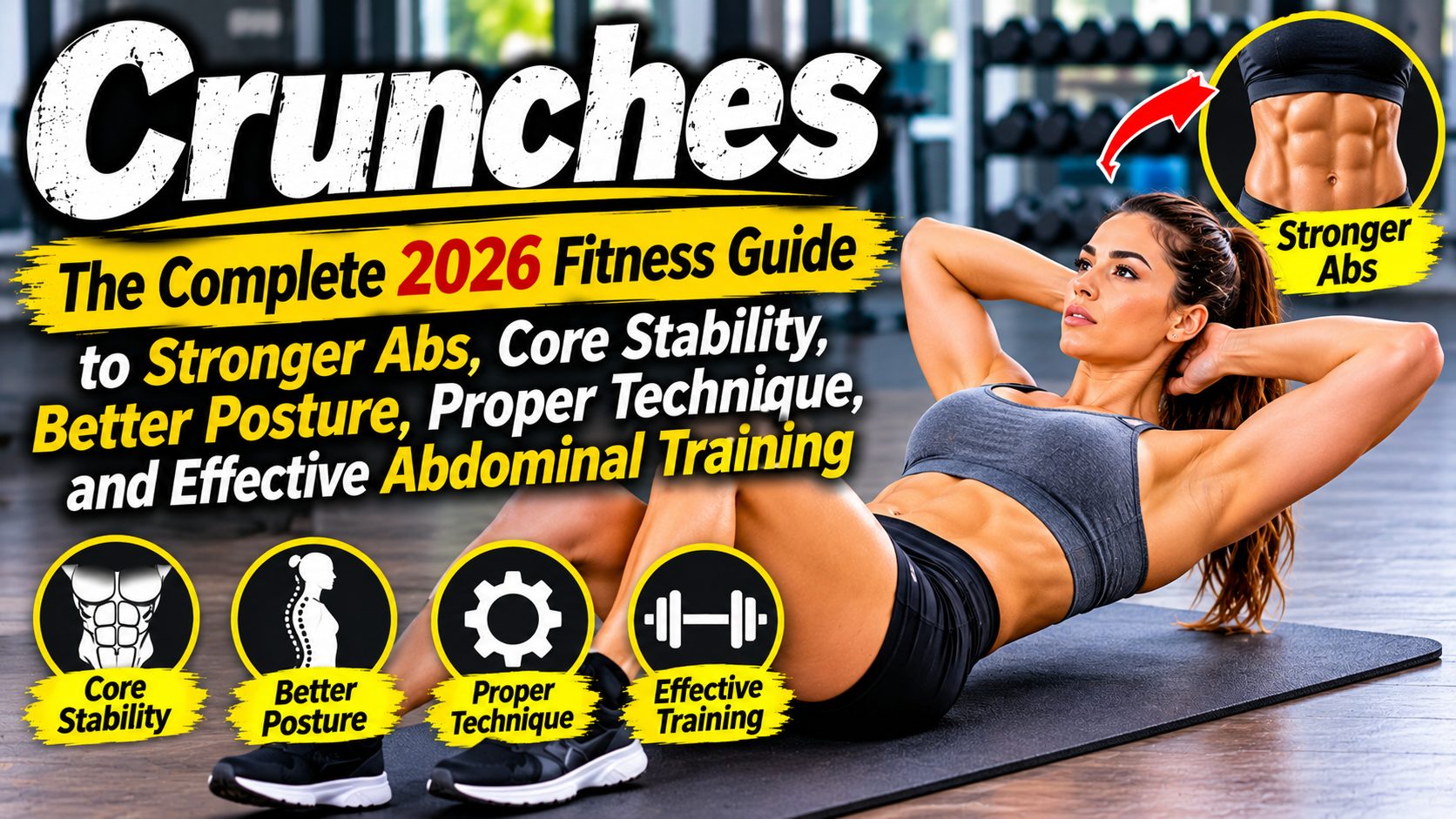
A strong core is essential for more than achieving visible six-pack abs. It supports everyday movements, improves balance, helps maintain posture, and provides stability during strength training and cardiovascular exercise. Among the most familiar abdominal exercises, crunches remain a popular choice because they require minimal equipment and can be performed almost anywhere.
Whether you are a beginner starting a home workout routine or an experienced gym enthusiast looking to improve abdominal strength, this exercise can help develop the rectus abdominis, the prominent muscle running along the front of your abdomen. When performed correctly, it encourages controlled spinal flexion and strengthens the muscles responsible for bringing your rib cage toward your pelvis.
However, technique matters. Rushing repetitions, pulling the neck, or using momentum can reduce effectiveness and create unnecessary discomfort. Understanding proper positioning, breathing, exercise variations, and progression makes abdominal training safer and more productive.
What Are Crunches and Which Muscles Do They Work?

Crunches are bodyweight abdominal exercises involving a controlled lifting of the head, shoulders, and upper back while the lower back remains in contact with the floor. Unlike a traditional sit-up, the movement uses a shorter range of motion and focuses primarily on the abdominal muscles.
The main target is the rectus abdominis, which helps flex the trunk and contributes to the appearance of a defined midsection. The external and internal obliques also assist with abdominal stabilization, although they are not the primary muscles targeted during a standard repetition.
Other muscles contribute to maintaining the correct position, including the transverse abdominis and certain hip and neck stabilizers. However, this exercise should not be considered a complete core workout because it does not adequately train every function of the abdominal and trunk muscles.
Benefits of Crunches for Abdominal Strength and Fitness
A well-designed abdominal routine can improve muscular endurance, trunk control, and overall fitness. This exercise is particularly useful because it isolates abdominal movement without requiring expensive equipment or complicated setup.
One major benefit is improved abdominal strength. Stronger abdominal muscles help control trunk movement during activities such as getting out of bed, lifting objects, running, and performing resistance exercises. Developing these muscles can also improve your ability to maintain a stable position during compound movements.
Another advantage is convenience. Beginners can perform the movement at home, while experienced athletes can include more challenging variations in their training programs. Its simplicity makes it easy to monitor technique and gradually increase training difficulty.
Additional potential benefits include:
- Better abdominal muscular endurance.
- Improved control during trunk flexion.
- Greater awareness of core engagement.
- Convenient home-based strength training.
- Support for balanced abdominal development when combined with other exercises.
It is important to understand that stronger abdominal muscles do not automatically mean a flatter stomach or visible six-pack. Body fat distribution, genetics, nutrition, and overall activity levels influence abdominal definition.
How to Perform Crunches With Proper Form
Correct technique is essential for targeting the abdominal muscles effectively. The goal is to lift the upper torso through controlled spinal flexion rather than pulling the body upward using the neck or momentum.
Start by lying on your back on a comfortable exercise mat. Bend your knees, place your feet flat on the floor, and position them approximately hip-width apart. Keep your hands lightly behind your head or crossed over your chest.
Follow these technique guidelines:
- Keep your lower back comfortably against the floor.
- Engage your abdominal muscles before moving.
- Exhale as you slowly lift your shoulders.
- Raise your upper back slightly off the mat.
- Keep your neck relaxed and avoid pulling your head.
- Pause briefly when your abdominal muscles contract.
- Inhale as you slowly lower your shoulders.
The movement should feel controlled throughout the repetition. You do not need to lift your entire torso toward your knees. A small, deliberate movement is sufficient to engage the rectus abdominis.
A useful coaching principle is to think about bringing your rib cage toward your pelvis rather than trying to sit upright. This encourages the intended abdominal movement and reduces unnecessary involvement from the hip flexors.
Common Mistakes That Reduce Effectiveness
Even a relatively simple abdominal exercise can become ineffective when performed with poor technique. One frequent mistake is pulling the head forward with the hands. This places unnecessary stress on the neck and can create discomfort during repeated movements.
Another problem is using momentum to complete repetitions. Rapidly bouncing the upper body off the floor reduces muscular control and makes it harder to maintain consistent abdominal tension. Slowing down the movement generally improves technique and makes each repetition more deliberate.
| Common mistake | Why it is problematic | Better approach |
|---|---|---|
| Pulling the neck | Creates unnecessary neck strain | Keep hands relaxed |
| Moving too quickly | Reduces muscular control | Use slow repetitions |
| Lifting too high | Encourages unnecessary movement | Raise shoulders slightly |
| Holding your breath | Disrupts breathing control | Exhale while lifting |
| Using momentum | Reduces targeted muscle engagement | Pause and lower gradually |
| Overtraining | Limits recovery | Allow adequate rest |
If you experience sharp back or neck pain, stop the exercise rather than attempting to push through discomfort. People with existing spinal conditions or persistent symptoms should seek professional guidance before continuing.
Best Variations for Different Fitness Levels
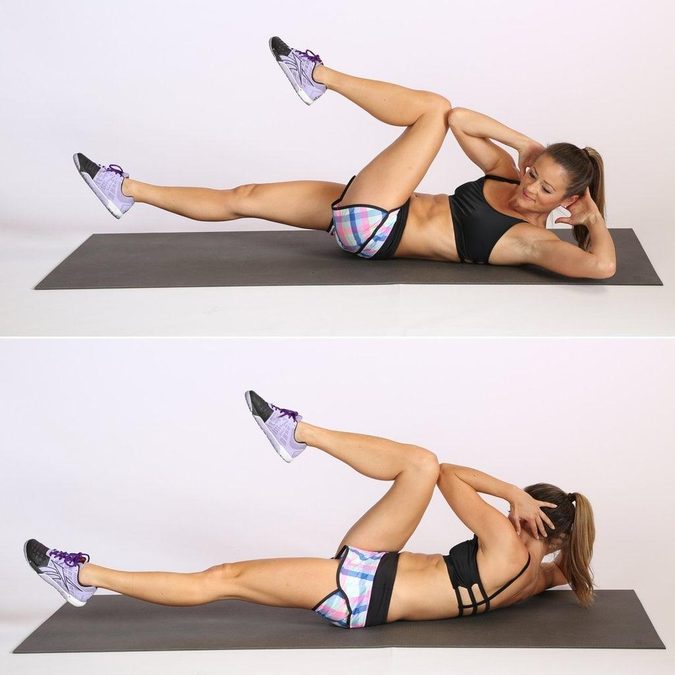
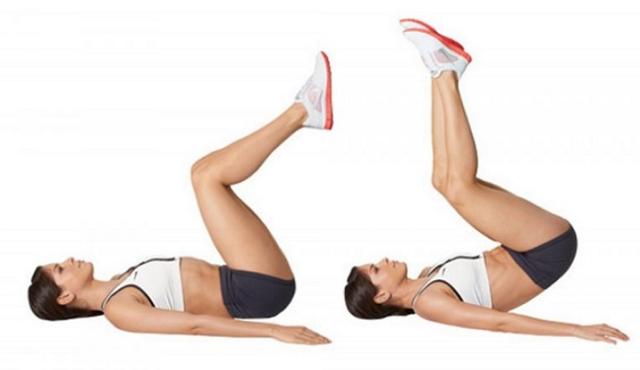
Once you understand the traditional movement, introducing variations can help challenge your abdominal muscles from different angles. Different exercises emphasize different trunk movements, making variety useful for developing a more balanced core.
Reverse crunch: Lie on your back with your knees bent and legs lifted. Bring your knees gently toward your chest while curling your pelvis off the floor. Lower slowly without swinging your legs. This variation emphasizes abdominal control and pelvic movement.
Bicycle crunch: Lie on your back, lift your shoulders, and alternate bringing each elbow toward the opposite knee while extending the other leg. Move slowly to maintain control and engage the obliques.
Vertical leg crunch: Raise your legs toward the ceiling while keeping your knees slightly bent. Lift your shoulders toward your legs using controlled abdominal contraction. Avoid pulling your neck.
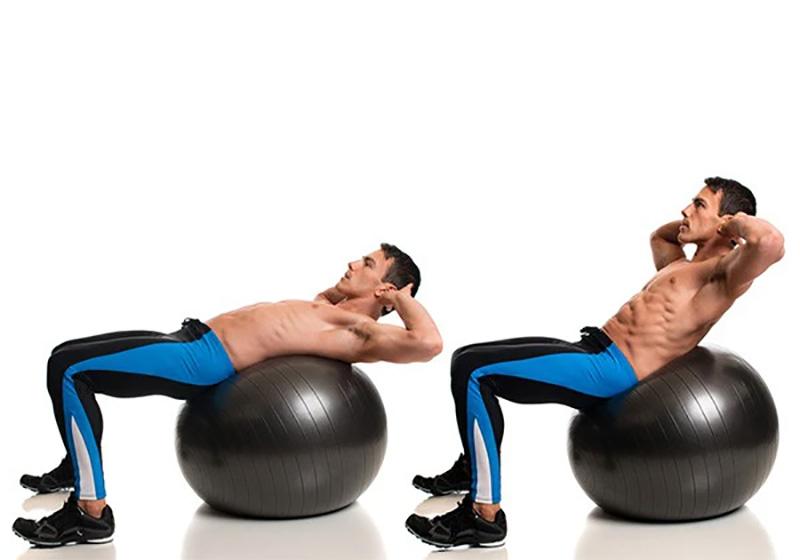
Stability ball crunch: Sit on a stability ball and walk your feet forward until your upper back rests against the ball. Perform a controlled abdominal curl. The unstable surface introduces an additional balance challenge.
The American Council on Exercise (ACE) emphasizes variety in abdominal training. Its 2025 evidence-based guidance highlights the importance of combining different exercises because no single movement adequately trains every core muscle. ACE Fitness
Do Crunches Help Burn Belly Fat?
One common fitness misconception is that repeatedly training the abdominal muscles directly removes stomach fat. Although abdominal exercises strengthen the muscles underneath, they do not guarantee localized fat loss.
Body fat reduction generally depends on overall energy balance, nutrition, physical activity, genetics, and individual physiology. Creating a sustainable calorie deficit through balanced eating and regular exercise can help reduce overall body fat, eventually making abdominal muscles more visible.
For better results, combine abdominal training with:
- Regular cardiovascular exercise, such as walking, cycling, or swimming.
- Full-body resistance training.
- Balanced meals with sufficient protein and fiber.
- Consistent sleep and recovery.
- A realistic calorie intake suited to your goals.
A 2023 study published in Physiological Reports explored localized abdominal fat changes under a specific exercise protocol. However, its small sample of 16 men does not establish a reliable general method for spot reduction. Overall fitness and sustainable fat-loss habits remain the more practical strategy. PubMed Central (PMC)
How Many Repetitions Should You Perform?
The ideal number of repetitions depends on your experience, muscular endurance, and ability to maintain proper technique. Beginners should prioritize controlled movements instead of attempting hundreds of repetitions in a single session.
A practical starting point is one or two sets of 10–15 repetitions. As your abdominal strength improves, you can gradually increase the number of sets or introduce more challenging variations.
| Fitness level | Sets | Repetitions | Rest |
|---|---|---|---|
| Beginner | 1–2 | 10–12 | 45–60 seconds |
| Intermediate | 2–3 | 12–20 | 30–60 seconds |
| Advanced | 3–4 | 15–25 | 30–45 seconds |
These are general training suggestions rather than mandatory targets. Mayo Clinic recommends beginning with manageable repetitions and maintaining proper breathing and control during core exercises. Mayo Clinic
Safety Tips and Who Should Avoid This Exercise
Although abdominal training is suitable for many healthy adults, repeated spinal flexion may not be appropriate for everyone. People with existing lower-back pain, certain spinal conditions, osteoporosis, or recent abdominal surgery should seek medical advice before adding this movement to their routine.
Pregnant individuals, particularly during later stages of pregnancy, should also consult a qualified healthcare professional about appropriate abdominal exercises. Alternative core movements may provide a more suitable training approach.
If the exercise causes neck discomfort, reduce the range of motion, place your arms across your chest, and avoid pulling your head forward. Stop if you experience sharp pain, numbness, or unusual symptoms.
As Mayo Clinic advises, “Breathe freely and deeply during each core-strength exercise.” This simple principle helps prevent unnecessary breath-holding and encourages better movement control. Mayo Clinic
Frequently Asked Questions
Are crunches effective for building six-pack abs?
Yes, they can strengthen the rectus abdominis, which contributes to the appearance of six-pack muscles. However, visible abdominal definition also depends on body fat levels, genetics, nutrition, and overall training. Combining resistance exercise with balanced nutrition provides a more complete approach.
Can beginners perform abdominal crunches every day?
Beginners should focus on learning proper technique and allowing sufficient recovery. Training the abdominal muscles two or three times weekly is a reasonable starting point. Daily high-volume training is unnecessary, particularly when the muscles are still adapting to exercise.
Are crunches better than sit-ups?
Neither exercise is universally better. The traditional crunch uses a shorter movement and emphasizes abdominal flexion, while sit-ups involve a larger range of motion and greater hip-flexor contribution. The appropriate choice depends on individual goals, mobility, and comfort.
Do crunches reduce belly fat?
No, they do not reliably target belly fat directly. They strengthen abdominal muscles, but reducing overall body fat generally requires a combination of nutrition management, cardiovascular exercise, resistance training, and consistent lifestyle habits.
How long does it take to strengthen abdominal muscles?
Improvements in abdominal endurance and strength can begin within several weeks of consistent training. Visible changes generally take longer and depend on starting fitness, nutrition, genetics, and overall body composition.
Can I perform crunches at home without equipment?
Yes. A comfortable exercise mat or carpeted surface is usually sufficient. The traditional movement relies on body weight, making it accessible for home workouts, travel fitness routines, and beginner exercise programs.
Conclusion
Building a stronger midsection requires more than performing endless repetitions. Proper technique, progressive training, balanced nutrition, and adequate recovery are essential for developing functional abdominal strength.
Crunches remain a convenient and effective exercise for strengthening the rectus abdominis, improving muscular endurance, and supporting a broader fitness routine. Their simplicity makes them suitable for beginners, while advanced variations provide opportunities for continued progression.
The best results come from combining abdominal exercises with movements that strengthen the entire core, including planks, dead bugs, bridges, and side planks. Rather than chasing a particular number of repetitions, focus on controlled movement, consistent training, and gradual improvements.
The ultimate goal is not simply a defined stomach but a stronger, more stable core that supports better movement, improved fitness, and everyday physical performance.