Introduction
Jumping jacks are one of the simplest yet most effective full-body cardiovascular exercises. They require no expensive equipment, minimal space, and very little preparation, making them an excellent addition to home workouts, gym sessions, warm-ups, and weight-loss routines.
Despite their simplicity, this classic exercise activates multiple muscle groups while increasing heart rate and breathing intensity. Each repetition combines an outward jump with an overhead arm movement, followed by a return to the starting position. This repeated motion challenges cardiovascular endurance, coordination, balance, and muscular stamina.
The exercise is particularly useful for people who want to improve general fitness without depending on complicated workout equipment. Whether performed independently or combined with squats, push-ups, mountain climbers, and lunges, it can help create an effective full-body conditioning routine.
Understanding proper technique, exercise intensity, modifications, and recovery is essential for getting the best results while reducing unnecessary stress on the joints.
What Are Jumping Jacks?

Jumping jacks are a cardiovascular bodyweight exercise that involves jumping the feet outward while raising the arms overhead, then returning the feet together while lowering the arms.
The movement combines aerobic conditioning with coordinated upper-body and lower-body activity. It is commonly used in physical education, military conditioning, group fitness classes, athletic warm-ups, and home exercise programs.
The exercise primarily targets the cardiovascular system while engaging the shoulders, calves, quadriceps, glutes, hip muscles, and core. Because it involves repeated jumping, it also introduces impact forces that challenge muscular control and lower-body stability.
One reason this movement remains popular is its accessibility. Beginners can perform a modified version without jumping, while experienced athletes can increase speed, duration, or intensity to create a more demanding conditioning session.
How to Perform Jumping Jacks With Proper Form
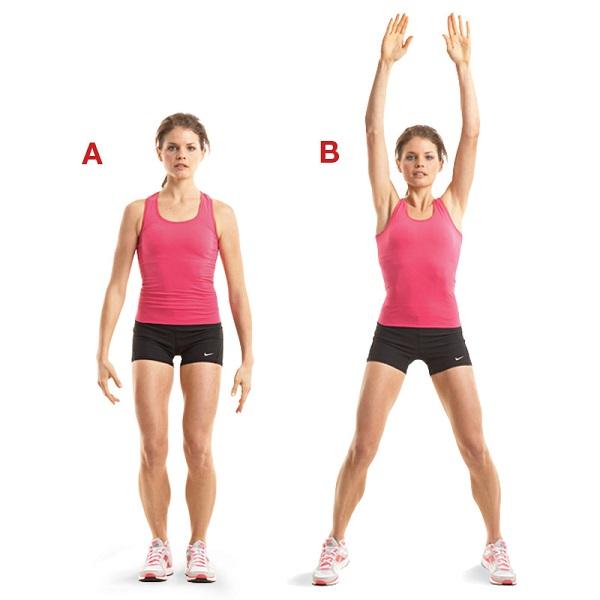


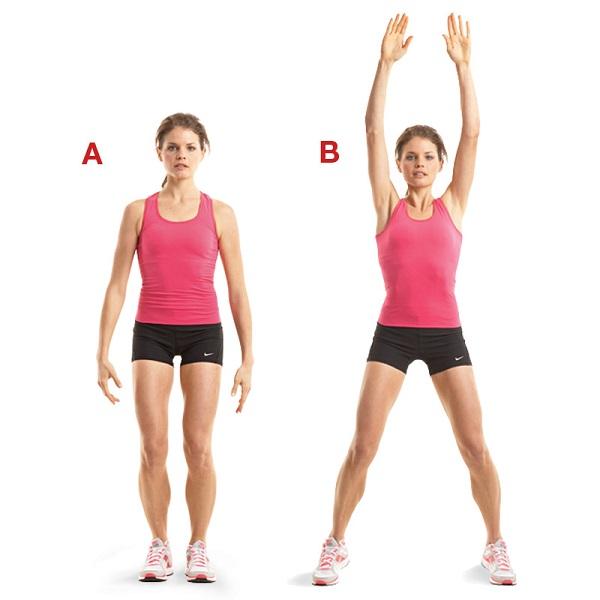
Correct technique improves exercise efficiency and helps reduce unnecessary joint stress. Before starting, stand upright with your feet together, arms relaxed beside your body, and knees slightly unlocked.
Push gently through your feet and jump outward, landing with your feet wider than shoulder-width apart while raising both arms overhead. Immediately reverse the movement by bringing your feet together and lowering your arms to the starting position.
Focus on controlled movements rather than jumping as high or moving as quickly as possible.
Important technique tips:
- Keep your chest lifted and spine neutral.
- Land softly with slightly bent knees.
- Keep your knees aligned with your toes.
- Avoid excessively arching your lower back.
- Coordinate your arm and leg movements.
- Maintain a steady breathing pattern.
Beginners should prioritize comfortable movement and consistent rhythm. Speed should increase only when proper coordination and landing control are established.
Muscles Worked During Jumping Jacks

Although this exercise looks relatively simple, it involves several muscle groups working together. The lower body generates the jumping force, while the upper body coordinates arm movements and the core helps stabilize the trunk.
The quadriceps and glutes contribute to jumping and landing. The calves help produce ankle movement and control the body’s contact with the ground. Meanwhile, the deltoids and shoulder muscles raise the arms overhead.
| Muscle group | Main function |
|---|---|
| Quadriceps | Knee extension and landing control |
| Glutes | Hip extension and stability |
| Calves | Ankle movement and jumping power |
| Hamstrings | Lower-body coordination |
| Deltoids | Raising the arms |
| Core muscles | Trunk stabilization |
| Hip abductors | Moving the legs outward |
This coordinated muscular activity makes the exercise useful for general conditioning. However, it should not replace dedicated resistance training when the goal is significant muscle growth or maximum strength development.
Amazing Health and Fitness Benefits of Jumping Jacks

Regular aerobic activity supports cardiovascular health, physical endurance, and overall well-being. According to the World Health Organization, adults should generally aim for at least 150–300 minutes of moderate-intensity aerobic activity or 75–150 minutes of vigorous-intensity activity weekly.
This exercise can contribute to those activity targets when performed at an appropriate intensity.
Improves Cardiovascular Endurance
Repeated jumping increases heart rate and breathing demand. Over time, consistent cardiovascular training can improve aerobic fitness and the body’s ability to deliver oxygen to working muscles.
This can make everyday activities such as climbing stairs, walking uphill, and participating in recreational sports feel easier.
Supports Weight Loss and Calorie Burning
The movement increases energy expenditure because several muscle groups work simultaneously. Performing it as part of a consistent exercise program can support a calorie deficit, which is necessary for weight loss.
However, calorie expenditure depends on body weight, exercise speed, duration, and individual fitness levels. No single exercise guarantees fat loss.
Strengthens Lower-Body Muscles
Repeated jumping and landing engage the quadriceps, glutes, calves, and supporting muscles. These movements help develop muscular endurance and improve lower-body coordination.
For better strength development, combine cardiovascular exercise with squats, lunges, and resistance training.
Improves Coordination and Balance
Coordinating arm and leg movements requires timing, rhythm, and body awareness. Practicing regularly can improve movement control and coordination.
Soft, controlled landings also encourage better awareness of lower-body positioning.
Provides a Convenient Home Workout
One major advantage is convenience. You can exercise in a small indoor space without dumbbells, resistance bands, or gym equipment.
This makes the movement useful for people with busy schedules who want short cardiovascular sessions at home.
Different Types of Jumping Jacks for Better Results


Traditional movements are effective, but variations can change the intensity and muscular demands of a workout. Selecting the right variation depends on fitness level, coordination, and joint comfort.
Popular variations include:
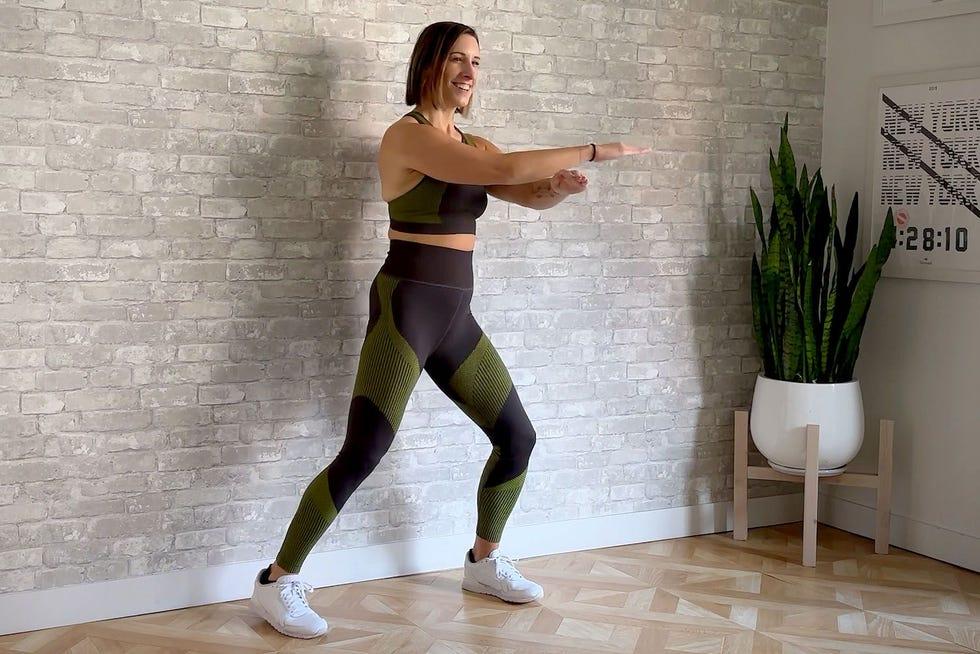
- Step jacks: Step one foot outward at a time instead of jumping, reducing impact.
- Star jumps: Perform a more explosive jump while spreading the arms and legs into a star-shaped position.
- Cross jacks: Cross the arms and legs in front of the body before opening them again.
- Squat jacks: Combine an outward jump with a squat position to increase lower-body demands.
- Seal jacks: Move the arms horizontally in front of the chest rather than overhead.
Beginners can start with step jacks and gradually progress toward traditional movements. More advanced exercisers may use star jumps or squat variations for additional conditioning.
How Many Jumping Jacks Should You Do Daily?
The ideal number depends on your current fitness level, exercise experience, recovery capacity, and overall training goals. Performing hundreds of repetitions is not automatically better than completing a smaller number with controlled technique.
A beginner might start with short intervals of 10–15 repetitions, while someone with better cardiovascular endurance may comfortably perform longer sets.
| Fitness level | Suggested repetitions | Rest period |
|---|---|---|
| Beginner | 10–15 | 30–45 seconds |
| Intermediate | 20–30 | 20–30 seconds |
| Advanced | 40–60 | 30–45 seconds |
These are general starting guidelines rather than medically established prescriptions. Adjust the workload according to your ability and stop if you experience pain, dizziness, or unusual breathlessness.
A practical approach is to perform two or three sets during a warm-up or conditioning session. As your endurance improves, gradually increase repetitions or working time.
Common Mistakes and How to Avoid Them
Even basic cardiovascular exercises can become uncomfortable when performed with poor technique. One common mistake is landing with completely straight knees, which can increase impact forces through the lower body.
Another problem is jumping too aggressively before developing sufficient coordination and fitness. Excessive speed can lead to poor arm positioning, unstable landings, and unnecessary strain on the ankles or knees.
Some people also hold their breath during intense repetitions. Maintaining steady breathing helps support exercise performance and makes it easier to regulate intensity.
The solution is straightforward: prioritize movement quality, begin with manageable sets, wear supportive footwear when appropriate, and increase training volume gradually.
Are Jumping Jacks Safe for Everyone?
Most generally healthy adults can incorporate this exercise into their fitness routines, but its jumping component may not be suitable for everyone.
People experiencing knee pain, ankle injuries, significant joint discomfort, balance difficulties, or certain cardiovascular conditions may need lower-impact alternatives. Pregnancy can also require exercise modifications depending on individual circumstances.
Step jacks provide a useful alternative because they maintain much of the coordinated arm and leg movement without repeated jumping. Swimming, stationary cycling, and controlled walking are other options for people who need reduced-impact cardiovascular exercise.
Anyone with an existing medical condition or significant exercise limitations should consult a qualified healthcare professional before beginning an intense workout program.
Frequently Asked Questions
Do jumping jacks help lose belly fat?
They can contribute to overall calorie expenditure and support weight loss when combined with balanced nutrition and regular exercise. However, they cannot specifically target belly fat. Reducing abdominal fat requires overall body-fat reduction through sustainable lifestyle changes.
How many calories do jumping jacks burn?
Calorie expenditure varies according to body weight, workout intensity, duration, and individual metabolism. A heavier person may burn more calories performing the same activity than a lighter person. Fitness trackers can provide estimates, but their readings are not exact measurements.
Are jumping jacks better than running?
Neither exercise is universally better. Running generally provides a more sustained cardiovascular challenge, while jumping jacks combine upper-body coordination with lower-body jumping. Both can improve aerobic fitness when performed consistently at an appropriate intensity.
Can beginners perform jumping jacks every day?
Beginners should start with manageable sessions and allow sufficient recovery, particularly if they are unfamiliar with impact-based exercise. Daily activity can be beneficial, but alternating exercise intensity and incorporating low-impact movements may improve comfort and consistency.
Do jumping jacks build muscle?
They primarily develop muscular endurance rather than substantial muscle size. The quadriceps, calves, glutes, shoulders, and core participate in the movement. For greater muscle growth, combine cardiovascular exercise with progressive resistance training.
Are jumping jacks good for warming up?
Yes. They can raise heart rate, increase blood circulation, and prepare the body for more demanding physical activity. Beginners should start slowly and use modified versions if traditional jumping feels uncomfortable.
Can jumping jacks improve stamina?
Regular practice can improve cardiovascular endurance and muscular stamina. Gradually increasing exercise duration and maintaining consistent training can make activities such as walking, climbing stairs, and recreational sports feel less demanding.
Conclusion
Jumping jacks remain one of the most accessible and effective bodyweight exercises for improving cardiovascular endurance, coordinating upper- and lower-body movements, and supporting general fitness.
Their greatest advantage is versatility. Beginners can use low-impact variations to develop coordination, while experienced athletes can incorporate faster repetitions and challenging movements into conditioning circuits.
Although this exercise can support weight management and cardiovascular health, the best results come from combining it with balanced nutrition, strength training, adequate recovery, and consistent physical activity.
The most important takeaway is simple: you do not need expensive equipment or complicated routines to improve your fitness. Start with proper technique, build your endurance gradually, and make regular movement part of your lifestyle.