What Is the Calf Muscle?
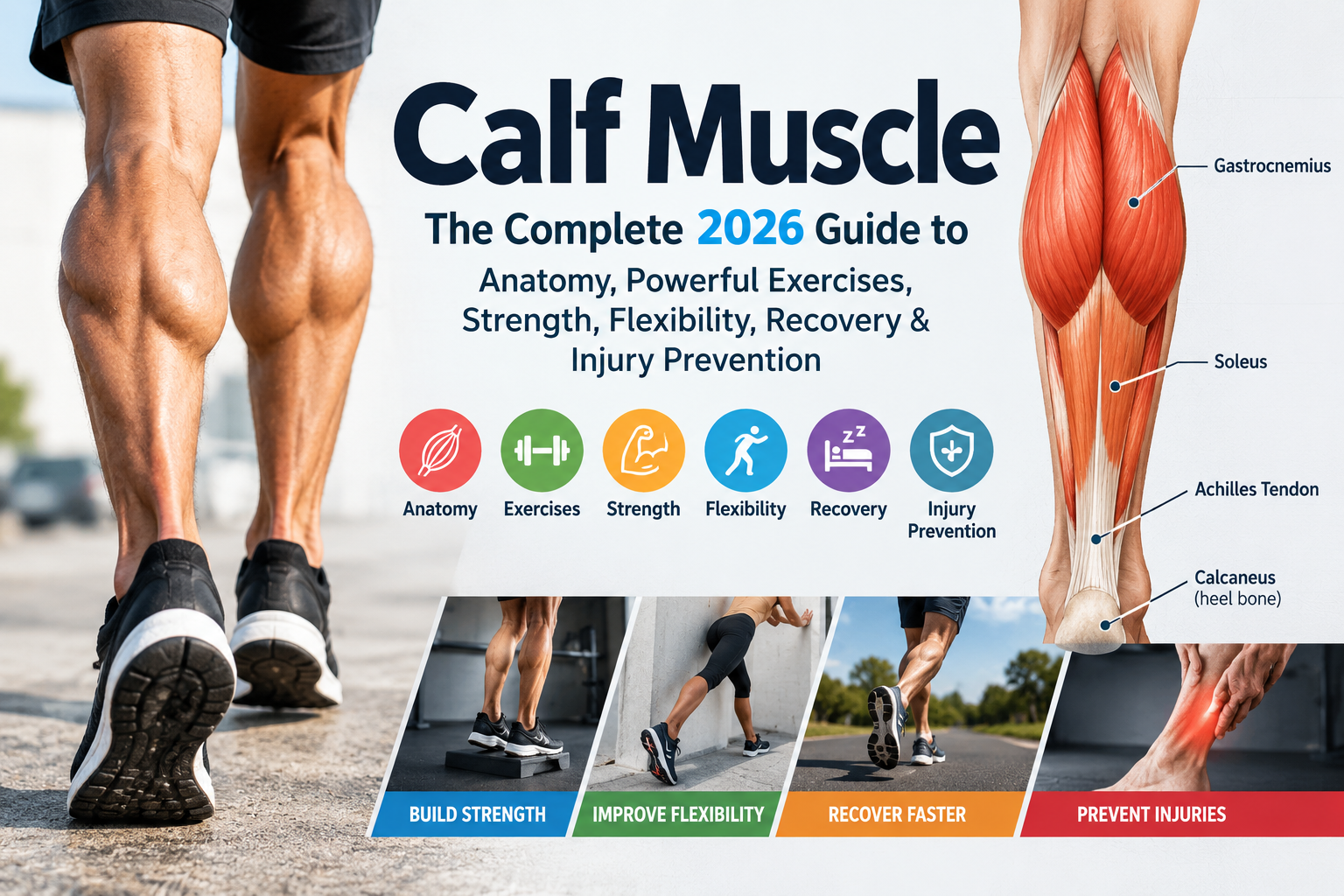
The calf muscle is the group of muscles located at the back of the lower leg, between the knee and the ankle. These muscles help you walk, run, jump, climb stairs, maintain balance, and push your body forward during movement. They also play an important role in controlling ankle motion and supporting everyday activities.
The calf is commonly associated with two major muscles: the gastrocnemius and the soleus. Together, they form much of the visible shape of the lower leg and connect through the Achilles tendon to the heel bone. Although these muscles work together, they differ in their structure, position, and preferred working conditions.
Strong, flexible calves support athletic performance and functional mobility. Whether you are a runner, gym enthusiast, recreational walker, or someone who spends long hours standing, understanding lower-leg anatomy can help you train more effectively and recognize potential problems before they become more serious.
Anatomy of the Gastrocnemius and Soleus
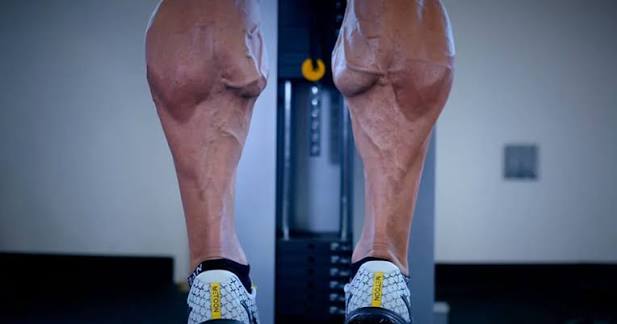
The gastrocnemius is the large, prominent muscle that creates much of the rounded appearance of the upper calf. It crosses both the knee and ankle joints, meaning its activity is influenced by the position of both. It helps point the foot downward, a movement known as plantar flexion, and assists with bending the knee.
The soleus sits underneath the gastrocnemius and plays a major role in standing, walking, and maintaining posture. Because it crosses the ankle but not the knee, it can produce plantar flexion with the knee bent. This distinction explains why straight-knee and bent-knee calf exercises emphasize the muscles differently.
Both muscles contribute to force production during walking and running. They transmit force through the Achilles tendon, which attaches to the calcaneus, or heel bone. This tendon also stores and releases elastic energy during activities such as running, helping make movement more efficient.
What Does the Calf Muscle Do?
The primary function of the calf is plantar flexion, which means pressing the front of the foot downward, as when standing on tiptoe or pushing off the ground. This movement is essential for walking, sprinting, jumping, climbing hills, and accelerating during sports.
The calf muscles also help control forward movement of the shin over the foot when walking or descending stairs. The soleus is particularly important for postural control because it helps regulate the body’s movement while you stand. Without adequate calf strength and coordination, ordinary tasks such as walking uphill or balancing on one leg may become more difficult.
These muscles also contribute to the body’s venous muscle pump. When the calves contract, they help move blood from the lower legs toward the heart through the veins, working alongside one-way venous valves. Regular movement is therefore beneficial for circulation, although calf exercises alone are not a treatment for vascular disease.
Best Exercises for Calf Strength and Muscle Growth
Effective calf training should include exercises performed with both straight and bent knees. Standing calf raises emphasize the gastrocnemius because the knee remains extended, while seated calf raises place the gastrocnemius in a shortened position at the knee and provide a useful way to train the soleus.
A practical routine can include standing calf raises, seated calf raises, and single-leg calf raises. Start with controlled repetitions, use a comfortable range of motion, and gradually increase resistance as your strength improves. Pausing briefly at the top and lowering your heels slowly can help you avoid bouncing through the movement.
| Exercise | Primary emphasis | Suggested starting volume | Key technique |
|---|---|---|---|
| Standing calf raise | Gastrocnemius and soleus | 2–3 sets of 10–15 reps | Keep knees straight but not locked |
| Seated calf raise | Soleus | 2–3 sets of 12–20 reps | Move through a controlled range |
| Single-leg calf raise | Unilateral calf strength | 2 sets of 8–12 per side | Avoid leaning or twisting |
| Step calf raise | Calf strength through a larger range | 2 sets of 8–12 reps | Lower only as far as comfortable |
| Bent-knee calf raise | Soleus emphasis | 2–3 sets of 12–20 reps | Keep the knee bent throughout |
These volumes are general starting points rather than universal prescriptions. Beginners may need fewer sets, while experienced lifters can adjust resistance and volume according to their training history and recovery. Perform calf exercises two or three times per week initially, allowing sufficient recovery between demanding sessions.
For muscle growth, consistency matters more than chasing extremely high repetitions. Increase the load or repetitions gradually while maintaining good technique. Stop if an exercise causes sharp pain, and avoid forcing the ankle into an uncomfortable stretch.
Calf Stretches for Flexibility and Mobility
Calf stretching can improve ankle mobility and help address restricted movement when performed consistently. A wall stretch with the back knee straight targets the gastrocnemius, while bending that knee shifts more emphasis toward the soleus. Both variations can be useful, depending on the source of tightness and your mobility goals.
To perform a wall stretch, place your hands against a wall, step one foot behind you, and keep the heel of the rear foot on the floor. Lean forward gently until you feel a stretch in the calf. Hold for approximately 20–30 seconds, breathe normally, and repeat two or three times without bouncing.
Stretching should feel like mild tension, not pain. If your heel lifts, your arch collapses, or you twist your foot to gain extra range, reduce the stretch and adjust your position. Dynamic ankle movements and gradual warm-ups may be more suitable before exercise, while longer static stretches often fit better after training or during separate mobility sessions.
Common Causes of Calf Pain and Tightness
Calf discomfort can develop for several reasons, including increased training volume, prolonged standing, inadequate conditioning, sudden acceleration, or an unfamiliar workout. Delayed-onset muscle soreness may appear after challenging exercise, typically developing over the following day and improving over several days.
A calf strain occurs when muscle fibers are overstretched or torn. It may cause sudden pain, tenderness, swelling, bruising, or difficulty walking. Mild strains can sometimes be managed with relative rest and gradual rehabilitation, but severe pain, significant weakness, or difficulty bearing weight warrants medical assessment.
Not every painful calf is a muscle problem. A deep vein thrombosis (DVT), in which a blood clot forms in a deep vein, can cause pain, swelling, warmth, and redness, often affecting one leg. New, unexplained one-sided calf swelling or pain requires urgent medical assessment. If it occurs with shortness of breath, chest pain, fainting, or coughing up blood, seek emergency care immediately.
How to Prevent Calf Injuries
The most reliable approach to injury prevention is to increase physical demands gradually. Runners, for example, should avoid making sudden jumps in distance, speed, or hill work. Gym users should build resistance over time rather than immediately performing heavy calf raises with a deep stretch.
A suitable warm-up can include easy walking, ankle circles, gentle calf raises, and progressive movements specific to the planned activity. Shoes should fit properly and suit the exercise, surface, and individual needs. Footwear alone cannot prevent every injury, but uncomfortable or unsuitable shoes may make training harder to tolerate.
Recovery also matters. Allow time between intense sessions, eat enough to support activity, stay adequately hydrated, and maintain a balanced exercise program that includes the feet, ankles, knees, hips, and core. Repeated cramps, persistent weakness, or pain that does not improve should be assessed rather than continually treated with stretching alone.
Nutrition and Recovery for Healthy Calves
Muscle recovery depends on sufficient energy, protein, carbohydrates, fluids, and sleep. Protein supports muscle repair and adaptation, while carbohydrates help replenish energy stores after demanding exercise. Foods such as eggs, dairy products, beans, fish, lean meats, whole grains, fruit, and vegetables can contribute to a balanced recovery diet.
Hydration is especially important during exercise in hot weather or sessions involving heavy sweating. However, calf cramps are not always caused by dehydration or electrolyte deficiencies. They can also be associated with fatigue, training demands, medications, or other medical factors. Persistent or unexplained cramps deserve professional advice.
Sleep and sensible training progression help the body adapt to exercise. If your calves remain unusually sore or weak between sessions, reduce training intensity or volume and allow more recovery time. Training harder is not always better; consistent, manageable workouts generally support more sustainable progress.
Frequently Asked Questions About the Calf Muscle
How can I make my calves stronger?
You can build calf strength through standing calf raises, seated calf raises, single-leg variations, and other controlled plantar-flexion exercises. Start with a manageable resistance, use a comfortable range of motion, and increase the difficulty gradually. Consistent training, adequate recovery, and sound technique are more useful than performing excessive repetitions without progression.
Why does my calf hurt after walking or running?
Pain after activity may result from muscle fatigue, delayed-onset soreness, increased training demands, or a strain. Mild soreness often improves with reduced intensity and recovery. However, sudden severe pain, substantial swelling, difficulty walking, or unexplained symptoms affecting one leg require prompt medical assessment because more serious conditions can resemble ordinary muscle soreness.
How often should I train my calves?
Many healthy beginners can start with two calf-training sessions per week and adjust according to soreness, performance, and recovery. Both straight-knee and bent-knee exercises can be included. Experienced athletes may tolerate greater frequency, but training volume should reflect their overall workload and any previous injuries.
Do calf raises work both major calf muscles?
Yes. Standing calf raises train the gastrocnemius and soleus, while seated or bent-knee raises place relatively more emphasis on the soleus. Neither position completely isolates one muscle. Combining both variations provides a practical way to develop lower-leg strength across different knee positions.
What causes calf cramps at night?
Nighttime cramps can be associated with muscle fatigue, prolonged positions, certain medications, pregnancy, or underlying medical conditions. Dehydration and electrolyte disturbances may contribute in some cases, but they are not the explanation for every cramp. Gentle stretching may provide relief, while frequent, severe, or persistent episodes should be discussed with a healthcare professional.
Can stretching prevent calf injuries?
Stretching can improve flexibility and ankle range of motion, especially when limited mobility contributes to movement difficulties. However, stretching alone cannot prevent all calf injuries. Gradual training progression, appropriate strengthening, adequate recovery, and activity-specific warm-ups are also important parts of an effective prevention strategy.
Conclusion: Build Stronger, Healthier Calves Through Consistent Training
Healthy lower legs depend on more than appearance. The calf muscles support walking, running, balance, jumping, and efficient movement, making them essential for everyday function and athletic performance. Understanding the roles of the gastrocnemius, soleus, and Achilles tendon helps you choose exercises that develop strength and mobility while recognizing warning signs of injury.
A balanced approach combines progressive resistance training, appropriate stretching, sound nutrition, and adequate recovery. Begin with manageable exercises, refine your technique, and increase training demands gradually rather than forcing rapid results.
The key takeaway is simple: strong calves are built through consistent, well-planned training and attentive recovery—not through intensity alone. If pain is severe, persistent, or accompanied by unusual swelling, prioritize medical evaluation over self-treatment.