

What Is a Glutes Workout and Why Does It Matter?
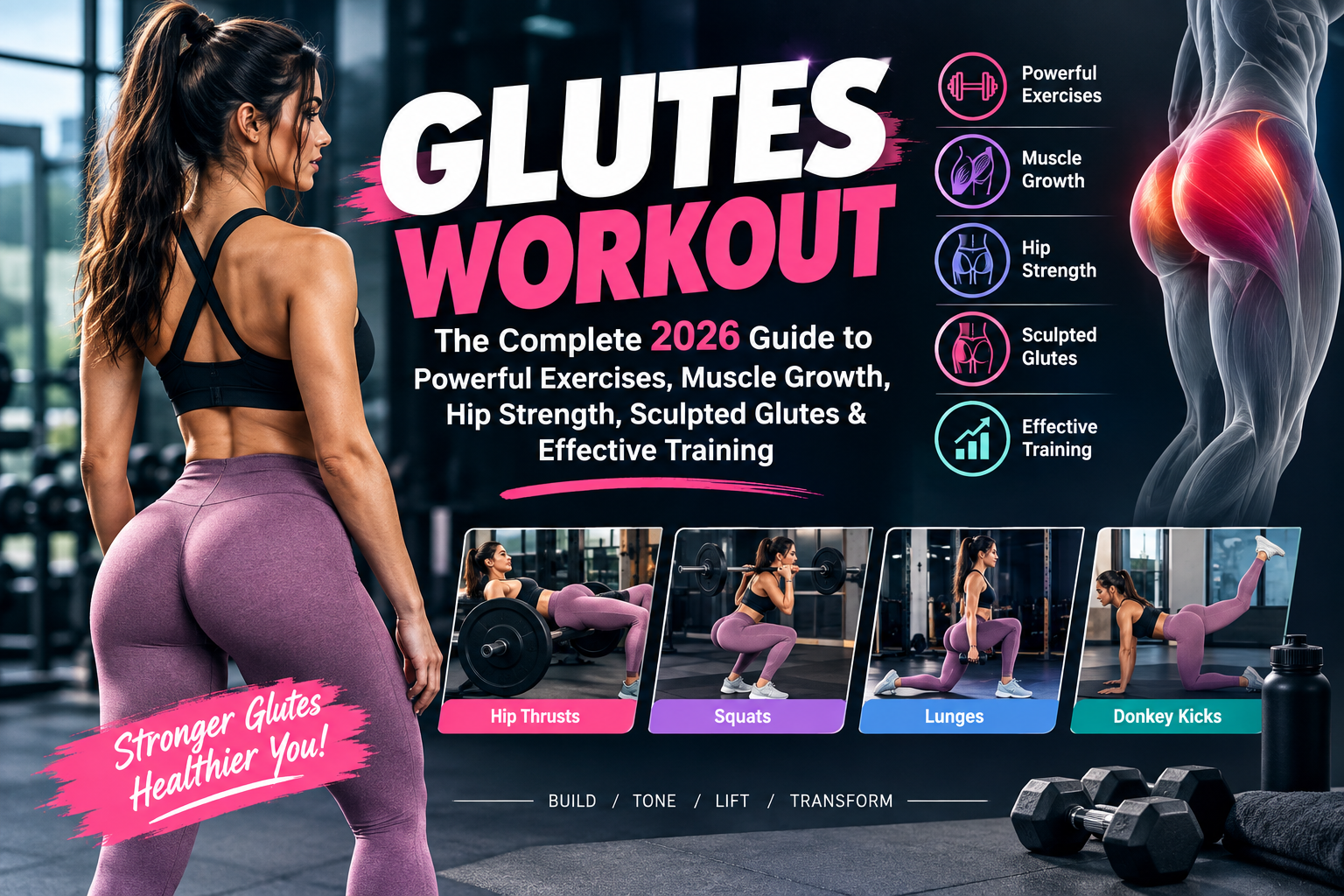
A glutes workout is a structured exercise routine designed to strengthen and develop the gluteal muscles, which form the main muscle group of the buttocks. These muscles play an essential role in hip extension, pelvic stability, walking, running, jumping, and maintaining proper movement mechanics. Training them effectively can improve athletic performance, support everyday mobility, and contribute to lower-body muscle development.
The glutes consist of three primary muscles: the gluteus maximus, gluteus medius, and gluteus minimus. The gluteus maximus is the largest and contributes significantly to hip extension and the shape of the buttocks. The gluteus medius and minimus help move the leg outward and stabilize the pelvis, particularly during walking, running, and single-leg movements.
An effective routine combines exercises that challenge these muscles through different movement patterns. Squats, hip thrusts, Romanian deadlifts, lunges, and hip abductions each provide different benefits. Rather than relying on one popular exercise, a balanced approach develops strength, coordination, and muscle growth over time.
Understanding Glute Anatomy and Muscle Function
The gluteus maximus generates substantial force when you stand up from a squat, climb stairs, accelerate during a sprint, or lift an object from the floor. Because it contributes strongly to hip extension, exercises that move the hips from a flexed position toward a neutral or extended position are particularly useful for developing this muscle.
The gluteus medius and minimus serve important supporting functions. They help stabilize the pelvis when you stand on one leg, as happens during each step of walking or running. They also contribute to hip abduction, which involves moving the leg away from the body’s midline. Weakness or poor coordination in these muscles can make single-leg movements more challenging, although hip or knee discomfort can have many causes beyond glute strength.
Understanding these differences helps explain why a routine should include both compound exercises and targeted movements. A hip thrust may emphasize hip extension, while a lateral band walk challenges hip abductors and pelvic control. Together, these exercises offer a more complete approach to lower-body training.
Best Glute Exercises for Strength and Muscle Growth
The most effective exercises depend on your experience, equipment, mobility, and goals. Compound movements such as squats, Romanian deadlifts, and lunges train the glutes alongside other lower-body muscles. Hip thrusts and glute bridges provide direct hip-extension work, while cable kickbacks and hip abductions allow more targeted training.
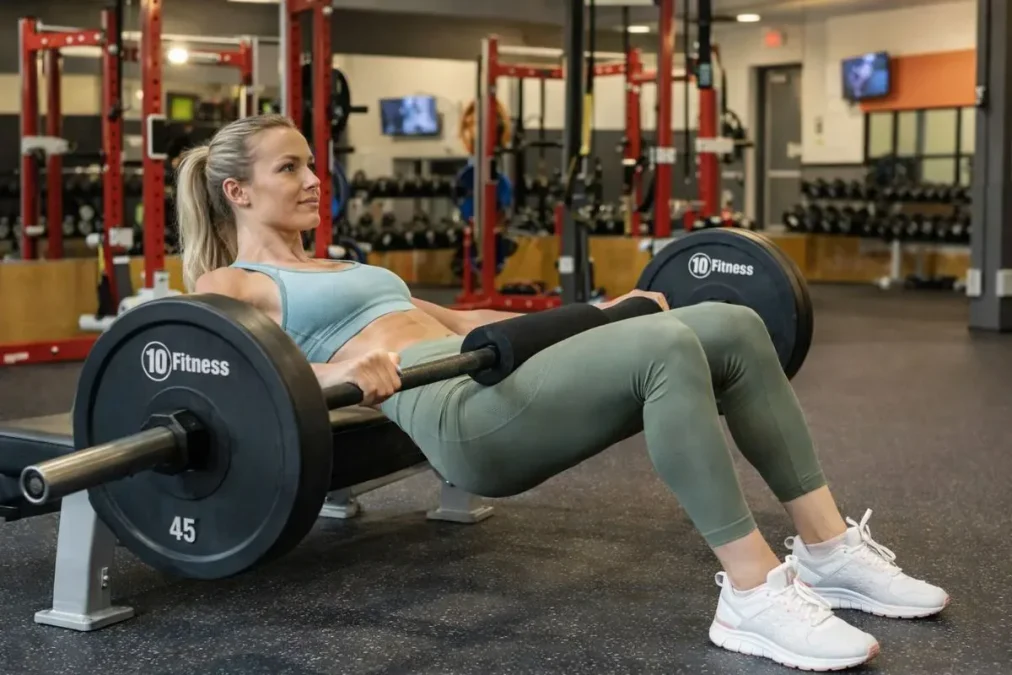
Technique matters more than simply lifting heavy weights. During a squat, keep your feet stable, control your descent, and use a depth that suits your mobility and comfort. During a Romanian deadlift, push your hips backward while maintaining a controlled torso position and a slight bend in the knees. For hip thrusts, position your upper back securely against a bench and finish by extending your hips without excessively arching your lower back.
| Exercise | Primary benefit | Suggested starting volume | Equipment |
|---|---|---|---|
| Barbell hip thrust | Hip extension and glute development | 3 sets of 8–12 reps | Barbell or dumbbell |
| Squat | Lower-body strength | 3 sets of 8–12 reps | Body weight or weights |
| Romanian deadlift | Glutes and hamstrings | 3 sets of 8–12 reps | Dumbbells or barbell |
| Bulgarian split squat | Unilateral strength and balance | 2 sets of 8–10 per leg | Bench and dumbbells |
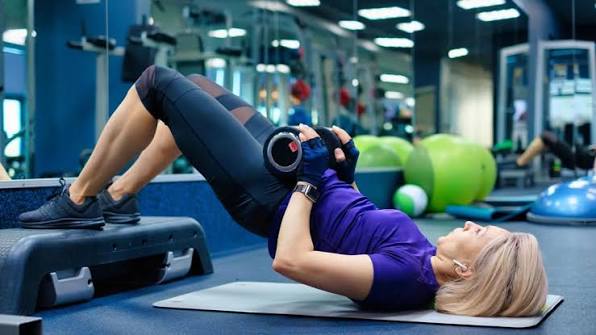
| Glute bridge | Hip extension and movement control | 2–3 sets of 12–15 reps | Body weight or weight plate |
| Cable kickback | Targeted hip extension | 2 sets of 12–15 per leg | Cable machine |
| Hip abduction | Gluteus medius and minimus emphasis | 2–3 sets of 12–20 reps | Machine or resistance band |
These are starting guidelines rather than mandatory targets. Beginners can begin with body-weight variations and fewer sets, while experienced lifters may need heavier resistance or additional training volume. Choose loads that allow controlled repetitions and leave roughly one to three good repetitions in reserve on most working sets.
How to Structure a Glutes Workout for Beginners
Beginners benefit from a routine that is easy to repeat and recover from. Start with a brief warm-up involving walking, body-weight squats, hip hinges, and gentle hip movements. Then select a hip-extension exercise, a squat or lunge variation, and a movement that targets the gluteal muscles from a different direction.
A practical beginner session could include glute bridges, goblet squats, dumbbell Romanian deadlifts, and resistance-band lateral walks. Perform two or three sets of each exercise, resting approximately 60–120 seconds between sets or longer when needed. Focus on learning stable positions and smooth movement before increasing resistance.
Train your glutes around twice per week initially, with at least a day between demanding sessions. For example, a Monday lower-body workout and a Thursday session provide opportunities to practice the movements while allowing recovery. As strength and technique improve, you can gradually add resistance, repetitions, or sets.
Progressive Overload for Bigger and Stronger Glutes
Progressive overload means gradually increasing the challenge placed on your muscles as they adapt. This can involve lifting heavier weights, completing additional repetitions with the same load, improving movement control, or increasing your training volume when appropriate. Without progression, a routine that once felt challenging may eventually provide too little stimulus for continued improvement.
For example, suppose you perform hip thrusts with 20 kilograms for three sets of 10 repetitions. When you can complete all three sets with consistent technique and the effort feels manageable, you might increase the load slightly or work toward 12 repetitions before increasing the weight. Small, repeatable improvements are more useful than frequent dramatic jumps that compromise form.
Progress should also account for recovery and individual differences. If performance declines, soreness remains unusually high, or technique deteriorates, maintaining the current load or reducing volume may be more productive than pushing harder. A training log that records weights, repetitions, and perceived effort can help you recognize meaningful progress.
Common Glute Training Mistakes and How to Fix Them
One common mistake is relying entirely on squats or hip thrusts while neglecting other movement patterns. Although these exercises can be highly effective, a balanced program should also address single-leg strength, hip abduction, and controlled hip hinging. Including a few complementary exercises can improve overall development without making every session unnecessarily long.
Another problem is using excessive weight before mastering technique. During hip thrusts, overextending the lower back at the top can shift movement away from controlled hip extension. During Romanian deadlifts, lowering the weights too far may cause the back to round or the hips to stop moving backward effectively. Reduce the load, shorten the range of motion if needed, and rebuild good movement habits.
Some people also expect visible changes within a few days. Muscle growth takes time and depends on training consistency, nutrition, genetics, sleep, and starting fitness. Rather than changing exercises every week, follow a sensible program for several weeks, track your performance, and adjust based on measurable progress.
Nutrition and Recovery for Glute Growth
Muscle development requires more than exercise alone. Adequate calories, protein, carbohydrates, and dietary fats help support training performance and recovery. Protein-rich foods such as eggs, fish, chicken, dairy products, tofu, lentils, and beans can contribute to daily protein needs, while carbohydrates provide energy for challenging workouts.
For many healthy adults who strength train, a daily protein intake around 1.4–2.0 grams per kilogram of body weight can support muscle development, although individual needs vary. Spreading protein across meals can make it easier to meet your target. A calorie surplus may help maximize muscle gain, but it is not essential for every person, particularly beginners or people whose primary goal is improving strength and body composition.
Recovery includes sufficient sleep, rest between demanding sessions, and sensible workload management. Mild muscle soreness can occur after unfamiliar training, but sharp pain, significant swelling, or persistent joint discomfort should not be treated as ordinary soreness. Adjust the exercise and seek professional assessment when symptoms are concerning.
How to Train Your Glutes at Home Without Gym Equipment
Home training can build strength, particularly for beginners and people returning to exercise. Body-weight glute bridges, split squats, step-ups on a stable platform, single-leg bridges, and controlled hip hinges provide useful starting points. A resistance band or backpack loaded with appropriate weight can increase difficulty as your strength improves.
The main challenge with body-weight exercise is maintaining progressive overload. Once you can perform many repetitions easily, use a more demanding variation, add resistance, slow the lowering phase, or increase the range of motion when comfortable. For example, progressing from a standard glute bridge to a single-leg variation increases the demand on each side independently.
Keep the training area clear and use stable furniture or platforms designed to support your weight. Avoid improvised setups that can slip or collapse. Home training can be effective without complicated equipment, but the exercises must remain challenging enough to match your goals.
Frequently Asked Questions About Glute Training
How often should I train my glutes?
Many people can start with two glute-focused sessions per week, adjusting according to experience, total training volume, and recovery. More frequent training can work when the workload is distributed appropriately, but exercising the same muscles intensely every day is rarely necessary. Consistency and progressive overload matter more than maximizing workout frequency.
What is the best exercise for glute growth?
There is no single best exercise for everyone. Hip thrusts, squats, Romanian deadlifts, split squats, and other hip-extension movements can all contribute to glute development. The best selection is one you can perform safely, progress over time, and recover from consistently.
Can I build glutes without weights?
Yes. Body-weight exercises such as glute bridges, split squats, step-ups, and single-leg variations can improve strength, especially for beginners. As your muscles adapt, you may need more challenging variations or external resistance to continue progressing effectively.
How long does it take to see glute growth?
Noticeable changes often require several weeks to months of consistent training, and the timeline varies with genetics, training experience, nutrition, and recovery. Early improvements may reflect better coordination and strength before substantial changes in muscle size become visible. Track your training and assess progress over time rather than relying on daily appearance.
Do glute exercises help with lower back pain?
Strengthening the glutes may support movement capacity and pelvic control for some people, but lower back pain has many possible causes. Glute exercises are not a universal treatment, and an exercise that aggravates symptoms should be modified or stopped. Persistent, severe, or unexplained pain should be evaluated by a qualified healthcare professional.
Should I feel every repetition in my glutes?
You may feel strong muscular effort in the glutes during exercises, but you do not need to feel an intense burn on every repetition for the movement to be effective. Squats and Romanian deadlifts also involve the quadriceps, hamstrings, and other stabilizing muscles. Focus on controlled technique, appropriate effort, and progressive improvement rather than chasing a particular sensation.
Conclusion: Build Stronger Glutes With a Smarter Training Plan
A successful glute-training program combines effective exercises, sound technique, progressive overload, adequate nutrition, and consistent recovery. Understanding how the gluteus maximus, medius, and minimus function helps you choose movements that develop strength, support hip stability, and improve lower-body performance.
Whether you train at home or in a gym, start with exercises you can perform confidently and gradually increase the challenge. Record your progress, allow enough time to recover, and avoid changing your routine before giving it a fair opportunity to work.
The key takeaway is simple: stronger, more developed glutes come from consistent training, manageable progression, and recovery—not from a single magic exercise.