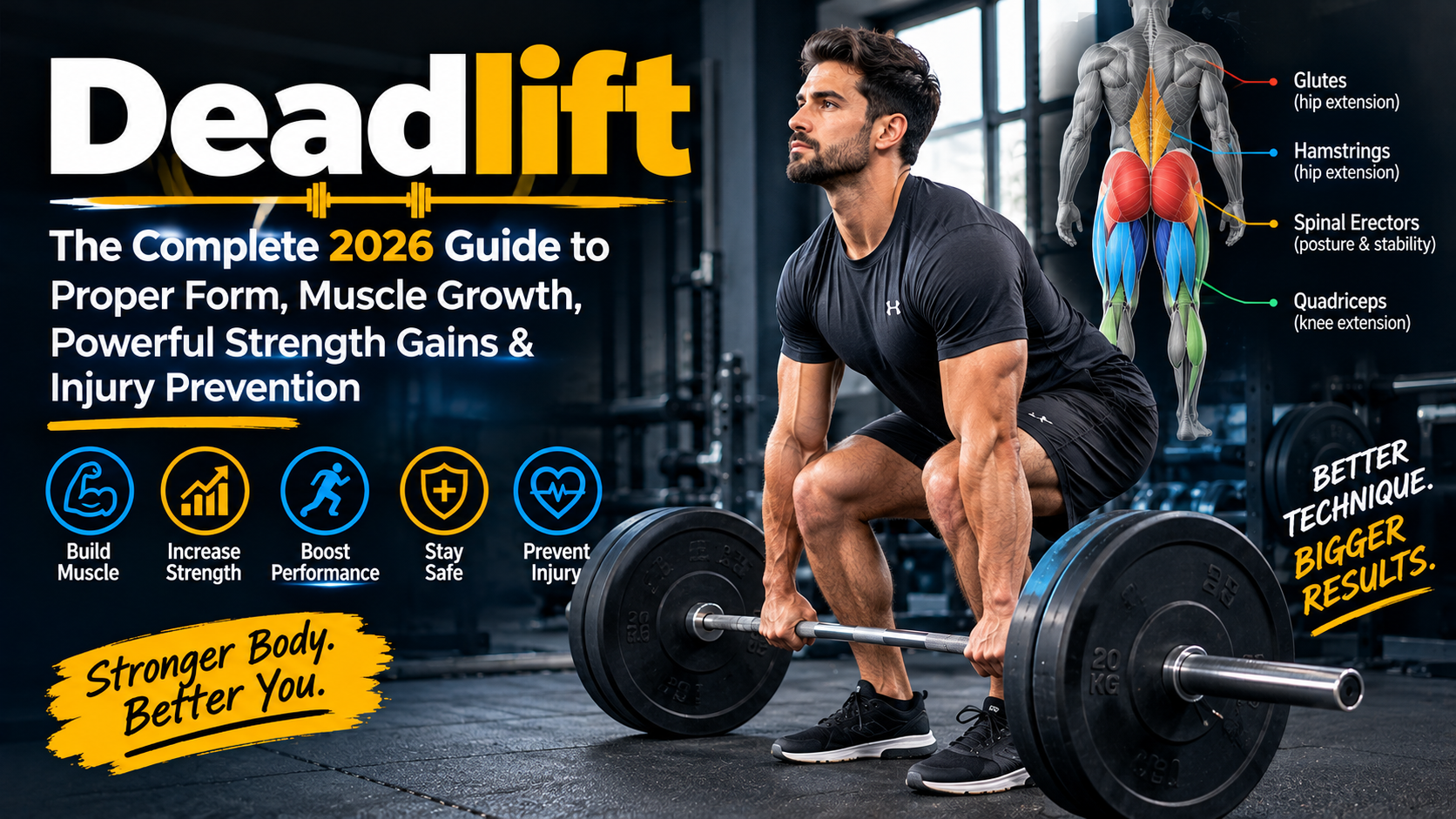
The deadlift is one of the most effective compound exercises for building total-body strength, developing powerful muscles, and improving your ability to lift objects safely. From beginners learning fundamental movement patterns to experienced athletes chasing personal records, this exercise offers substantial benefits when performed with proper technique and appropriate resistance.
Unlike isolation exercises that focus on one muscle group, this movement involves several major muscle groups working together. Your glutes, hamstrings, spinal erectors, upper back, forearms, and core all contribute to lifting the weight from the floor. This coordinated effort makes it valuable for strength training, bodybuilding, athletic performance, and everyday physical activities.
However, lifting heavier weights is not the only measure of progress. Correct positioning, controlled movement, consistent training, and sufficient recovery are essential for long-term improvement. Understanding how the exercise works can help you build strength while avoiding common technique errors that interfere with performance.
What Is a Deadlift?
A deadlift is a compound resistance exercise in which you lift a weighted implement from the floor to a standing position by extending your hips and knees. The movement primarily develops the posterior chain, which includes the glutes, hamstrings, and muscles along the back of your body.
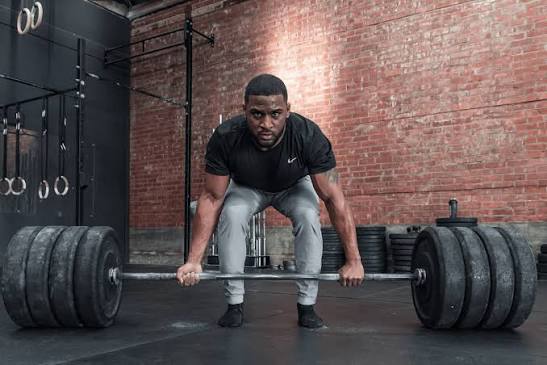
The conventional barbell variation begins with the feet approximately hip-width apart and the bar positioned over the middle of the feet. You bend at the hips and knees, grip the bar, brace your torso, and stand by driving through your feet while keeping the bar close to your body. You then reverse the movement under control to return the weight to the floor.
The exercise resembles picking up a heavy suitcase or lifting a box from the ground. These everyday actions require coordinated hip movement, trunk stability, and leg strength. Practicing sound lifting mechanics can help you develop these physical skills, although gym training does not guarantee injury prevention in daily life.
Which Muscles Does the Deadlift Work?
The primary muscles involved include the gluteus maximus, hamstrings, quadriceps, and spinal erectors. The glutes and hamstrings contribute to hip extension, while the quadriceps help extend the knees as the weight leaves the floor. The spinal erectors work largely to maintain trunk position against the load.
Other muscles play important supporting roles. Your latissimus dorsi helps keep the bar close to your body, your trapezius and upper-back muscles support shoulder-girdle positioning, and your forearms and grip muscles hold the bar securely. Your abdominal muscles and other trunk stabilizers create stiffness that helps you transfer force efficiently.
| Muscle group | Main function | Training benefit |
|---|---|---|
| Glutes | Extend the hips | Hip strength and power |
| Hamstrings | Assist hip extension | Posterior-chain development |
| Quadriceps | Extend the knees | Leg strength |
| Spinal erectors | Maintain trunk position | Back extensor endurance and strength |
| Latissimus dorsi | Help control bar position | Upper-body stability |
| Trapezius | Support shoulder positioning | Upper-back development |
| Forearms and grip muscles | Hold the bar | Grip strength |
| Abdominal muscles | Stabilize the trunk | Core bracing capacity |
The precise contribution of each muscle depends on your technique, body proportions, range of motion, and chosen variation. For balanced development, pair this exercise with movements such as squats, rows, overhead presses, and targeted hamstring work.
How to Perform a Deadlift With Proper Form
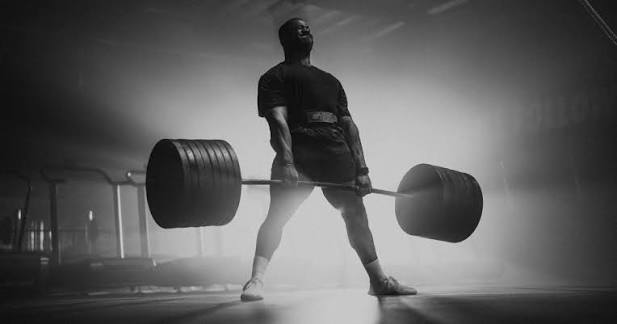
Begin with a light barbell or another manageable weight. Stand with your feet approximately hip-width apart, keeping the bar over the middle of your feet. Bend your hips and knees to reach the bar, then grip it just outside your legs. Your shoulders should be slightly in front of the bar, with your arms straight.
Before lifting, inhale and brace your abdominal muscles as though preparing for a firm push to your stomach. Keep your spine in a stable, comfortable position and engage your lats to help keep the bar close. Push through the floor while extending your knees and hips together, allowing the bar to travel close to your shins and thighs.
Stand tall at the top without leaning backward or excessively thrusting your hips forward. To lower the weight, push your hips backward first, then bend your knees as the bar passes them. Return the weight to the floor under control and reset your position before the next repetition.
A practical coaching cue is: “Push the floor away, keep the bar close, and move your hips and shoulders together.” This encourages coordinated movement instead of relying on your lower back alone to lift the load.
Best Deadlift Variations for Different Goals
Different variations change the range of motion, joint angles, and relative muscular demands. Choosing an appropriate version depends on your experience, mobility, equipment, and training priorities rather than which variation appears most impressive.
The conventional version is a useful general-purpose exercise, while the sumo variation uses a wider stance and typically a more upright torso. Romanian deadlifts emphasize the hip hinge and hamstrings, whereas trap-bar deadlifts allow you to stand inside the bar and hold the handles at your sides. Beginners may find elevated-bar or block-pull variations useful when starting from the floor is uncomfortable or technically challenging.
| Variation | Main emphasis | Suitable application |
|---|---|---|
| Conventional barbell | Full-body strength and posterior chain | General strength training |
| Sumo | Hip and leg drive with a wider stance | Lifters comfortable with the position |
| Romanian | Hamstrings and glutes | Posterior-chain hypertrophy |
| Trap bar | Legs and hips with a different loading position | Beginners and general strength |
| Rack pull | Partial-range pulling strength | Specific strength goals |
| Dumbbell | Accessible hip-hinge practice | Home workouts and beginners |
No variation is universally best. For example, someone with limited access to equipment may build substantial strength using dumbbells, while an experienced powerlifter may prefer conventional or sumo pulls because those movements match their competitive goals.
Benefits for Muscle Growth, Strength, and Everyday Fitness
One of the biggest advantages is its ability to train multiple muscle groups in a coordinated movement. This makes it an efficient exercise for developing strength throughout the hips, legs, back, and grip. It can also support muscle hypertrophy when combined with sufficient training volume, appropriate resistance, and adequate nutrition.
The exercise develops hip-extension strength, which contributes to activities such as climbing stairs, lifting objects, and accelerating during sports. Stronger grip muscles can improve performance in other resistance exercises, while practicing trunk bracing can help you learn to maintain a stable torso under load.
Another benefit is measurable progression. You can gradually increase the weight, improve repetition quality, or perform additional repetitions with the same resistance. These improvements make it easier to track training outcomes over time.
However, the movement is physically demanding and may create substantial fatigue. More is not always better. A well-designed program balances challenging sets with sufficient recovery, rather than treating every workout as a test of maximum strength.
Common Deadlift Mistakes and How to Fix Them
One frequent mistake is allowing the bar to drift away from the body. This increases the distance between the load and your hips, potentially increasing the demands on your trunk and back. Keep the bar close to your legs throughout the lift, using your lats to help control its path.
Another problem is lifting with the hips rising too quickly. When this happens, the movement can turn into a less efficient, back-dominant pull. Start with a position that allows you to push through the floor while your hips and shoulders rise together. Your ideal starting height depends on your anatomy, so avoid forcing yourself into an unnatural position.
Excessive lower-back rounding under heavy loads, jerking the bar from the floor, and leaning backward at lockout are also common errors. Reduce the weight if you cannot maintain a stable, repeatable technique. Use a controlled setup and reset between repetitions instead of rushing through a set.
Finally, avoid increasing resistance too aggressively. If your grip fails, your position deteriorates, or the bar moves unpredictably, end the set. Progress comes from repeated high-quality training, not from completing every repetition at any cost.
How Much Weight, How Many Reps, and How Often?
Your training prescription should match your goals and experience. Beginners benefit from learning the movement with a light load before attempting challenging sets. More experienced lifters can use heavier resistance, but they should still maintain consistent technique and appropriate recovery.
The following ranges are general starting points rather than strict rules.
| Training goal | Sets | Repetitions | Rest |
|---|---|---|---|
| Technique development | 2–3 | 5–8 | 2 minutes |
| Muscle growth | 3–4 | 6–12 | 2–3 minutes |
| Strength development | 3–5 | 3–6 | 3–5 minutes |
| General fitness | 2–3 | 6–10 | 2–3 minutes |
For most beginners, one weekly session is a reasonable starting point. Some experienced lifters train the movement or its variations more frequently, provided their workload and recovery support it. Allow enough time between demanding sessions for soreness and fatigue to settle.
You do not need to test your one-repetition maximum regularly to make progress. Instead, increase resistance gradually when you can complete your planned sets with stable technique and without excessive strain. Keep several repetitions in reserve during early training and reserve maximal attempts for appropriately prepared lifters.
Deadlift Safety and Injury Prevention
Safe training starts with appropriate loading, a stable setup, and a movement pattern you can repeat consistently. Warm up with a few minutes of light activity followed by progressively heavier practice sets. Check that your equipment is secure, use suitable footwear, and make sure the lifting area is clear.
A rounded or neutral-looking back should not be treated as a simple pass-or-fail indicator in isolation; spinal movement varies between individuals, and not every instance of rounding causes injury. Nevertheless, sudden changes in position under heavy loads, poor load management, and lifting beyond your current capacity are reasons to reduce resistance and reassess your technique.
If you experience sharp pain, radiating symptoms, numbness, or sudden weakness, stop exercising and seek appropriate medical assessment. People with existing back conditions, recent injuries, or other medical concerns should consult a qualified healthcare professional about suitable exercise modifications.
Remember that good technique reduces avoidable problems but cannot eliminate all risk. Gradual progression, adequate sleep, sufficient food, and realistic training expectations are just as important as the position of your spine.
How to Include Deadlifts in a Balanced Workout
This movement often works best early in a strength session, when fatigue is relatively low. A lower-body workout might include the main lift, a squat variation, Romanian deadlifts or hamstring curls, and calf raises. Manage the total workload carefully because several of these exercises place demands on overlapping muscle groups.
For a beginner following a full-body routine, one or two moderate sets can provide enough practice initially. Over time, you can build toward more sets as your technique improves and recovery remains manageable. Pair the exercise with upper-body pushing and pulling movements across the week to develop a more balanced program.
Experienced lifters may separate heavy pulling sessions from demanding lower-body training or use a lighter variation on another day. The best arrangement depends on your schedule, sport, training history, and ability to recover. Consistency and appropriate workload matter more than following a complicated routine.
Frequently Asked Questions
Is the deadlift suitable for beginners?
Yes, beginners can learn this movement by starting with a light load, practicing the hip hinge, and focusing on a stable setup. Dumbbells, a trap bar, or an elevated starting position may make learning easier. Increase resistance gradually as your control and confidence improve.
Does the deadlift build muscle?
Yes, it can contribute to muscle growth in the glutes, hamstrings, spinal erectors, and other supporting muscles. Results depend on consistent training, adequate effort, sufficient food and protein, and recovery. Complementary exercises can help target muscles that need additional volume.
Is the exercise bad for your lower back?
It is not inherently bad for the lower back. The muscles surrounding the spine work to control the torso during the lift, and appropriately prescribed resistance training can improve strength. However, excessive loading, poor preparation, or exercising through concerning symptoms may increase risk.
Should I perform deadlifts on leg day or back day?
Either arrangement can work because the movement trains both the hips and several back muscles. Place it where it best fits your weekly workload and recovery. If your program includes heavy squats and rows, consider how fatigue from one exercise may affect performance in another.
How often should I train the movement?
Many beginners can start with one session per week and adjust according to progress and recovery. More experienced lifters may train different variations more frequently. Avoid repeating demanding sessions when fatigue prevents you from maintaining consistent technique.
Are conventional or sumo deadlifts better?
Neither is universally superior. Conventional pulls typically use a narrower stance, while sumo pulls use a wider stance and different joint positions. Your anatomy, comfort, strength, and competitive goals should guide the choice.
Can I build strength without lifting very heavy weights?
Yes. Moderate resistance can improve strength and muscle size when sets are sufficiently challenging and training progresses over time. Heavier loads are particularly useful for developing maximal strength, but they are not necessary in every workout.
Conclusion
The deadlift is a valuable compound exercise for developing full-body strength, building the posterior chain, improving grip, and practicing controlled lifting mechanics. Its effectiveness depends on choosing a suitable variation, establishing a stable starting position, keeping the bar close, and coordinating your hips and knees throughout the movement.
Start with manageable resistance, learn the technique, and progress gradually as your performance improves. Combine your training with complementary exercises, adequate nutrition, and sufficient recovery to support sustainable results.
The key takeaway is that stronger lifting begins with consistent technique, not simply heavier weights. Train patiently, respect your current limits, and build a foundation that supports long-term strength and fitness.