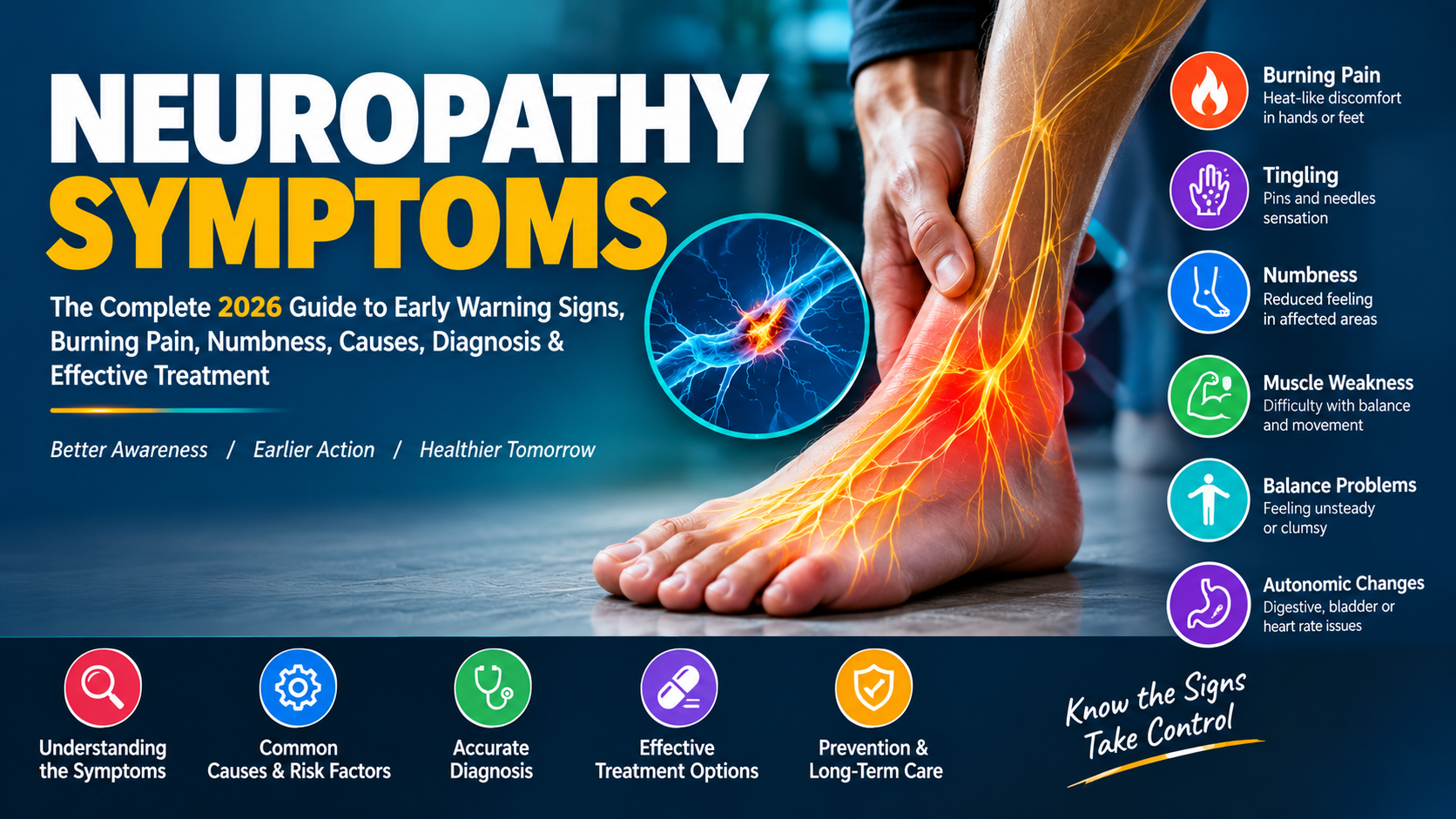
Neuropathy occurs when nerves outside the brain and spinal cord become damaged or stop functioning properly. It can affect sensation, muscle strength, balance, and automatic body functions such as digestion and blood pressure. Symptoms may begin gradually with mild tingling in the toes or fingers, or they may develop more suddenly depending on the underlying cause.
Recognizing neuropathy symptoms early is important because some causes, including vitamin deficiencies, diabetes, medication side effects, and nerve compression, may be treatable. Early medical assessment can help identify the problem, reduce discomfort, and prevent further nerve damage when possible.
Peripheral neuropathy is not a single disease. It describes a group of nerve disorders with different causes, patterns, and levels of severity. Understanding what the symptoms feel like, where they occur, and how they progress can help you recognize when professional evaluation is needed.
Medical note: This article provides general health information, not an individual diagnosis. New, severe, or rapidly worsening symptoms require appropriate medical assessment.
What Are Neuropathy Symptoms?
Neuropathy symptoms are physical changes caused by damage or dysfunction in peripheral nerves. These nerves carry sensory information, control voluntary muscle movement, and regulate certain involuntary functions. When nerve signals become disrupted, a person may experience abnormal sensations, weakness, pain, or changes in sweating and digestion.
The symptoms depend on which nerves are affected. Sensory nerve damage may cause burning, pins and needles, or reduced ability to feel temperature. Motor nerve damage can lead to weakness and difficulty walking, while autonomic nerve damage may affect blood pressure, bladder function, digestion, or heart rate.
Symptoms often develop in the feet and legs first, particularly in length-dependent peripheral neuropathy. Some people notice changes in both feet before their hands become affected. Others experience symptoms in one specific area because of a compressed nerve or localized injury.
Early Warning Signs of Nerve Damage
Early nerve problems can be subtle. A person might notice occasional tingling while resting, a strange sensation when walking barefoot, or reduced sensitivity in the toes. These changes may initially come and go, making them easy to overlook.
Persistent or recurring symptoms deserve attention, particularly when they affect both feet, gradually spread upward, or occur alongside diabetes, heavy alcohol use, nutritional deficiencies, or exposure to certain medications. A sensation that repeatedly returns in the same fingers may instead suggest a localized nerve problem, such as carpal tunnel syndrome.
Common early warning signs include:
- Tingling or pins-and-needles sensations.
- Mild numbness in the toes, feet, fingers, or hands.
- Burning or electric-shock-like discomfort.
- Increased sensitivity to socks, bedsheets, or light touch.
- Reduced awareness of small cuts, blisters, or hot surfaces.
- Occasional balance problems or a feeling of unsteadiness.
Not every instance of tingling indicates neuropathy. Temporary pressure on a nerve can cause brief symptoms that resolve after changing position. Persistent, unexplained, or progressive changes are more concerning and should be evaluated by a healthcare professional.
Burning Pain, Tingling, and Numbness Explained
Burning pain is one of the most recognizable sensory complaints associated with nerve damage. It may feel like heat under the skin even when the skin is normal to the touch. Some people describe sharp, shooting pain, sudden electrical jolts, or discomfort that becomes more noticeable at night.
Tingling often feels like tiny needles, buzzing, or vibrations beneath the skin. Numbness is different: it involves reduced or absent sensation. Someone with numb feet may not notice a small stone inside a shoe, while a person with burning pain may find that even light contact feels unpleasant.
These sensations can occur together, but their pattern matters. Reduced sensation combined with pain may indicate that different sensory nerve fibers are affected. A clinician may assess responses to light touch, vibration, temperature, and pinprick to better understand the type of nerve dysfunction.
Avoid assuming that painful symptoms are always more serious than painless ones. Nerve damage can reduce sensation without causing much discomfort, and this loss of protective feeling may increase the risk of unnoticed wounds and infections.
Common Causes and Risk Factors
Diabetes is a leading cause of peripheral neuropathy. Persistently elevated blood glucose can damage nerves and the small blood vessels that supply them. Diabetic neuropathy commonly affects the feet and legs, although other nerve types may also be involved.
Other possible causes include vitamin B12 deficiency, excessive alcohol consumption, certain chemotherapy medications, autoimmune disorders, kidney disease, infections, inherited conditions, and pressure on individual nerves. Some people develop neuropathy without an identifiable cause, a condition often called idiopathic neuropathy.
| Possible cause | Typical clues | Important next step |
|---|---|---|
| Diabetes or prediabetes | Gradual tingling, burning, or numbness in both feet | Assess glucose control with a clinician |
| Vitamin B12 deficiency | Numbness, balance problems, sometimes fatigue | Consider blood testing when indicated |
| Alcohol-related nerve damage | Progressive sensory symptoms, sometimes weakness | Discuss alcohol intake and nutritional status |
| Nerve compression | Symptoms concentrated in a particular hand, arm, leg, or foot | Evaluate nerve distribution and possible compression |
| Medication-related neuropathy | Symptoms arising during or after certain treatments | Review medicines with the prescribing clinician |
| Autoimmune or other systemic disease | Symptoms accompanied by other unexplained health changes | Investigate the underlying condition |
These patterns are clues, not definitive diagnoses. Several conditions can produce similar symptoms, and more than one cause may be present at the same time. Never stop a prescribed medicine or begin high-dose supplements without appropriate medical guidance.
Different Types of Peripheral Neuropathy
Peripheral neuropathy can affect one nerve, several separate nerves, or many nerves throughout the body. The distribution of symptoms helps clinicians distinguish among these patterns and decide which tests may be useful.
Peripheral polyneuropathy often affects multiple nerves, commonly starting in the feet. Mononeuropathy affects an individual nerve, as in carpal tunnel syndrome, while multiple mononeuropathy involves separate nerves in different locations. Autonomic neuropathy affects involuntary functions, including digestion, sweating, and blood pressure regulation.
The type of nerve involved also matters. Sensory neuropathy affects feeling, motor neuropathy affects muscle control, and autonomic neuropathy affects internal body functions. Some people experience a combination of all three.
Understanding these differences helps explain why two people with nerve damage can have very different experiences. One person may mainly notice burning feet, while another develops weakness, dizziness when standing, or digestive difficulties.
Muscle Weakness, Balance Problems, and Other Symptoms
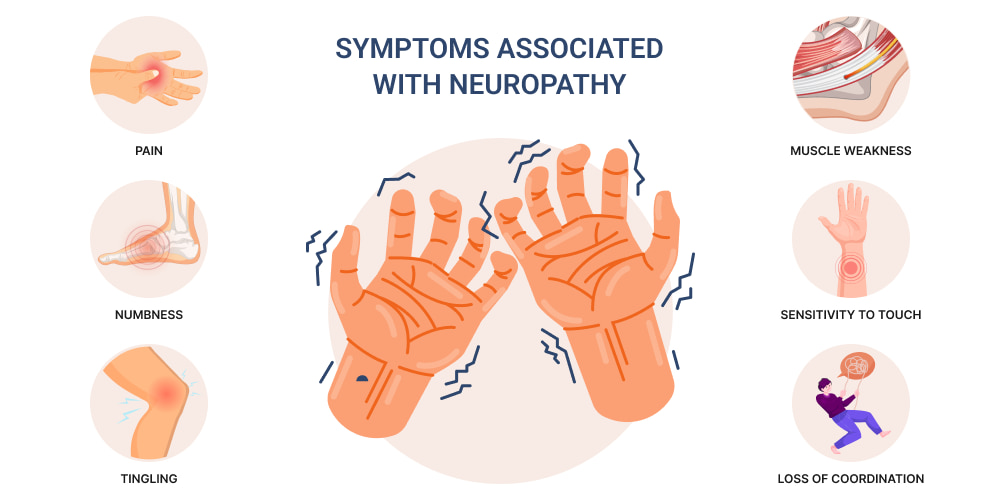
Nerve damage is not limited to unusual skin sensations. When motor nerves are affected, muscles may become weak, coordination may deteriorate, and ordinary movements can require more effort. Some people have difficulty lifting the front of a foot, climbing stairs, opening jars, or standing from a chair.
Balance problems can develop when sensory nerves no longer provide reliable information about the position of the feet and legs. A person may feel less stable in dim lighting because vision can no longer compensate as effectively for reduced sensation. Severe weakness or foot drop can increase the risk of falls and warrants medical evaluation.
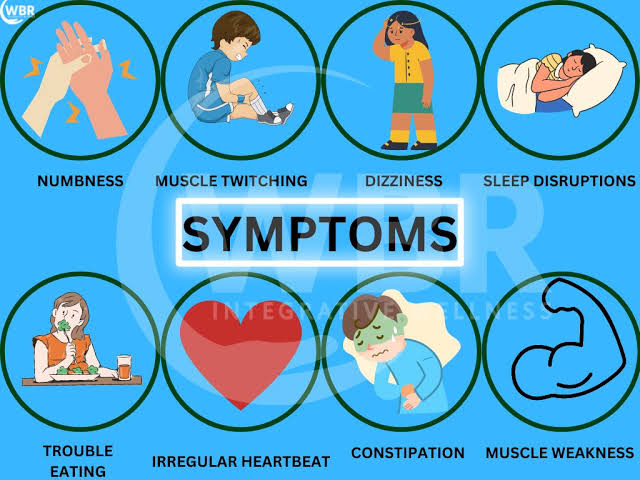
Autonomic nerve damage can produce a different set of problems, including dizziness upon standing, unusual sweating, constipation, diarrhea, bladder difficulties, or sexual dysfunction. These symptoms have many possible causes, so they should not automatically be attributed to neuropathy.
Keeping a record of symptom location, timing, progression, and associated changes can help a clinician recognize patterns. For example, noting whether weakness is getting worse over days or months may influence how urgently an assessment is needed.
How Neuropathy Is Diagnosed
Diagnosing neuropathy usually begins with a medical history and neurological examination. A clinician may ask about the onset of symptoms, their location, diabetes, alcohol use, diet, medications, family history, and possible exposure to toxins. The examination may assess muscle strength, reflexes, balance, walking, and the ability to feel vibration or temperature.
Blood tests can investigate common underlying causes, such as diabetes, vitamin B12 deficiency, and thyroid or kidney disorders when clinically appropriate. Depending on the symptoms, additional tests may be needed to investigate inflammation, nutritional problems, or other systemic conditions.
Nerve conduction studies measure how electrical signals travel along peripheral nerves. Electromyography (EMG) evaluates electrical activity in muscles and can help identify certain nerve and muscle disorders. These tests are particularly useful when weakness, an unclear diagnosis, or possible nerve compression requires further investigation.
Not everyone needs every test. A clinician selects investigations according to the pattern of symptoms and examination findings. If symptoms progress quickly, involve significant weakness, or appear with other concerning signs, evaluation should not be delayed while waiting for a routine appointment.
Treatment Options and Practical Ways to Manage Symptoms
Treatment depends on the underlying cause, the type of nerve damage, and the severity of symptoms. When a treatable cause is identified, addressing it may prevent further damage and sometimes improve nerve function. For example, managing blood glucose can reduce the risk of progression in diabetic neuropathy, while treating a confirmed vitamin B12 deficiency may help prevent additional neurological injury.
Nerve pain may be treated with prescription medicines such as duloxetine, pregabalin, or gabapentin, depending on the patient’s circumstances and local prescribing guidance. These medicines can reduce symptoms, but they do not necessarily repair damaged nerves. Side effects, interactions, and individual health conditions must be considered by the prescribing clinician.
Practical steps can improve safety and day-to-day comfort:
- Inspect the feet daily for cuts, blisters, redness, or swelling.
- Wear properly fitting shoes that protect against pressure and injury.
- Use appropriate lighting and remove household trip hazards.
- Stay physically active within your abilities and follow professional advice about balance or strength exercises.
- Manage diabetes and other diagnosed conditions with a healthcare professional.
- Avoid smoking and discuss alcohol use if either may be contributing to nerve damage.
Supplements are not a universal solution. Excess vitamin B6 can itself cause sensory nerve damage, and taking vitamins without a confirmed need may delay proper treatment. Persistent pain, worsening sensation, or reduced mobility deserves reassessment rather than relying exclusively on home remedies.
When Neuropathy Symptoms Require Urgent Medical Attention
Some nerve-related problems develop gradually, while others signal a medical emergency. Sudden numbness or weakness affecting one side of the body, particularly with facial drooping, speech difficulty, confusion, or sudden vision changes, can indicate a stroke. Seek emergency medical care immediately.
Rapidly progressing weakness, difficulty walking that develops over hours or days, trouble breathing or swallowing, or new weakness accompanied by major neurological changes also requires urgent assessment. These features can occur in serious conditions that need prompt treatment.
New numbness around the groin or saddle area, especially with difficulty passing urine, loss of bladder or bowel control, or severe back pain, may indicate compression of nerves in the lower spine. This is an emergency.
People with reduced foot sensation should seek prompt medical advice for wounds, spreading redness, warmth, swelling, or signs of infection. Diabetes and neuropathy can make injuries harder to detect, and seemingly small problems can become serious if left untreated.
Frequently Asked Questions About Neuropathy Symptoms
What are the first signs of neuropathy?
Early signs commonly include tingling, pins and needles, burning sensations, or reduced feeling in the toes and feet. Some people notice increased sensitivity to touch or mild balance problems. Symptoms may develop gradually, and persistent or worsening changes should be evaluated to identify the cause.
Can neuropathy symptoms come and go?
Yes. Some nerve-related sensations fluctuate with activity, body position, or the underlying condition. Temporary tingling can also result from pressure on a nerve without permanent damage. However, recurring or progressive symptoms should not be dismissed, particularly when they affect the same area repeatedly or are accompanied by weakness.
What do neuropathy symptoms feel like in the feet?
People may experience burning, prickling, electric-shock-like pain, numbness, or a sensation that they are wearing socks when barefoot. Some lose the ability to feel temperature or small injuries. Because reduced sensation can increase the risk of foot wounds, regular inspection and protective footwear are important.
Can neuropathy be reversed?
Sometimes, depending on the cause and extent of nerve damage. Treating a vitamin deficiency, correcting a medication-related problem under medical supervision, or addressing nerve compression may improve symptoms in some cases. Other forms of neuropathy can be managed without being fully reversed. Early identification generally provides a better opportunity to prevent further injury.
Does neuropathy get worse at night?
Some people notice more burning or tingling at night, when distractions decrease or discomfort becomes more noticeable. However, nighttime symptoms alone do not confirm neuropathy or reveal its cause. Persistent pain that disrupts sleep should be discussed with a healthcare professional.
What vitamin deficiency can cause neuropathy?
Vitamin B12 deficiency is a recognized cause of nerve damage and may also affect balance and other neurological functions. Other nutritional problems can contribute in particular circumstances, while excessive vitamin B6 can also damage nerves. Testing and clinician-guided treatment are preferable to taking high-dose supplements without knowing the cause.
When should I see a doctor for neuropathy symptoms?
Arrange a medical appointment for persistent, unexplained, recurring, or progressively worsening numbness, tingling, burning pain, or weakness. Seek emergency care for sudden one-sided weakness, breathing or swallowing difficulties, rapidly progressing neurological symptoms, or saddle numbness with new bladder or bowel problems.
Conclusion: Recognizing Nerve Damage Early Can Make a Difference
Recognizing neuropathy symptoms means looking beyond tingling or burning pain to changes in sensation, muscle strength, balance, and involuntary body functions. Diabetes, vitamin deficiencies, medication effects, nerve compression, and several other conditions can contribute to peripheral nerve damage, making an accurate assessment essential.
Although some forms of neuropathy cannot be completely reversed, identifying the underlying cause can help guide treatment, manage discomfort, and reduce the risk of further injury. Protecting the feet, managing chronic conditions, and seeking timely medical advice are practical steps that support long-term health.
The most important takeaway is simple: persistent nerve changes deserve attention, even when they are painless or seem minor. Early evaluation can uncover treatable causes, protect mobility, and help prevent complications before they interfere more seriously with everyday life.