Introduction
The pull up is one of the most effective bodyweight exercises for developing upper-body strength, improving muscular endurance, and building an athletic physique. Popular among gym enthusiasts, athletes, military personnel, and calisthenics practitioners, this classic movement challenges multiple muscle groups using nothing more than a sturdy overhead bar.
Unlike many gym exercises that rely on machines or free weights, this movement requires you to lift your own body against gravity. That makes it an excellent test of relative strength, coordination, grip endurance, and core stability.
Whether your goal is building a wider back, developing stronger biceps, improving athletic performance, or progressing toward advanced calisthenics skills, learning the correct technique can make a significant difference.
However, performing repetitions without proper control can reduce effectiveness and increase unnecessary stress on the shoulders and elbows. Understanding muscle activation, grip selection, progressive overload, and recovery helps you get better results while maintaining good movement quality.
What Is a Pull Up?

A pull up is a compound bodyweight exercise in which you hang from an overhead bar with your palms facing away from your body and pull yourself upward until your chin reaches above the bar.
The movement primarily targets the latissimus dorsi, commonly called the lats, while also engaging the biceps, trapezius, rhomboids, rear deltoids, forearms, and abdominal muscles.
Because several joints and muscle groups work together, it is classified as a compound exercise. Your shoulders and elbows coordinate to produce the pulling movement, while your core muscles help stabilize your body.
This exercise is particularly valuable because it develops relative strength, meaning how strong you are compared with your body weight. For example, someone weighing 70 kilograms who can perform 10 controlled repetitions demonstrates considerable pulling strength relative to their size.
Muscles Worked During Pull Ups
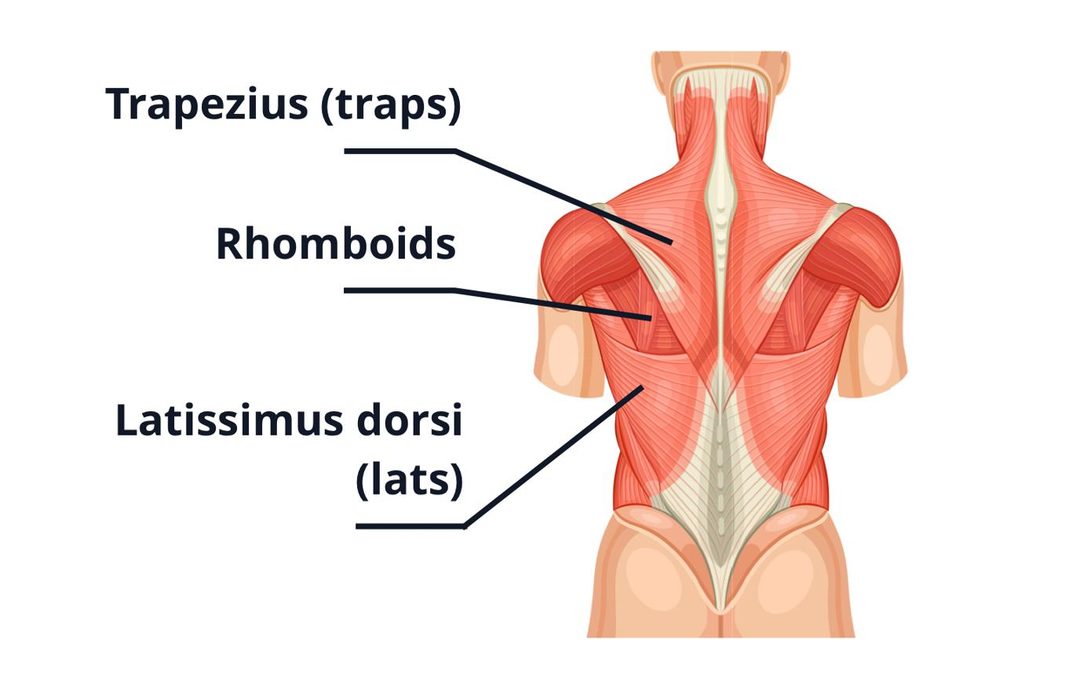
One reason this exercise is so effective is its ability to recruit several upper-body muscles simultaneously. Although the back performs much of the pulling work, the arms, shoulders, and core contribute significantly.
Understanding these muscles helps you appreciate why proper technique matters.
Latissimus Dorsi
The latissimus dorsi, or lats, are the large muscles covering much of the middle and lower back. They help pull your upper arms downward and toward your torso.
Developing these muscles contributes to a wider-looking upper body and improves strength during climbing, rowing, and other pulling activities.
Biceps and Brachialis
The biceps brachii and brachialis assist with elbow flexion as you lift your body. They work particularly hard during the upward phase of the movement.
A stronger biceps muscle can improve pulling performance and contribute to overall arm development.
Trapezius and Rhomboids
The trapezius and rhomboids help control shoulder blade movement and stabilize the upper back. They contribute to maintaining proper shoulder positioning throughout each repetition.
Forearms and Grip Muscles
Your forearms and finger-flexor muscles maintain contact with the bar. Grip strength is especially important because weak hands can become the limiting factor before your back muscles reach their full working capacity.
Core Muscles
Your abdominal muscles, obliques, and spinal stabilizers help prevent excessive swinging. Maintaining a controlled body position makes the exercise more efficient and technically consistent.
How to Perform a Pull Up With Proper Form


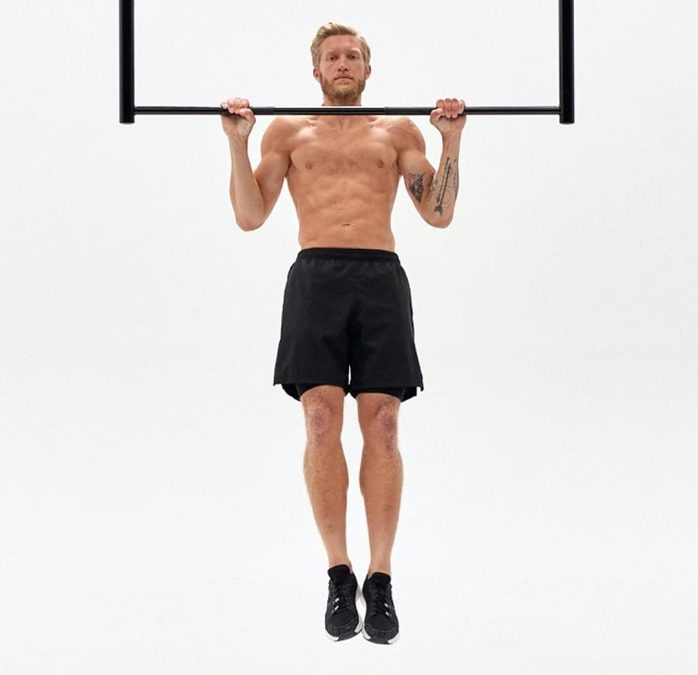
Correct technique allows you to train the intended muscles while controlling unnecessary movement. Beginners should focus on quality repetitions instead of trying to complete as many as possible.
Follow these technique principles:
- Grip the bar: Hold it slightly wider than shoulder width with your palms facing away.
- Establish a stable hang: Allow your body to hang with straight elbows and controlled shoulder positioning.
- Engage your core: Brace your abdominal muscles and keep your legs relatively still.
- Initiate the movement: Pull your shoulder blades downward while bending your elbows.
- Lift your body: Drive your elbows toward your sides until your chin clears the bar.
- Lower slowly: Return to the starting position with controlled movement.
Avoid kicking your legs, swinging your hips, or excessively arching your lower back unless you are intentionally performing a separate dynamic variation.
A useful coaching cue is to imagine pulling your elbows toward your back pockets rather than simply trying to move your chin above the bar. This can help encourage better lat engagement.
Different Pull Up Variations for Muscle Growth


Changing hand position, grip orientation, and resistance can influence muscular emphasis and training difficulty. Different variations are useful for developing strength, improving movement control, and introducing new challenges.
| Variation | Main emphasis | Difficulty |
|---|---|---|
| Standard | Lats and upper back | Intermediate |
| Wide-grip | Lats and upper back | Advanced |
| Close-grip | Back and arms | Beginner–intermediate |
| Neutral-grip | Back and biceps | Beginner–intermediate |
| Chin-up | Biceps and back | Beginner–intermediate |
| Weighted | Overall pulling strength | Advanced |
| Assisted | Technique and strength development | Beginner |
Standard Variation
The standard version uses an overhand grip slightly wider than shoulder width. It provides balanced upper-back and arm involvement and is an excellent foundation for strength development.
Wide-Grip Variation
A wider hand position changes shoulder mechanics and may increase the demand on certain back muscles. However, an excessively wide grip can restrict range of motion and place uncomfortable stress on the shoulders.
Chin-Up Variation
Chin-ups use an underhand grip with palms facing toward you. They generally allow greater biceps contribution and may feel easier for people who have stronger elbow-flexor muscles.
Neutral-Grip Variation
This version uses parallel handles with palms facing each other. It provides a comfortable alternative for many people and can be useful when an overhand or underhand position causes wrist discomfort.
Weighted Variation
Experienced athletes can attach additional resistance using a dip belt or appropriate weight-loading equipment. Adding resistance increases the strength demand, but it should only be introduced after mastering controlled bodyweight repetitions.
Benefits of Pull Ups for Strength, Muscle Growth, and Fitness

The benefits extend beyond developing an impressive back. Because the exercise involves multiple muscle groups, it can improve several aspects of physical performance.
Builds a wider back: Training the lats contributes to upper-body development and creates a broader appearance.
Strengthens the arms: The biceps and brachialis assist throughout the movement, supporting arm strength.
Improves grip strength: Holding your body weight challenges the forearms and finger-flexor muscles.
Develops core stability: Maintaining a controlled hanging position requires abdominal and trunk engagement.
Supports functional fitness: Strong pulling muscles are useful for climbing, lifting, carrying, and various athletic movements.
Improves relative strength: Lifting your own body weight develops strength that transfers well to many bodyweight activities.
For muscle growth, however, the exercise needs to be part of a balanced training program. Adequate protein intake, sufficient calories, progressive resistance, and recovery all contribute to muscular development.
How Beginners Can Build Up to Their First Pull Up
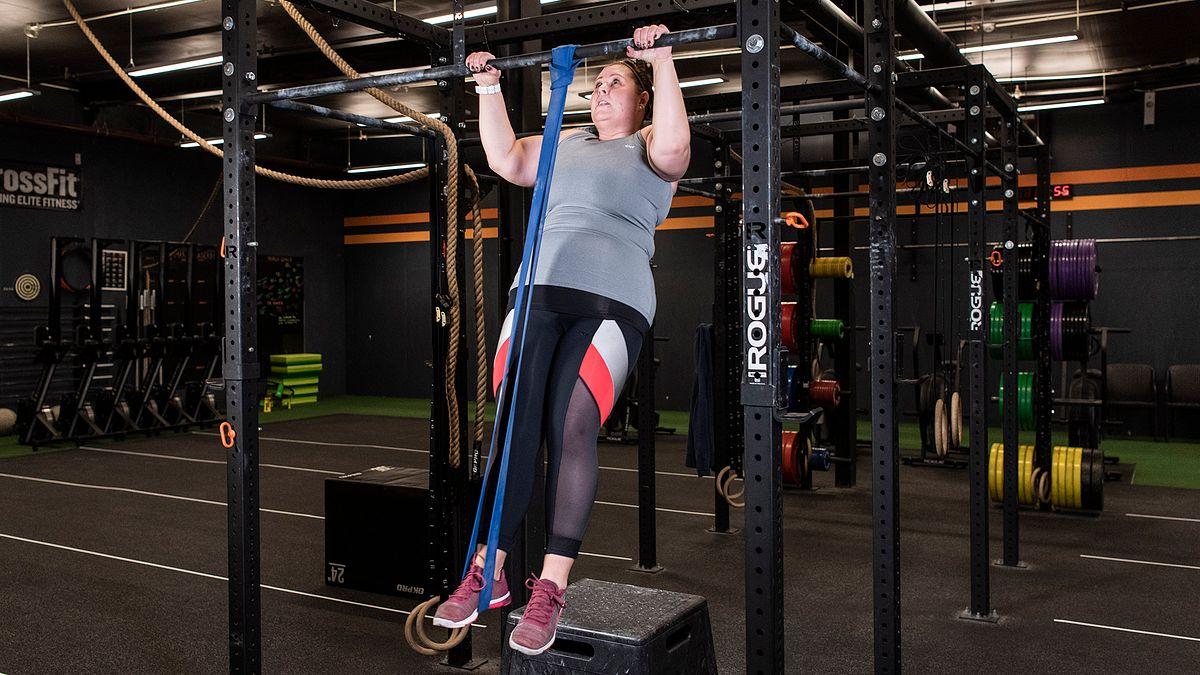
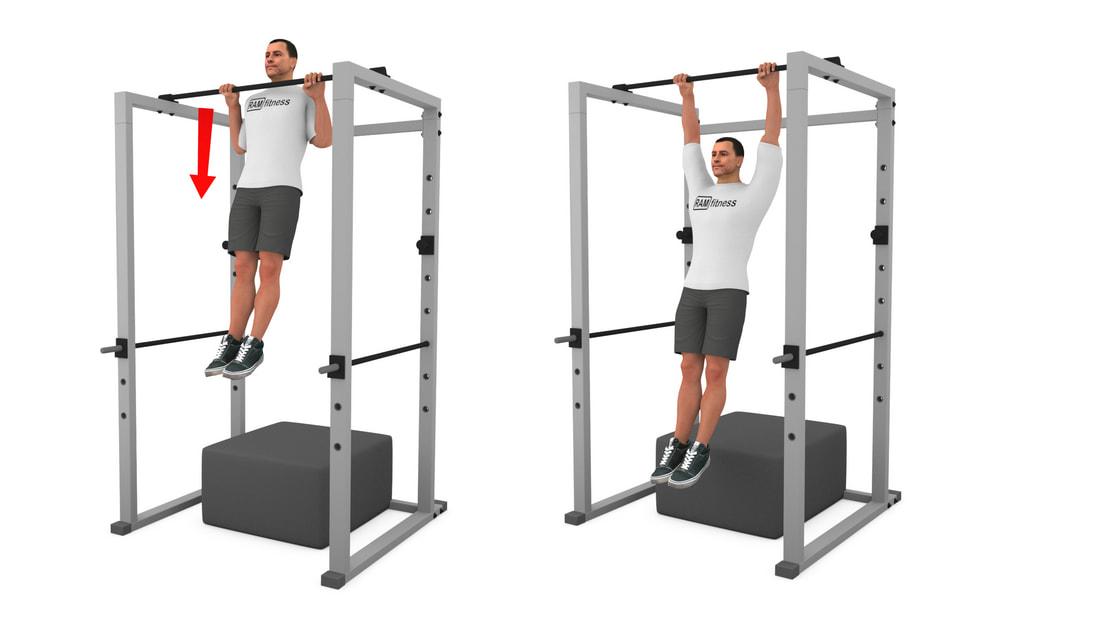

Many beginners struggle because lifting their entire body weight requires considerable strength relative to their current fitness level. This is normal and does not mean they are incapable of mastering the movement.
The best solution is to develop the necessary muscles through easier progressions.
Assisted repetitions: Resistance bands or an assisted machine reduce the amount of body weight you need to lift.
Negative repetitions: Start with your chin above the bar using a safe step or platform, then lower yourself slowly. This develops eccentric strength.
Lat pulldowns: This machine exercise strengthens the lats and supporting muscles using adjustable resistance.
Dead hangs: Simply holding the bar improves grip endurance and helps you become comfortable supporting your body weight.
Scapular pull-ups: Practice moving your shoulder blades while hanging with relatively straight elbows. This develops control during the initial pulling phase.
A beginner can combine these exercises two or three times weekly, allowing sufficient recovery between challenging sessions.
Common Pull Up Mistakes and How to Fix Them
Even experienced gym-goers sometimes develop poor habits that reduce exercise quality. Correcting these mistakes can improve performance and help manage unnecessary joint stress.
| Common mistake | Why it matters | How to improve |
|---|---|---|
| Excessive swinging | Reduces movement control | Keep your core braced |
| Partial repetitions | Limits range of motion | Use controlled repetitions |
| Shrugging shoulders | Reduces shoulder control | Maintain active shoulder positioning |
| Rushing the descent | Reduces eccentric control | Lower gradually |
| Excessively wide grip | May cause shoulder discomfort | Use a comfortable grip width |
| Training through pain | Can worsen injuries | Stop and assess discomfort |
One common problem is attempting too many repetitions before developing sufficient strength. This often leads to incomplete movements, uncontrolled swinging, and excessive fatigue.
A better approach is to perform fewer technically sound repetitions and gradually increase training volume. If you experience sharp shoulder, elbow, or wrist pain, stop the exercise rather than trying to push through it.
The Best Workout Plan for Building Pulling Strength

An effective pulling workout should include vertical pulling, horizontal pulling, and exercises that strengthen the supporting muscles. Combining these movements develops a more balanced back and improves overall upper-body performance.
Here is an example routine for someone with an intermediate fitness level:
| Exercise | Sets | Repetitions |
|---|---|---|
| Standard pull-ups | 3 | 5–8 |
| Lat pulldowns | 3 | 10–12 |
| Seated cable rows | 3 | 10–12 |
| Dumbbell rows | 3 | 8–10 |
| Dead hangs | 2 | 20–30 seconds |
| Dumbbell curls | 2 | 10–12 |
This routine can be performed once or twice weekly depending on your overall training schedule and recovery.
Progressive overload is essential for continued improvement. You can increase repetitions, improve range of motion, slow down the lowering phase, or eventually add resistance. The goal is to challenge your muscles progressively without sacrificing technique.
How Often Should You Train Pull Ups?
Training frequency depends on your experience, recovery ability, and total weekly pulling volume. Beginners may benefit from two sessions per week, while experienced athletes can incorporate additional pulling work when their program allows adequate recovery.
Muscles need time to repair and adapt after challenging resistance exercise. Training to complete exhaustion every day can increase fatigue and interfere with performance.
A practical strategy is to leave approximately 48 hours between demanding sessions targeting the same muscles. Light technique practice may be appropriate on other days, provided it does not create excessive fatigue or discomfort.
Sleep, hydration, nutrition, and consistent training all influence progress. According to the American College of Sports Medicine, resistance training should be structured around individual ability, training goals, and appropriate progression.
Frequently Asked Questions
How many pull ups should a beginner do?
Beginners should focus on completing controlled repetitions rather than chasing a particular number. If you cannot perform a full repetition, assisted exercises, negative repetitions, and lat pulldowns can help build the necessary strength.
Do pull ups build bigger biceps?
Yes. The biceps assist with elbow flexion throughout the movement, making it an effective compound exercise for arm development. Chin-ups generally provide greater biceps involvement because of their underhand grip.
Are pull ups better than lat pulldowns?
Both exercises are effective for developing back strength. Pull-ups require you to lift your body weight and involve substantial core stabilization, while lat pulldowns allow you to adjust resistance more precisely. Including both can support well-rounded back development.
Can pull ups help build a V-shaped back?
Yes. They strongly train the latissimus dorsi, which contributes to the width of the upper back. Combined with rows, appropriate nutrition, and progressive resistance training, they can help develop a broader upper-body appearance.
Should you perform pull ups every day?
Daily high-intensity training is generally unnecessary for most people. Muscles need recovery time, especially after challenging resistance sessions. Two or three well-planned weekly sessions can provide sufficient training stimulus for many individuals.
What grip is best for pull ups?
A shoulder-width or slightly wider overhand grip is an excellent starting position. Neutral and underhand grips are useful alternatives depending on comfort, mobility, and training goals.
How long does it take to achieve your first pull up?
Progress varies according to starting strength, body weight, training consistency, and recovery. Some beginners may achieve their first repetition within several weeks, while others require several months of structured practice.
Conclusion
The pull up remains one of the most valuable exercises for developing upper-body strength, building a wider back, improving grip endurance, and creating a stronger physique. Its combination of muscular demands and bodyweight resistance makes it useful for beginners, experienced lifters, athletes, and calisthenics enthusiasts.
The key to success is mastering proper technique, choosing appropriate variations, and gradually increasing training difficulty. Assisted movements, negative repetitions, lat pulldowns, and resistance training can help beginners build the strength needed for full repetitions.
Remember that impressive results do not come from performing endless repetitions or training through pain. They come from consistent effort, progressive overload, balanced nutrition, and adequate recovery.
Ultimately, mastering this fundamental movement is about more than getting your chin above a bar. It is about developing the strength, control, and confidence to move your body efficiently and perform at a higher level.