


Introduction
Oily skin can be challenging to manage, especially when excess sebum causes a shiny appearance, clogged pores, blackheads, and frequent breakouts. Finding the right products is not simply about removing oil. It involves maintaining a healthy skin barrier, balancing moisture, and preventing irritation while controlling excessive shine.
The best skincare for oily skin focuses on lightweight, non-comedogenic products and carefully selected ingredients that help regulate oil production, remove impurities, and support skin hydration. A consistent routine can improve skin texture, reduce the appearance of clogged pores, and make the complexion look fresher throughout the day.
One common mistake is using harsh cleansers or skipping moisturizer because the skin already feels greasy. Unfortunately, aggressive cleansing can damage the skin barrier, while insufficient hydration can make skincare less comfortable and harder to maintain.
Whether you experience occasional shine, persistent blackheads, enlarged-looking pores, or acne-prone skin, understanding your skin type and choosing suitable ingredients can make a significant difference.
What Causes Oily Skin?
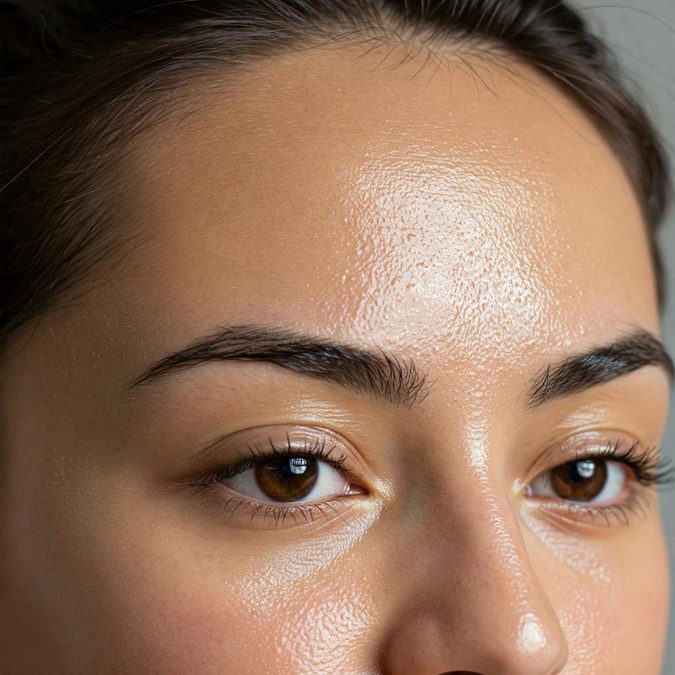

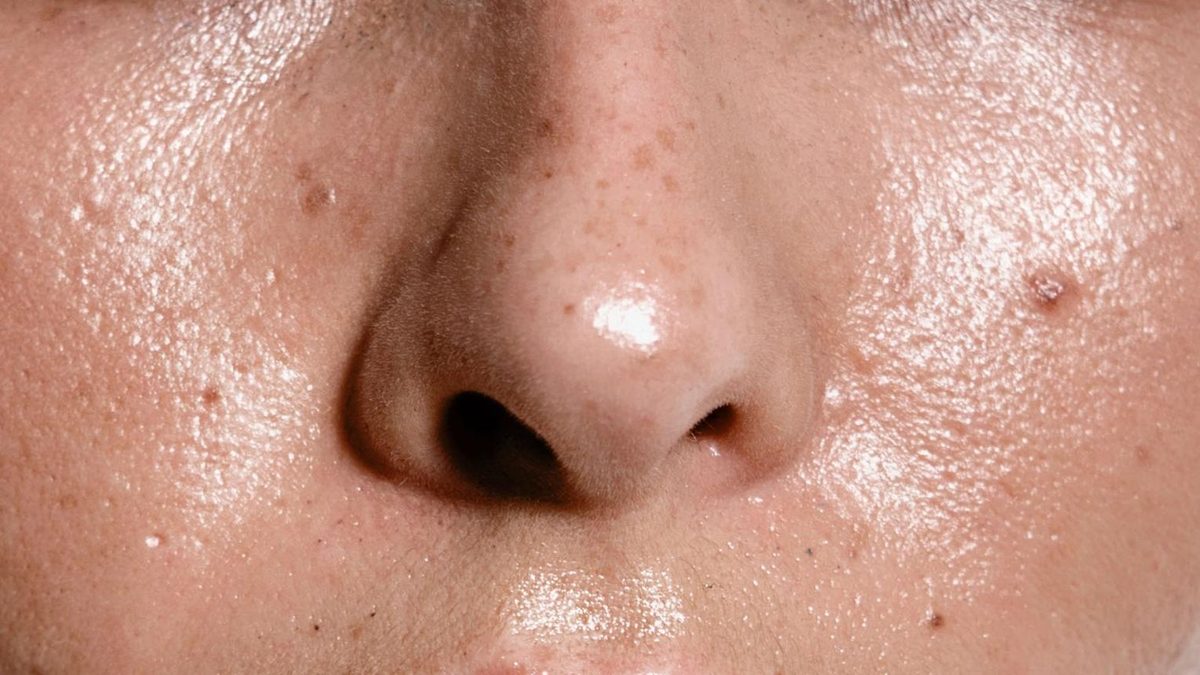
Oily skin develops when the sebaceous glands produce more sebum than the skin needs. Sebum is a natural oily substance that helps lubricate the skin, protect its surface, and prevent excessive moisture loss. However, excessive production can contribute to a shiny complexion and clogged pores.
Several factors influence oil production, including genetics, hormones, age, climate, and skincare habits. Androgens, a group of hormones that includes testosterone, can stimulate sebaceous glands. This explains why some people experience increased oiliness during puberty, menstruation-related hormonal changes, or other hormonal fluctuations.
Hot and humid weather can also make oily skin feel more noticeable. People living in warm climates may experience increased facial shine, particularly around the forehead, nose, and chin, commonly known as the T-zone.
Other contributing factors include:
- Genetic predisposition to increased sebum production.
- Hormonal fluctuations.
- Harsh cleansing and excessive exfoliation.
- Heavy skincare or makeup products.
- Stress and certain lifestyle factors.
- Individual sensitivity to skincare ingredients.
Understanding these causes helps identify why a routine that works for someone with dry skin may be unsuitable for someone with an oily complexion.
Best Skincare Routine for Oily Skin

An effective skincare routine should remove excess oil without stripping the skin’s natural protective barrier. The most useful approach combines gentle cleansing, lightweight hydration, targeted treatment ingredients, and daily sun protection.
The best skincare for oily skin does not require dozens of products. A simple routine with compatible formulations is often easier to maintain and less likely to cause irritation.
Morning Skincare Routine
Start with a gentle, water-based facial cleanser to remove overnight oil and accumulated impurities. Choose a formula that leaves your skin feeling comfortable rather than tight or excessively dry.
Follow with a lightweight moisturizer containing ingredients such as glycerin, hyaluronic acid, or ceramides. These ingredients help maintain hydration without necessarily adding a heavy or greasy feel.
Finish with a broad-spectrum sunscreen with SPF 30 or higher. A lightweight gel, fluid, or matte-finish sunscreen can be particularly comfortable for oily skin.
Evening Skincare Routine
At night, cleanse your face to remove sunscreen, makeup, sweat, and environmental impurities. If you wear long-lasting makeup or water-resistant sunscreen, an appropriate first cleansing step may help remove residue before using your regular facial cleanser.
After cleansing, apply a suitable treatment serum if needed, followed by moisturizer. Ingredients such as niacinamide, salicylic acid, or a dermatologist-recommended retinoid can address specific concerns, including excess shine, clogged pores, and acne.
Avoid introducing several active ingredients simultaneously. Start with one treatment, monitor your skin’s response, and adjust gradually.
Best Ingredients for Oily and Acne-Prone Skin
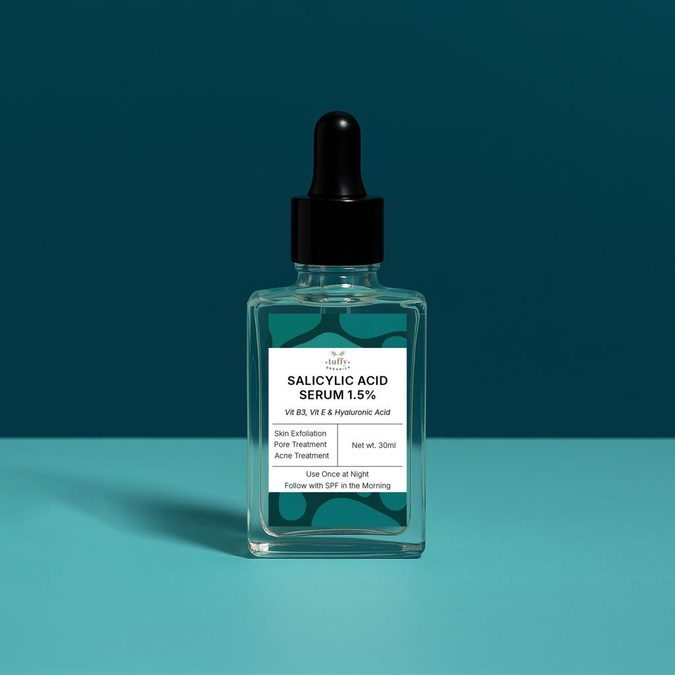

Choosing ingredients is more important than purchasing products based on attractive packaging or expensive branding. Certain skincare ingredients have well-established benefits for managing oiliness, improving hydration, and addressing clogged pores.
| Ingredient | Main benefit | Best use |
|---|---|---|
| Niacinamide | Supports skin barrier and may reduce visible oiliness | Serum or moisturizer |
| Salicylic acid | Helps unclog pores and exfoliate inside them | Acne treatments |
| Hyaluronic acid | Attracts and retains moisture | Hydrating serum |
| Glycerin | Supports skin hydration | Moisturizer |
| Ceramides | Help maintain the skin barrier | Moisturizer |
| Retinoids | Improve acne and skin cell turnover | Night treatment |
| Zinc oxide | Provides mineral UV protection | Sunscreen |
Niacinamide for Oil Control
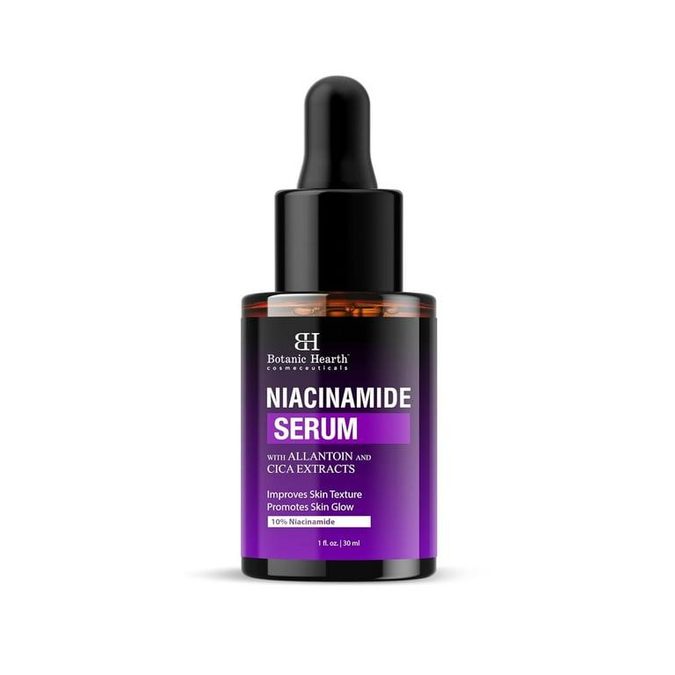
Niacinamide, also known as vitamin B3, is a popular ingredient in skincare products for oily skin. It supports the skin barrier, helps improve uneven skin tone, and may reduce visible oiliness in some people.
It is commonly found in lightweight serums and moisturizers. A moderate concentration is often sufficient, and using a very high percentage does not automatically produce better results.
Salicylic Acid for Clogged Pores
Salicylic acid is a beta-hydroxy acid (BHA) that can penetrate oil-filled pores and help remove accumulated dead skin cells. It is particularly useful for people dealing with blackheads, whiteheads, and mild acne.
However, excessive use can cause dryness, redness, and irritation. Begin with a low-strength product a few times weekly and increase frequency only if your skin tolerates it.
Hyaluronic Acid and Glycerin for Hydration
Oily skin still needs water. Hyaluronic acid and glycerin are humectants that attract moisture and help maintain hydration.
These ingredients are particularly useful when acne treatments or exfoliating products make the skin feel dry. A lightweight hydrating serum can improve comfort without requiring a heavy cream.
Retinoids for Acne and Skin Texture
Retinoids, including adapalene and prescription tretinoin, can help prevent clogged pores and improve acne. They also support skin cell turnover, making them useful for certain concerns involving uneven texture.
Retinoids can cause irritation, especially during the first few weeks. They should be introduced gradually, and pregnant individuals should avoid topical retinoids and consult their healthcare professional about suitable alternatives.
Best Cleanser for Oily Skin: What to Look For
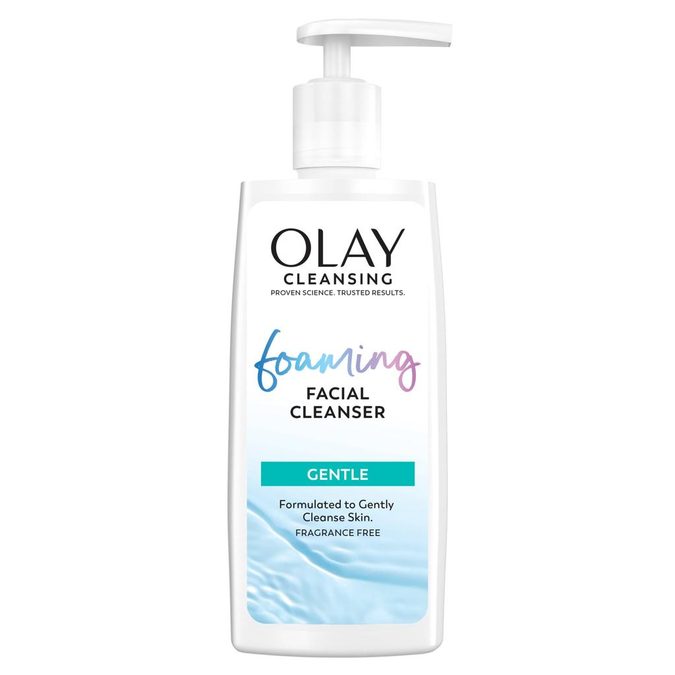


A good facial cleanser removes excess sebum, sweat, sunscreen, and environmental impurities without damaging the skin barrier. For oily complexions, lightweight gel cleansers and gentle foaming face washes are often comfortable choices.
Look for cleansers containing mild surfactants and, if you experience clogged pores, a suitable concentration of salicylic acid. Avoid products that leave your face feeling unusually tight, rough, or irritated after washing.
The American Academy of Dermatology (AAD) recommends gentle cleansing rather than aggressive scrubbing. Its guidance is particularly useful for people who repeatedly wash their faces because of excessive shine.
“Use a gentle, foaming face wash.” — American Academy of Dermatology
American Academy of Dermatology
Washing your face up to twice daily and after heavy sweating is generally sufficient. Repeated cleansing throughout the day can irritate the skin and make oil management more difficult.
Best Moisturizer for Oily Skin
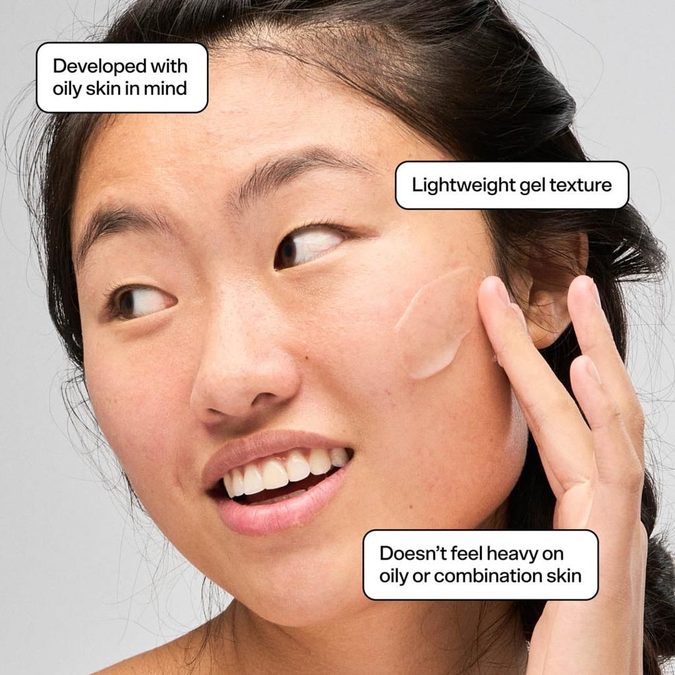
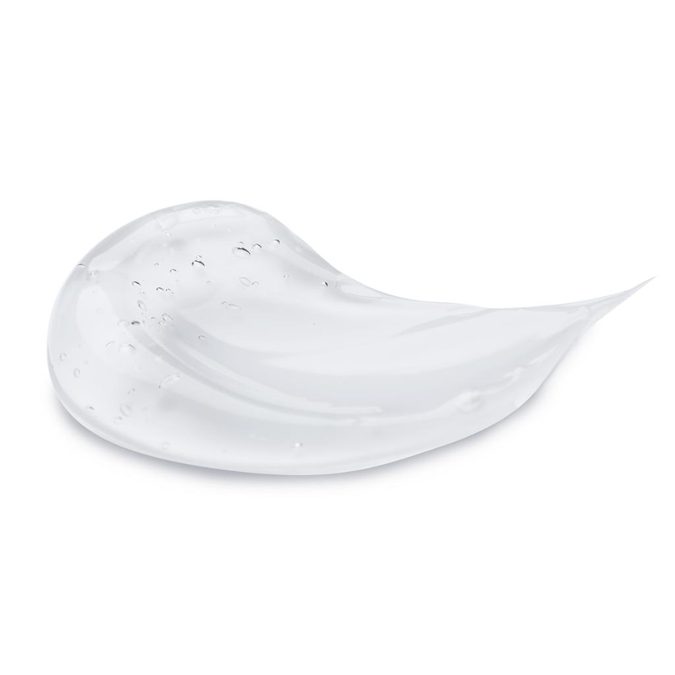
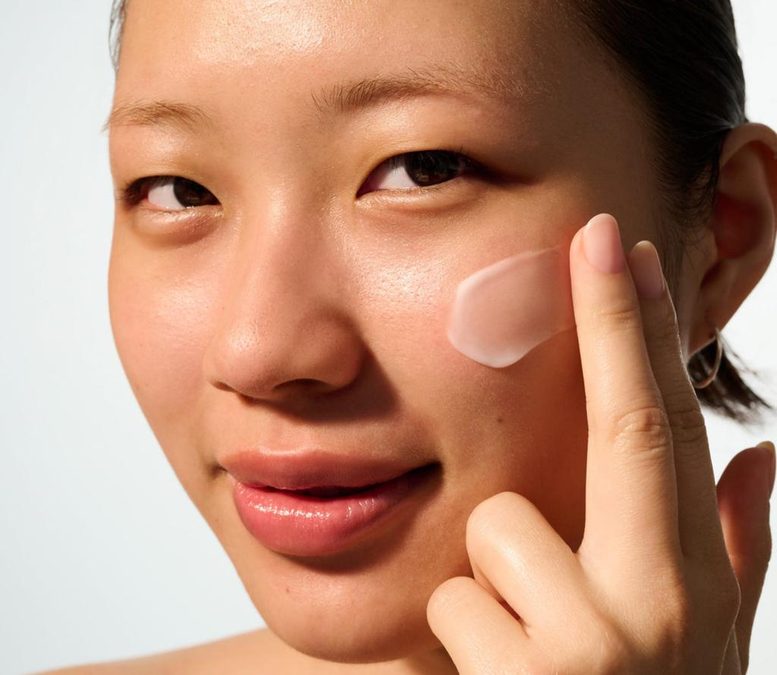
Moisturizing is essential even when your face produces considerable oil. Sebum and hydration are not the same thing: sebum is an oily substance, while hydration relates to water content in the skin.
A lightweight gel moisturizer or oil-free lotion can provide hydration without leaving a heavy residue. Look for glycerin, hyaluronic acid, panthenol, and ceramides, which support moisture retention and skin barrier function.
People using salicylic acid, benzoyl peroxide, or retinoids may particularly benefit from moisturizing because these treatments can cause dryness and irritation. The AAD recommends choosing products labeled oil-free or non-comedogenic when managing acne-prone skin. American Academy of Dermatology+1
The right moisturizer should leave your skin comfortable rather than greasy. If a product consistently causes irritation or breakouts, reconsider its formulation instead of assuming that all moisturizers are unsuitable for oily complexions.
Best Sunscreen for Oily Skin

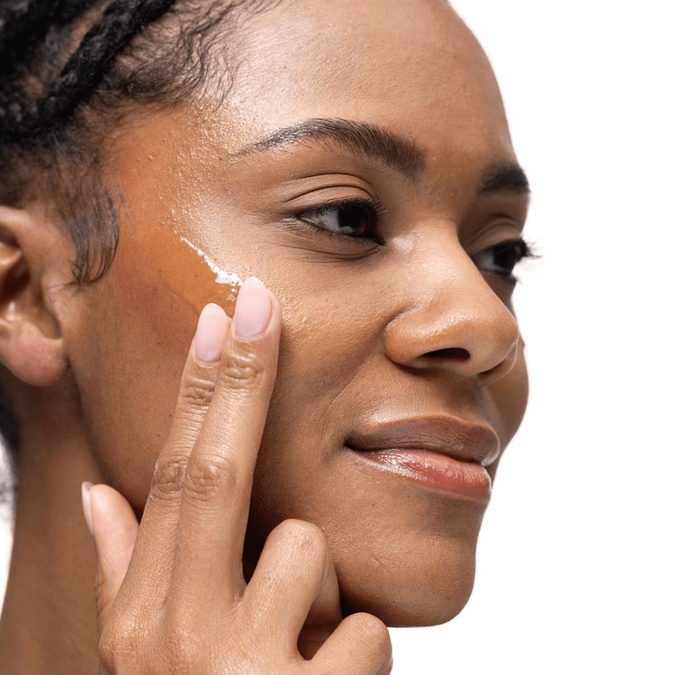

Daily sunscreen is one of the most important parts of a healthy skincare routine. Ultraviolet radiation contributes to premature aging, pigmentation, and skin cancer, regardless of whether your complexion is oily or dry.
Choose a broad-spectrum sunscreen with SPF 30 or higher. Lightweight gel, fluid, and matte-finish formulations can be more comfortable for people who dislike the greasy feeling associated with some traditional sunscreen products.
Look for labels such as non-comedogenic and oil-free if you are prone to clogged pores. Mineral sunscreens containing zinc oxide or titanium dioxide may also be suitable, although individual formulations can feel different on the skin.
In hot and humid climates, a water-resistant sunscreen can be particularly practical when sweating or spending time outdoors. Reapply according to the product instructions, especially after swimming, sweating, or towel drying. American Academy of Dermatology+1
Common Skincare Mistakes That Make Oily Skin Worse

One of the biggest mistakes is trying to remove every trace of natural oil. Harsh cleansers, alcohol-heavy toners, and excessive exfoliation can damage the skin barrier and cause irritation. A damaged barrier may make the complexion feel uncomfortable, tight, and sensitive.
Another common mistake is using too many active ingredients simultaneously. Combining several exfoliating acids, retinoids, and acne treatments without a clear plan can increase redness, peeling, and dryness.
Other habits worth avoiding include:
- Scrubbing the face with rough cleansing tools.
- Washing the face repeatedly throughout the day.
- Sleeping with makeup on.
- Using heavy products that clog pores.
- Picking or squeezing pimples.
- Skipping sunscreen.
- Changing skincare products too frequently.
The solution is to simplify your routine. Use gentle products, introduce active ingredients gradually, and give a consistent routine enough time to work. Dermatologists note that acne treatments can take several weeks or even a few months to produce noticeable improvements. American Academy of Dermatology
How to Choose Skincare According to Your Oily Skin Type
Not everyone with an oily complexion experiences the same problems. Some people mainly struggle with forehead shine, while others experience persistent acne, blackheads, sensitivity, or dehydration.
The best skincare for oily skin should address your individual concerns rather than relying on a universal product combination. For example, someone with occasional shine may need only a gentle cleanser, lightweight moisturizer, and sunscreen, while someone with persistent acne may require targeted treatment.
| Skin concern | Suitable skincare approach | Ingredients to consider |
|---|---|---|
| Excessive shine | Lightweight, oil-free products | Niacinamide |
| Blackheads | Gentle pore-focused exfoliation | Salicylic acid |
| Frequent pimples | Targeted acne treatment | Benzoyl peroxide, adapalene |
| Dehydrated oily skin | Lightweight hydration | Glycerin, hyaluronic acid |
| Uneven skin texture | Gradual skin renewal | Retinoids |
| Post-acne dark spots | Pigmentation-focused treatment | Azelaic acid |
| Sensitive oily skin | Minimal, fragrance-free routine | Ceramides, panthenol |
For persistent inflammatory acne, painful cysts, or developing scars, over-the-counter skincare may not be enough. A dermatologist can recommend appropriate prescription treatments and help prevent long-term skin damage.
Frequently Asked Questions
What is the best skincare routine for oily skin?
A good routine includes a gentle facial cleanser, lightweight moisturizer, and broad-spectrum SPF 30 or higher sunscreen in the morning. In the evening, cleanse your face and use suitable treatments such as niacinamide, salicylic acid, or a dermatologist-recommended retinoid. Consistency and gentle product selection are more important than using numerous skincare products.
Which ingredients are best for oily and acne-prone skin?
Niacinamide, salicylic acid, benzoyl peroxide, adapalene, and azelaic acid are useful ingredients for different oily-skin concerns. Niacinamide supports the skin barrier, salicylic acid helps unclog pores, and benzoyl peroxide targets acne-causing bacteria. The right ingredient depends on whether your primary concern is excess shine, blackheads, or inflammatory acne.
Should people with oily skin use moisturizer?
Yes. Oily skin still needs hydration to maintain a healthy protective barrier. A lightweight, oil-free, non-comedogenic moisturizer containing glycerin, hyaluronic acid, or ceramides can help prevent dryness without creating an excessively greasy feeling.
Is salicylic acid good for oily skin?
Yes. Salicylic acid is particularly useful for oily and acne-prone skin because it helps exfoliate inside pores and remove accumulated dead skin cells. It can improve the appearance of blackheads and whiteheads. However, excessive use may cause irritation, so introduce it gradually.
How often should oily skin be washed?
Most people should cleanse their face up to twice daily and after heavy sweating. Washing too frequently can irritate the skin and disrupt its natural protective barrier. Use lukewarm water, a gentle cleanser, and your fingertips rather than rough scrubbing tools.
Does oily skin need sunscreen every day?
Yes. Oily skin requires daily sun protection just like every other skin type. Choose a broad-spectrum sunscreen with SPF 30 or higher and a lightweight, non-comedogenic formulation. Sunscreen helps protect against ultraviolet damage, premature aging, pigmentation, and skin cancer.
Can oily skin become dehydrated?
Yes. Dehydration refers to insufficient water in the skin, whereas oiliness relates to sebum production. A person can experience excessive facial shine while also having tightness, flaking, or discomfort. Lightweight moisturizers containing humectants can help improve hydration.
How long does it take to improve oily skin?
Some people notice improved comfort and reduced shine within a few weeks of adopting a suitable routine. However, acne treatments often require six to eight weeks or longer to show meaningful improvements. Results depend on the underlying skin concern, product formulation, consistency, and individual response.
Conclusion
Finding the best skincare for oily skin is about achieving balance rather than eliminating every trace of natural oil. A healthy complexion needs appropriate cleansing, hydration, protection, and targeted treatments that address individual concerns.
Gentle cleansers, niacinamide, salicylic acid, lightweight moisturizers, and daily sunscreen can form an effective foundation for managing excess shine, clogged pores, and acne-prone skin.
It is equally important to avoid harsh cleansing, excessive exfoliation, and unnecessarily complicated routines. These habits can damage the skin barrier and make existing concerns more difficult to manage.
Ultimately, healthy skin comes from understanding its needs and choosing products that support its natural functions. A simple, consistent, and evidence-informed routine can help you achieve clearer-looking, more comfortable skin without fighting against your skin’s natural balance.