Moving comfortably is essential for almost everything you do, from getting out of bed and climbing stairs to lifting weights, running, and playing sports. Yet long hours sitting, repetitive movements, limited exercise variety, and ageing can gradually make certain joints feel stiff or restricted. You might notice difficulty reaching overhead, rotating your upper body, or getting into a deep squat.
The best exercises for mobility help improve how comfortably and effectively your joints move through their available ranges of motion. Unlike passive stretching, mobility training combines movement, flexibility, muscular control, and coordination. It can help you move with greater confidence, improve exercise technique, and make everyday activities feel less restrictive.

What Is Mobility and Why Does It Matter?
Mobility is the ability to move a joint actively through a comfortable range of motion while maintaining control. It involves several factors, including muscle flexibility, joint structure, strength, balance, and nervous system coordination. For example, being able to lift your arm overhead is one thing; controlling that movement without arching your lower back is another.
Mobility and flexibility are related, but they are not identical. Flexibility generally describes how far a muscle or group of muscles can lengthen, while mobility describes how well you can actively use a joint’s range of motion. A person may be flexible enough to reach a deep squat passively but lack the strength and control to maintain that position comfortably.
Good mobility supports daily movement and physical performance. It can help you squat, bend, rotate, reach, and walk with better control. It does not guarantee injury prevention or eliminate pain, but developing strength and movement confidence across comfortable ranges can be valuable for long-term fitness.
Best Exercises for Mobility
A balanced routine should address the major areas that contribute to everyday movement: hips, ankles, shoulders, thoracic spine, and lower back. These exercises require little equipment and can be adapted to different fitness levels.

Cat-Cow Stretch
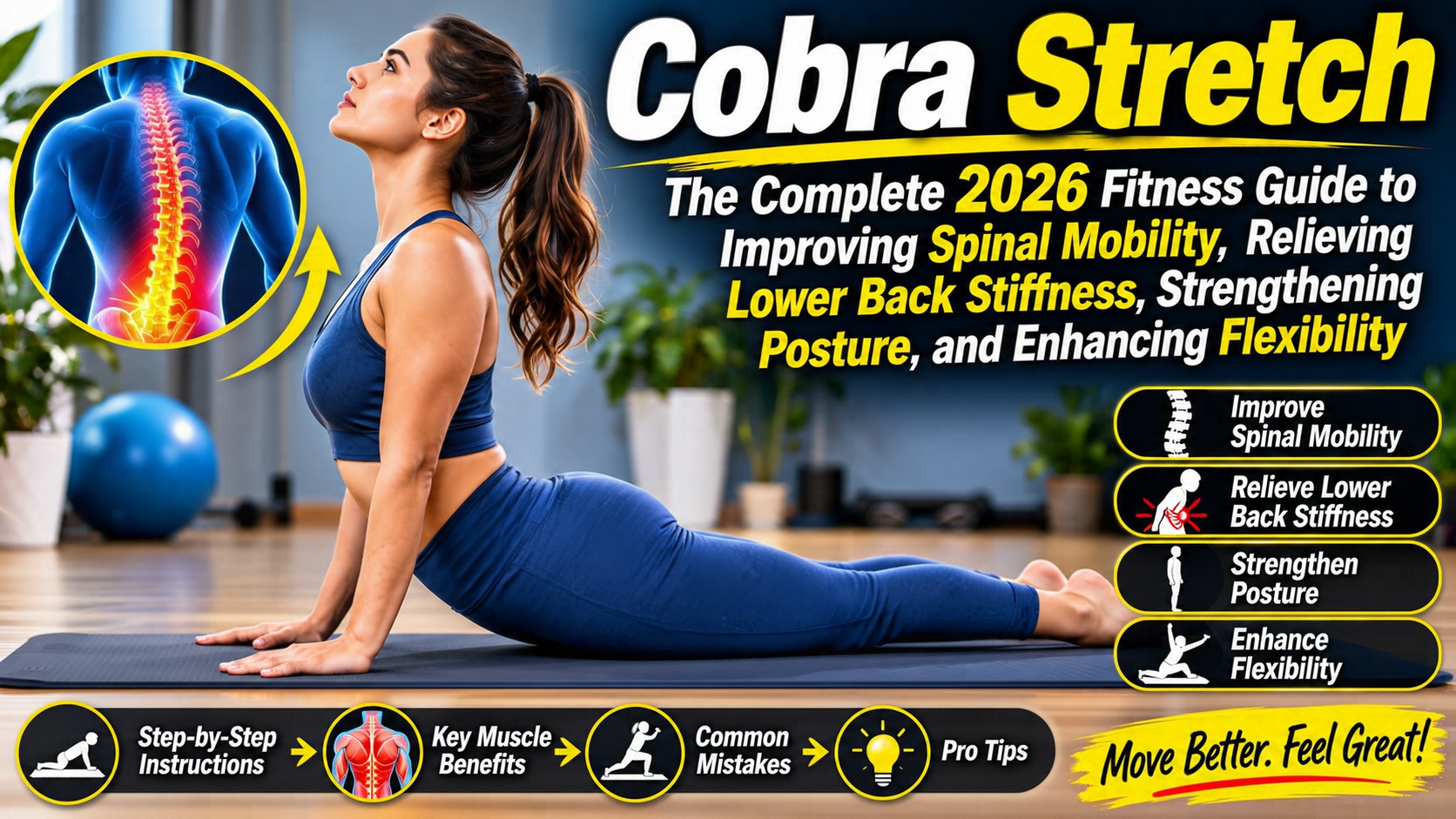
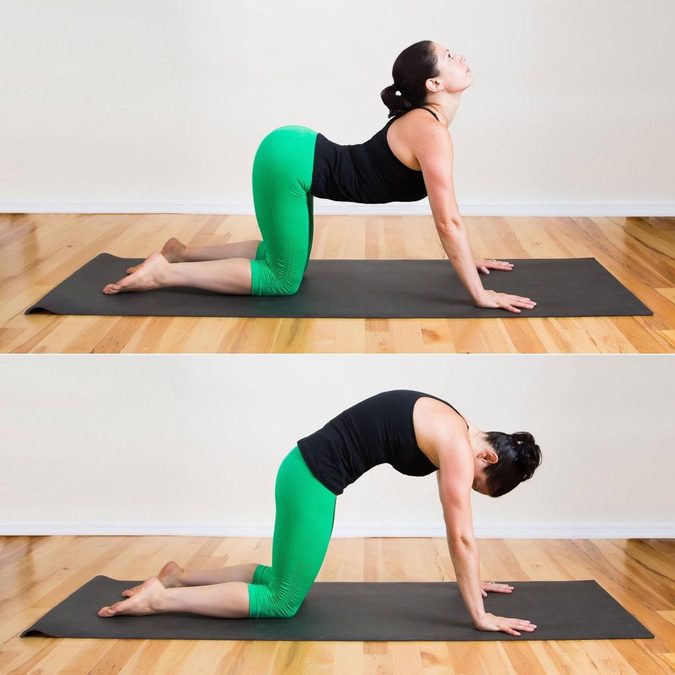
The cat-cow movement gently takes the spine through flexion and extension. Start on your hands and knees, with your wrists below your shoulders and knees below your hips. Slowly round your back toward the ceiling, then move in the opposite direction by gently lowering your abdomen and lifting your chest.
Move with your breathing rather than forcing either position. This exercise is useful as a warm-up for people who spend long periods sitting because it introduces controlled spinal movement. Keep the range comfortable, particularly if you have an existing back condition.
World’s Greatest Stretch
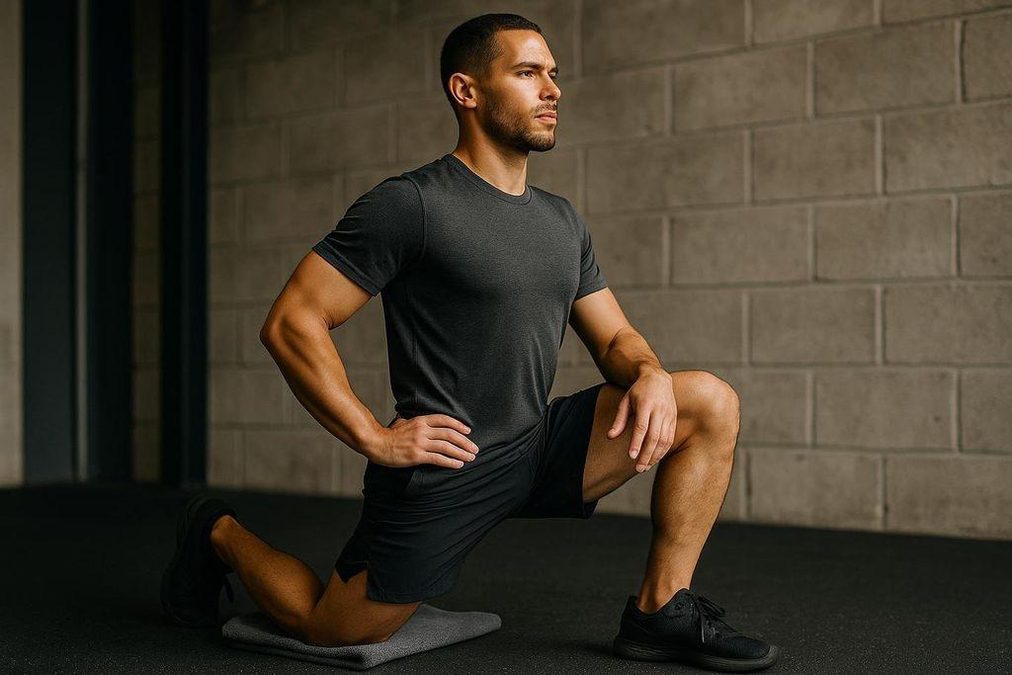
This dynamic movement combines a hip flexor stretch, thoracic rotation, and lower-body positioning. Begin in a lunge with one foot forward and the opposite knee near the floor. Place one hand beside the front foot, rotate your upper body, and reach the other arm toward the ceiling.
The exercise challenges several movement patterns at once, making it useful before strength training or sports. Keep your front knee aligned with your foot and rotate through your upper back rather than twisting aggressively through your lower back.
90/90 Hip Switches
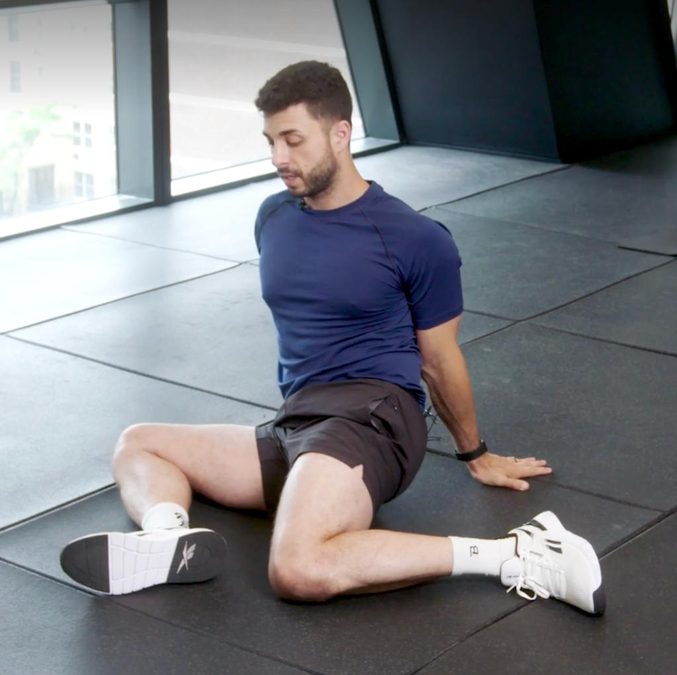
The 90/90 position helps develop hip internal and external rotation. Sit on the floor with one leg in front and the other behind, both knees bent approximately 90 degrees. Keeping your chest upright, rotate your knees from one side to the other under control.
People who sit for much of the day may find hip rotation movements challenging at first. Use your hands for support if needed and avoid forcing your knees toward the floor. Gradually work toward smoother transitions as your control improves.
Deep Squat Hold
A comfortable deep squat position challenges the hips, ankles, knees, and trunk. Stand with your feet around shoulder-width apart, lower your hips between your legs, and keep your heels grounded if your ankle mobility allows it. Hold onto a stable support if balance or flexibility limits your depth.
Rather than forcing yourself into the lowest possible position, focus on maintaining control and breathing comfortably. You can gradually increase the hold time as the position becomes easier. A deep squat is not suitable for everyone in every circumstance, so adapt the depth to your joint comfort.
Ankle Knee-to-Wall Drill
Ankle dorsiflexion is the movement that brings your shin toward the front of your foot. Limited ankle movement can make squatting, walking downhill, and climbing stairs feel more difficult.
To perform the knee-to-wall drill, face a wall with one foot a short distance away. Keep your heel on the floor and gently move your knee toward the wall over your toes. Move your foot farther back as your range improves, without allowing the heel to lift or the arch to collapse.
Shoulder Wall Slides
Shoulder wall slides encourage controlled overhead movement and coordination between the shoulders and upper back. Stand with your back near a wall, bend your elbows, and position your arms against the wall as comfortably as possible. Slowly slide your arms upward, then return to the starting position.
Avoid arching your lower back to make the movement appear larger. If your arms cannot comfortably reach overhead, work within your available range and gradually improve control rather than forcing the shoulders into an uncomfortable position.
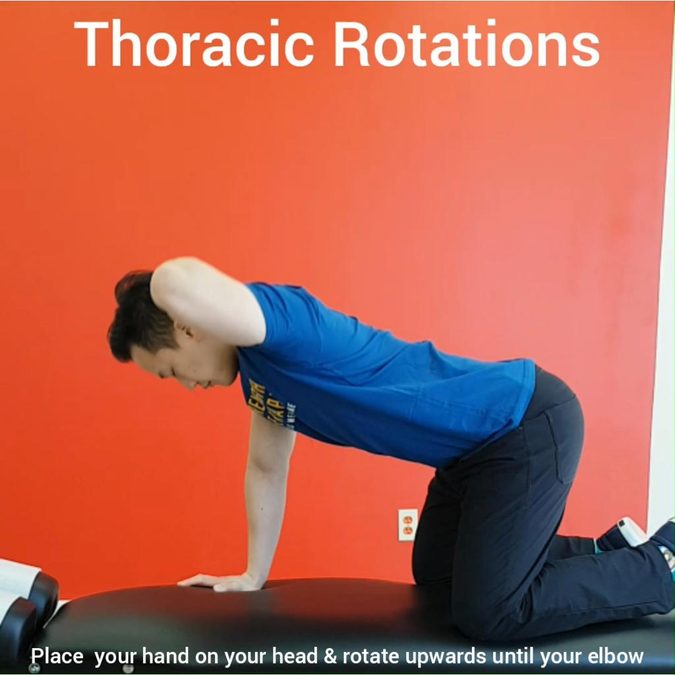
Thoracic Spine Rotations
The thoracic spine is the middle portion of your back, and its rotation contributes to reaching, throwing, and turning your upper body. Lie on your side with your knees bent and arms extended in front of you. Slowly rotate your upper arm across your body toward the floor behind you while keeping your knees together.
This movement can be especially useful for people whose daily routines involve prolonged desk work. Rotate gradually and let your upper back do the work instead of pulling your lower back into an excessive twist.
Mobility Exercises by Body Area


Different joints need different types of movement. Rather than performing random stretches, focus on the areas that feel restricted during your daily activities or workouts. A runner may prioritise ankles and hips, while someone who works at a desk may benefit from regular shoulder and thoracic spine movements.
| Body area | Useful exercise | Main movement focus | Suggested starting dose |
|---|---|---|---|
| Hips | 90/90 hip switches | Internal and external rotation | 8–10 switches |
| Ankles | Knee-to-wall drill | Dorsiflexion | 8–12 per side |
| Shoulders | Wall slides | Overhead movement | 8–12 repetitions |
| Thoracic spine | Open-book rotations | Upper-back rotation | 8–10 per side |
| Spine | Cat-cow | Controlled spinal movement | 8–12 repetitions |
| Hips and legs | Deep squat hold | Combined lower-body movement | 20–30 seconds |
These are starting suggestions, not strict requirements. Adjust the repetitions and duration to your fitness level, and prioritise smooth, pain-free movement. Consistent practice is more valuable than forcing a large amount of movement in one session.
How to Build a Daily Mobility Routine
A short routine can be easier to maintain than a long, complicated stretching session. Start with five to ten minutes and select movements that address the areas you want to improve. For example, a simple full-body sequence could include cat-cow, 90/90 hip switches, ankle knee-to-wall drills, shoulder wall slides, and thoracic rotations.
Perform each movement slowly, paying attention to posture and breathing. If you feel restricted, reduce the range and build gradually. Mobility training should challenge your control without causing sharp pain or forcing a joint beyond its comfortable limits.
The best exercises for mobility are those you can perform consistently and correctly. You do not need to complete every movement every day. A few targeted exercises before a workout, during a movement break, or after a long period of sitting can help you maintain a regular practice.
Mobility Training Before and After Workouts
Before strength training or sports, dynamic mobility exercises can prepare your body for the movements ahead. For example, ankle drills and hip switches may be useful before squats, while shoulder slides and thoracic rotations can prepare your upper body for pressing or throwing movements.
A warm-up should gradually increase movement and activity rather than exhaust you. Spend more time on the joints and movement patterns involved in your session. If you are preparing for a heavy squat workout, practise controlled squats and ankle movements rather than spending most of your warm-up on unrelated stretches.
After exercise, gentle mobility work can help you move comfortably while your body returns to a resting state. However, stretching after a workout is not essential for preventing muscle soreness. Recovery also depends on training intensity, sleep, nutrition, and appropriate rest between sessions.
Common Mobility Training Mistakes to Avoid
One common mistake is confusing discomfort with progress. A strong stretch sensation can be normal, but sharp pain, joint pinching, numbness, or tingling are warning signs to stop or modify the movement. Pushing harder does not automatically produce better mobility.
Another mistake is focusing only on flexibility while neglecting strength. A joint may move through a wide range passively but remain difficult to control during exercise. Combine mobility work with strength training through comfortable ranges, such as controlled squats, lunges, and overhead movements appropriate to your ability.
Inconsistent practice can also limit progress. Performing a long routine once every few weeks is unlikely to build the same movement habits as short, regular sessions. Track improvements in movement quality, comfort, and control rather than judging progress only by how far you can stretch.
How Often Should You Train for Better Mobility?
For most healthy adults, short mobility sessions several times per week are a practical starting point. Some gentle movements can be performed daily, especially when they help break up long periods of sitting. More demanding drills should be adjusted according to your recovery, training load, and individual needs.
A useful approach is to practise a few movements for five to fifteen minutes on most days. You can also include targeted mobility drills in your normal gym warm-up. If a movement feels increasingly difficult or causes lingering discomfort, reduce the range or frequency and reassess your technique.
Progress may appear as smoother movement, improved squat depth, easier overhead reaching, or greater comfort when turning your torso. These changes can take time and will vary according to your starting point, age, training history, and consistency.
Frequently Asked Questions
What are the best exercises for mobility for beginners?
Beginners can start with cat-cow, shoulder wall slides, ankle knee-to-wall drills, gentle hip switches, and supported deep squats. These movements introduce controlled motion across several major joints without requiring advanced equipment. Start with a comfortable range and increase repetitions gradually.
Can mobility exercises reduce stiffness?
Regular movement may help reduce feelings of stiffness, particularly when discomfort is associated with prolonged inactivity. Gentle joint movements encourage you to use your available range of motion and improve movement confidence. Persistent or unexplained stiffness should be assessed by a healthcare professional.
How long should a daily mobility routine take?
A routine of five to fifteen minutes is enough to get started. Focus on a few movements that address your most restricted areas rather than trying to complete a long list of exercises. Consistency and good technique matter more than session length.
Is mobility training better than stretching?
Neither is universally better because they serve related but different purposes. Stretching primarily targets muscle length and flexibility, while mobility training focuses on actively controlling joint movement. A balanced fitness program can include both.
Can mobility exercises improve squat depth?
They may help if limited ankle, hip, or thoracic movement is restricting your squat position. Ankle drills, hip rotations, and controlled squat holds can develop the movement needed for a more comfortable squat. Strength, technique, body proportions, and individual joint structure also influence squat depth.
Should I do mobility exercises every day?
Many gentle mobility movements can be practised daily, provided they remain comfortable and do not cause excessive fatigue or pain. More demanding exercises can be performed several times per week. Adjust your routine to your training schedule and recovery.
Do mobility exercises prevent injuries?
Mobility training can improve movement control and help address certain limitations, but it cannot guarantee injury prevention. Overall strength, exercise technique, training progression, recovery, and appropriate conditioning also play important roles in reducing injury risk.
Conclusion
The best exercises for mobility help you develop more comfortable, controlled movement across the hips, ankles, shoulders, and spine. Movements such as cat-cow, 90/90 hip switches, ankle knee-to-wall drills, shoulder wall slides, and thoracic rotations offer practical ways to improve your movement routine without complicated equipment.
Start with a few exercises, use a comfortable range of motion, and practise consistently. Combine mobility work with strength training, adequate recovery, and regular physical activity to support long-term fitness.
The biggest lesson is that mobility is not simply about becoming more flexible. It is about building the strength and control to use your available movement effectively. A few focused minutes each day can become a valuable investment in better movement, exercise performance, and everyday independence.