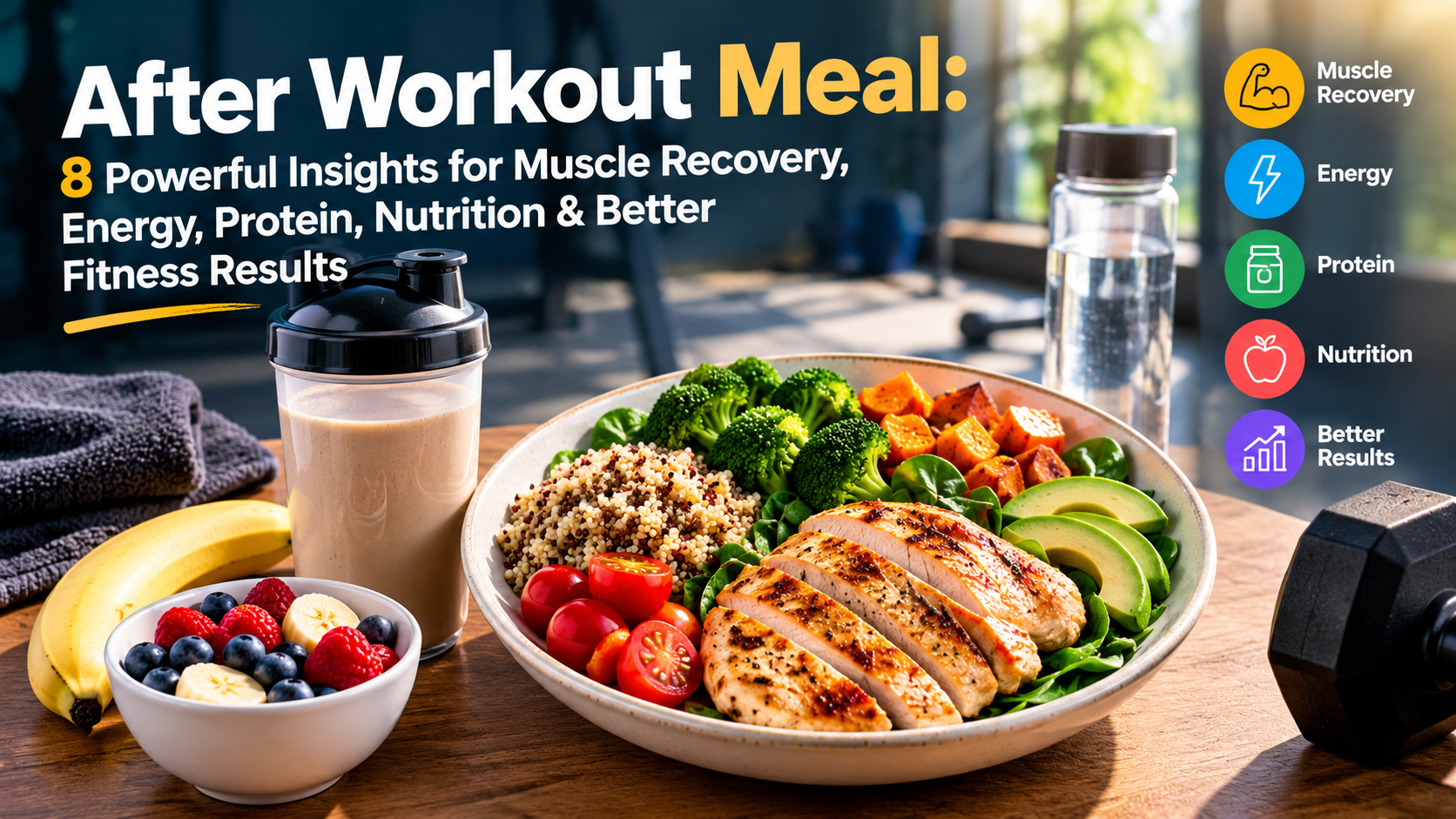
Choosing the right after workout meal can make a meaningful difference in how well your body recovers after training. Exercise creates a demand for energy and nutrients, while resistance training places stress on muscle tissue. A well-balanced meal helps replenish energy stores, provides amino acids for muscle protein synthesis, and supports normal recovery.
The best approach is not about finding one “perfect” food. It is about combining high-quality protein, carbohydrates, healthy fats, fluids, and essential micronutrients in a way that matches your training and overall diet. Whether you finish a strength workout, cardio session, sports practice, or full-body routine, post-exercise nutrition should complement what you ate throughout the day.
For most active people, an effective after workout meal contains a reliable protein source plus carbohydrates, with portion sizes adjusted according to body size, training intensity, goals, and total calorie needs. Timing matters, but overall daily nutrition generally matters more than trying to eat within an extremely narrow window.
What Is an After Workout Meal?
An after workout meal is food consumed after physical activity to help the body recover, restore energy, and meet daily nutritional requirements. It commonly includes protein-rich foods such as eggs, Greek yogurt, chicken, fish, lean meat, tofu, beans, or dairy products alongside carbohydrate sources such as rice, potatoes, oats, fruit, or whole-grain bread.
The purpose goes beyond simply “feeding the muscles.” Protein supplies essential amino acids that contribute to muscle repair and growth, while carbohydrates help restore glycogen, the stored form of carbohydrate used during exercise. Fluids and electrolytes can also become important after long, intense, or particularly sweaty sessions.
A useful way to think about post-training nutrition is as a recovery toolkit rather than a single magic meal. As sports nutrition research consistently emphasizes, recovery depends on the combination of training, nutrition, hydration, sleep, and adequate rest.
Why Post-Workout Nutrition Matters for Recovery
During exercise, muscles use stored glycogen and other energy sources. Resistance training also creates mechanical tension and metabolic stress that stimulate adaptation. Providing protein after training gives the body amino acids needed for muscle protein synthesis, the process involved in repairing and building muscle tissue.
Carbohydrates become particularly useful when training is demanding or frequent. Someone completing a hard leg workout and training again the next morning has a greater reason to prioritize carbohydrate replacement than someone taking two rest days before the next session. This illustrates an important principle: post-workout nutrition should reflect the demands of the training schedule.
“Recovery is not a single moment after exercise; it is the process of preparing the body for its next challenge.”
An after workout meal therefore works best as part of a larger recovery strategy. Adequate sleep, sufficient total calories, hydration, and consistent protein intake throughout the day all contribute to results.
Protein: The Foundation of Muscle Recovery
Protein is one of the most important components of an after workout meal, particularly for people performing resistance training. Dietary protein provides amino acids, including essential amino acids such as leucine, that support muscle protein synthesis. High-quality sources include eggs, milk, Greek yogurt, cottage cheese, chicken breast, turkey, fish, lean beef, soy foods, and combinations of plant proteins.
A practical target for many exercising adults is roughly 20–40 grams of high-quality protein in a meal, although the ideal amount depends on body size, total daily intake, age, training demands, and individual circumstances. Instead of obsessing over one meal, it is usually more productive to distribute adequate protein across the day.
For example, a person finishing a strength session could combine grilled chicken with rice and vegetables, while a vegetarian might use tofu, lentils, or a soy-based protein source with potatoes and vegetables. Both meals can support recovery when they fit the person’s broader nutritional needs.
Carbohydrates Help Restore Training Energy
Carbohydrates are often misunderstood in fitness nutrition. They are not simply “extra calories”; they are an important fuel source for many forms of exercise. During moderate-to-high-intensity training, muscle glycogen can be significantly utilized, making carbohydrate-rich foods useful for replenishment.
An after workout meal containing rice, potatoes, oats, fruit, pasta, whole-grain bread, or another carbohydrate source can help restore glycogen. The urgency becomes greater when training sessions are long, intense, or close together. Endurance athletes, competitive players, and people completing multiple workouts in a day may have especially high carbohydrate requirements.
For a recreational lifter who trains once in the evening and rests the following day, there is generally less pressure to replace glycogen immediately. A balanced dinner containing protein, carbohydrates, vegetables, and fluids may be entirely appropriate. Context matters more than rigid timing rules.
Healthy Fats and Micronutrients Still Matter
Fat does not need to be eliminated from an after workout meal. Foods such as avocado, nuts, seeds, olive oil, eggs, and fatty fish provide valuable nutrients and contribute to overall dietary quality. However, very high-fat meals may digest more slowly, which can be less comfortable immediately after particularly intense exercise.
Micronutrients also deserve attention. Fruits and vegetables provide vitamins, minerals, antioxidants, fiber, and plant compounds that support general health. Leafy greens, berries, bananas, oranges, tomatoes, carrots, peppers, and other colorful produce can easily complement a recovery-focused meal.
The goal is balance rather than perfection. A plate containing lean protein, a quality carbohydrate source, vegetables or fruit, and a moderate amount of healthy fat can provide a much broader nutritional profile than a meal built around protein alone.
Best After Workout Meal Combinations
The best after workout meal is usually one that is nutritious, practical, enjoyable, and consistent with your fitness objective. There is no requirement to eat expensive “fitness foods” or specially marketed recovery products when ordinary foods can provide the necessary nutrients.
| Meal combination | Protein source | Carbohydrate source | Best suited for |
|---|---|---|---|
| Chicken, rice and vegetables | Chicken | Rice | Strength and general fitness |
| Eggs, whole-grain toast and fruit | Eggs | Bread and fruit | Breakfast or morning training |
| Greek yogurt, oats and berries | Greek yogurt | Oats and berries | Quick recovery meal |
| Salmon, potatoes and vegetables | Salmon | Potatoes | Balanced recovery dinner |
| Tofu, rice and mixed vegetables | Tofu | Rice | Plant-based nutrition |
| Lentils, potatoes and salad | Lentils | Potatoes | Budget-friendly plant-based meal |
| Oatmeal, milk, banana and nuts | Milk | Oats and banana | Quick post-training breakfast |
For example, someone returning home after an evening gym session might choose chicken, rice, and vegetables because it is easy to prepare in bulk. Someone with little appetite after morning cardio could choose Greek yogurt with oats and fruit before having a larger meal later.

Meal Timing: Does It Need to Be Immediate?
The idea that you must consume an after workout meal within a few minutes or lose your progress is an oversimplification. Muscle remains responsive to dietary protein after exercise, and the importance of immediate intake depends partly on what and when you ate before training.
If you consumed a protein-rich meal shortly before exercising, there may be less urgency to eat immediately afterward. If you trained after a long period without food, however, eating a balanced meal relatively soon can be a practical way to begin recovery and prevent excessive hunger later.
A useful rule is to prioritize consistency rather than anxiety about the clock. Getting sufficient protein and calories across the day is generally more important than treating the post-workout period as a tiny nutritional deadline.
Adjusting Post-Workout Food for Different Fitness Goals
An after workout meal should change according to the goal. Someone trying to build muscle may need sufficient calories, protein, and carbohydrates to support training and recovery. Someone focused on fat loss may still need plenty of protein but may use smaller portions of calorie-dense foods while maintaining an appropriate overall calorie deficit.
For endurance training, carbohydrate availability becomes particularly important because running, cycling, swimming, and other prolonged activities can place substantial demands on glycogen stores. A long-distance runner may therefore require considerably more carbohydrate after training than someone completing a short mobility session.
People training for general health can keep things simple. A balanced meal containing protein, carbohydrates, vegetables or fruit, and fluids is usually more practical than following complicated nutrient-timing rules.
Common Post-Workout Mistakes and How to Fix Them
One common mistake is focusing almost entirely on protein while ignoring carbohydrates, fiber, micronutrients, and total calories. Protein is essential, but a scoop of protein powder does not automatically constitute a complete recovery strategy. Adding fruit, oats, rice, potatoes, vegetables, or another carbohydrate source can create a more balanced meal.
Another problem is skipping food after training because of the belief that eating automatically cancels the benefits of exercise. This can lead to excessive hunger later and make it harder to maintain a consistent diet. A better approach is to plan an after workout meal that fits the day’s calorie and nutrient targets.
Some people also rely heavily on processed “fitness” products. Protein bars and shakes can be convenient, but whole foods can provide additional nutrients, fiber, and variety. Convenience foods have a place, particularly when schedules are busy, but they do not need to replace a varied diet.
Hydration and Electrolytes After Exercise
Food is only one part of recovery. Water is essential for maintaining normal physiological function, and fluid losses can increase significantly during hot-weather exercise or prolonged training. Replacing fluids after exercise is particularly important when sweating has been substantial.
Electrolytes such as sodium and potassium are involved in fluid balance, nerve function, and muscle contraction. For ordinary short workouts, regular meals and water may be sufficient for many people. Longer endurance sessions, heavy sweating, and hot environments can increase the relevance of electrolyte replacement.
A practical after workout meal can therefore be paired with water, milk, or another suitable beverage. People who experience unusually heavy fluid losses during training may need a more deliberate hydration strategy based on their individual circumstances.
Quick Post-Workout Meals for Busy Schedules
Not every recovery meal needs to involve cooking. Greek yogurt with banana and oats can be assembled in minutes. A whole-grain sandwich with eggs or lean chicken provides protein and carbohydrates with minimal preparation. Milk blended with fruit and oats can also work when appetite or time is limited.
Meal preparation makes consistency even easier. Cooking rice, potatoes, chicken, eggs, beans, or vegetables in batches means that a nutritious after workout meal can be assembled quickly after training. This is particularly useful for people who exercise before work, attend evening gym sessions, or have unpredictable schedules.
The most sustainable nutrition plan is often the one that removes unnecessary friction. If healthy food is already prepared and accessible, you are much more likely to eat it when you’re tired after training.
FAQs About After Workout Meals
What should I eat after a workout?
A balanced after workout meal can include a high-quality protein source, carbohydrates, vegetables or fruit, and an appropriate amount of healthy fat. Examples include chicken with rice and vegetables, eggs with whole-grain toast and fruit, or Greek yogurt with oats and berries. The best combination depends on your training demands and total daily nutrition.
How much protein should I eat after exercising?
Many active adults can benefit from approximately 20–40 grams of high-quality protein in a post-exercise meal, although individual needs vary. Body size, age, training volume, total daily protein intake, and fitness goals all influence the appropriate amount. Daily protein intake and distribution across meals are more important than obsessing over one specific serving.
Should I eat carbs after a workout?
Yes, carbohydrates can be valuable after exercise because they help replenish muscle glycogen. They become particularly important after long or intense workouts and when another demanding training session is scheduled soon. Rice, potatoes, oats, fruit, pasta, and whole-grain bread are practical carbohydrate choices.
Is it necessary to eat immediately after a workout?
No. You generally do not need to panic about eating within a few minutes of finishing exercise. If you ate a balanced meal before training, there may be less urgency. However, eating a nutritious after workout meal within a reasonable period can be useful for recovery, especially after fasted training or demanding sessions.
Is a protein shake enough after exercising?
A protein shake can be useful when convenience is important, but it may not provide everything needed for a complete recovery meal. Depending on your goals and workout, adding carbohydrates such as fruit or oats and obtaining a wider range of nutrients from regular foods can make the overall meal more balanced.
What should I eat after a workout for muscle gain?
For muscle gain, prioritize sufficient total calories and protein while including enough carbohydrates to support training performance. An after workout meal such as chicken and rice, salmon and potatoes, or tofu with rice and vegetables can provide a strong combination of protein, carbohydrates, and micronutrients.
Conclusion
A well-planned after workout meal is less about finding a magical recovery food and more about consistently supplying the nutrients your body needs. Protein supports muscle protein synthesis, carbohydrates help restore glycogen, healthy fats contribute to overall nutrition, and fluids support hydration.
The most effective strategy is to match your post-training nutrition to your workout, fitness goal, appetite, schedule, and total daily diet. A recreational gym session does not require the same recovery strategy as marathon training, competitive sport, or twice-daily strength sessions.
The final takeaway is simple: build your post-workout nutrition around quality protein, useful carbohydrates, nutrient-rich foods, and adequate hydration, then make it practical enough to follow consistently. When good nutrition becomes part of the entire training routine rather than an isolated meal, recovery and long-term fitness become much easier to manage.