
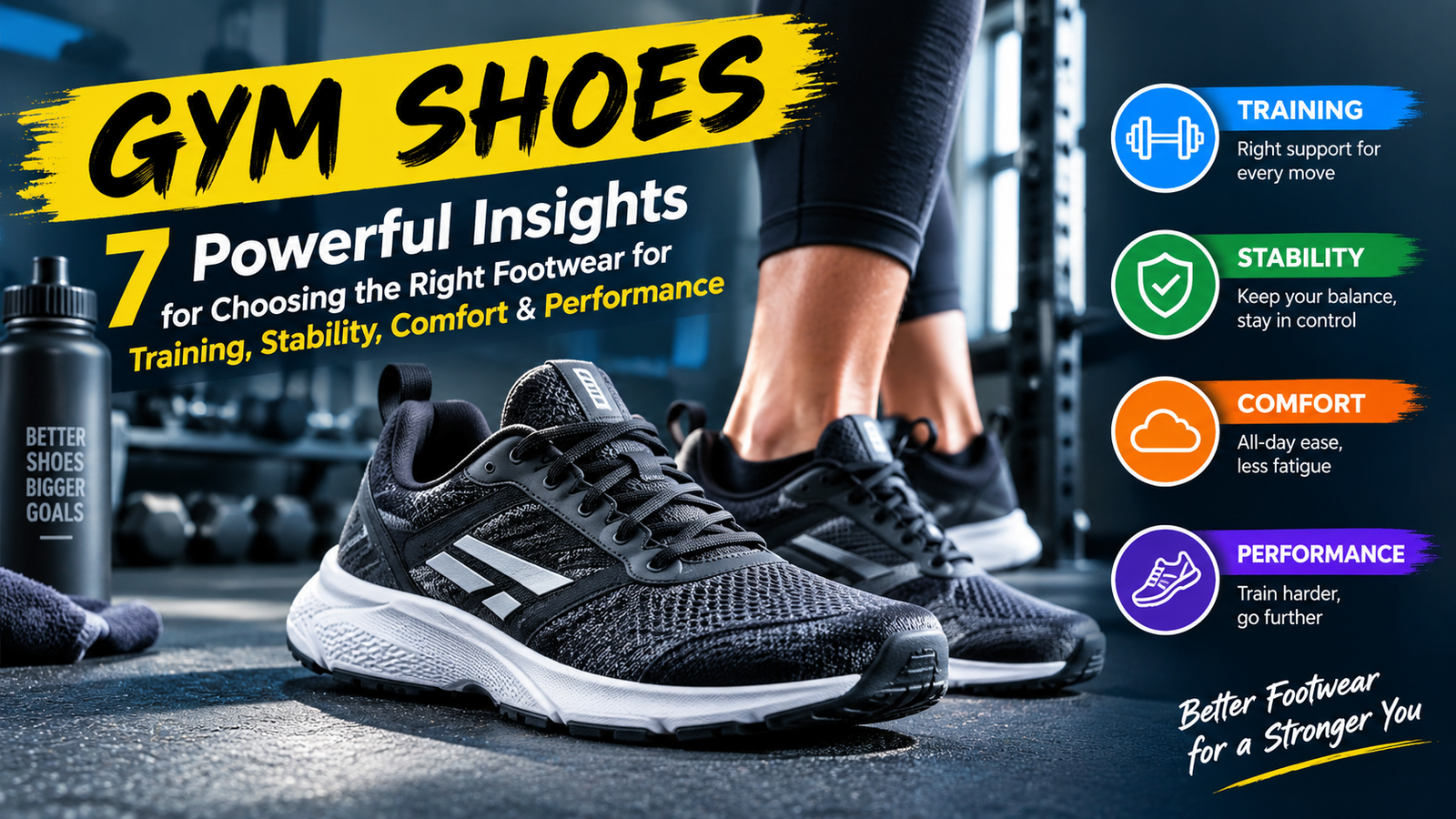
Walking into a gym, it is easy to focus on the obvious things: your workout plan, weights, headphones, or water bottle. Footwear often gets less attention. Yet the shoes on your feet can influence how stable you feel, how confidently you move, and how comfortable you are by the end of a session.
The tricky part is that there is no single shoe that works perfectly for every workout. A pair that feels fantastic during a treadmill run may feel too soft when you are squatting. Likewise, a shoe that feels rock-solid for weightlifting might not be comfortable for jumping or longer cardio sessions.
That is why choosing the right gym shoes starts with understanding what you actually do during training. Your workout style, foot shape, preferred cushioning, gym surface, and even how long you exercise can all make a difference.
What Are Gym Shoes and Why Do They Matter?
Gym shoes are athletic footwear designed to support exercise and training rather than simply everyday walking. Depending on the design, they can provide a combination of stability, cushioning, flexibility, traction, breathability, and support.
That combination matters because gym workouts rarely involve just one movement. A single session might include squats, lunges, machines, dumbbell exercises, short sprints, jumping, and stretching. Your feet have to adapt quickly, and your footwear needs to keep up.
Think of your shoes as the connection between your body and the floor. If that connection feels unstable, slippery, excessively soft, or uncomfortable, your attention can shift away from the exercise itself. Good footwear should help you feel secure without constantly reminding you that it is there.
Your Workout Should Decide What You Wear
The biggest mistake people make is choosing footwear based on appearance alone. A stylish pair may look great with your training clothes but still be poorly suited to your workouts.
If you spend most of your time lifting weights, stability and a firm platform become especially important. If you run regularly on a treadmill, cushioning and a smooth, flexible ride may matter more. HIIT and functional training create another challenge because they combine jumping, lateral movement, quick direction changes, and strength work.
For people who do a little bit of everything, versatile gym shoes are often the most practical choice. They do not need to be perfect at one specialized activity; they need to perform reliably across several movements.
| Training style | Features worth prioritizing | Why they help |
|---|---|---|
| Weight training | Firm sole and stable base | Helps create a dependable lifting platform |
| Treadmill running | Cushioning and flexibility | Improves comfort during repeated impact |
| HIIT | Grip and lateral stability | Supports quick multidirectional movements |
| Cross-training | Balanced cushioning and stability | Handles mixed workouts effectively |
| Cycling | Firm sole and secure fit | Helps transfer force efficiently |
| General fitness | Comfort and versatility | Suitable for varied gym sessions |
Stability Can Matter More Than Softness
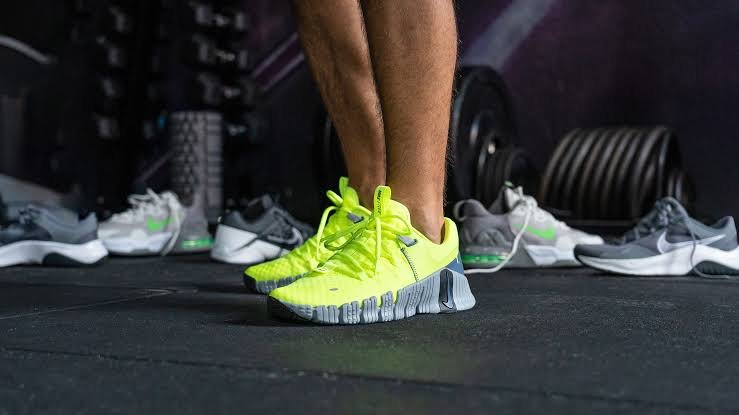
Walk into a shoe store and squeeze a heavily cushioned shoe. It may immediately feel comfortable. That does not necessarily mean it will be the best choice for lifting.
During exercises such as squats, deadlifts, and presses, you generally want a dependable connection with the floor. If the midsole compresses dramatically under load, the shoe can feel less stable than a firmer design.
Imagine trying to balance on a mattress while performing a controlled movement. The mattress is soft, but it does not give you a particularly reliable platform. Your training footwear does not need to be hard or uncomfortable; it simply needs to provide the right amount of support for the activity.
For strength-focused workouts, well-designed gym shoes with a stable base can therefore feel much more natural than extremely soft running footwear.
Fit Comes Before Fashion
A shoe can have excellent technology and still be the wrong shoe for you if it does not fit properly. Your heel should feel secure, while your toes need enough space to move naturally without being squeezed against the front.
Pay attention to what happens when you walk, bend your knees, or perform a few bodyweight movements. If your heel repeatedly lifts, your toes feel cramped, or the sides of your feet feel compressed, those are signs that the shape may not match your foot.
Foot shape varies from person to person. Some people need extra room around the forefoot, while others need a narrower heel or more overall volume. Do not assume that a particular size will fit the same way across different brands or models.
A good rule is straightforward: “If your feet are fighting the shoe, your workout eventually will too.” Comfort should not come from simply making the shoe loose. You want a secure fit that allows natural movement.
Grip Makes Movement Feel More Confident
Traction is one of those features you might not think about until you experience poor traction. During lunges, lateral drills, step-ups, or quick conditioning exercises, a slippery outsole can make otherwise simple movements feel awkward.
The outsole design, rubber compound, and tread pattern all contribute to grip. Indoor gyms can also have different surfaces, including rubber flooring, synthetic surfaces, and smoother areas around cardio equipment.
The goal is not to find the stickiest outsole possible. Instead, you want predictable traction that lets your feet stay connected to the floor while still allowing natural movement when an exercise requires your foot to pivot.
For HIIT and cross-training, this balance is particularly useful. You want to feel planted when changing direction without feeling as though your shoes are glued to the floor.
Cushioning Should Match Your Workout
Cushioning has an important job, especially when your workout includes running, jumping, or other repetitive impact. But more cushioning is not automatically better.
Someone spending thirty minutes on a treadmill may appreciate a softer and more responsive midsole. Someone performing heavy deadlifts may prefer a firmer feel. If you regularly combine both activities, a moderate level of cushioning can provide a useful compromise.
This is where choosing gym shoes according to your actual routine becomes important. The right amount of cushioning should make your workout more comfortable without making strength exercises feel unstable.
It is also worth paying attention to how the shoe feels after twenty or thirty minutes, not just during the first few steps. Some shoes feel impressive initially but become tiring or restrictive once your workout gets underway.
Breathability Becomes Important During Long Sessions
Nobody enjoys finishing a workout with overheated, damp feet. Breathable materials can make a meaningful difference, particularly if you train for long periods or exercise in a warm environment.
Mesh uppers and ventilation panels can help air circulate around the foot. However, breathability should not come at the expense of support. A good upper needs to allow airflow while still holding your foot securely.
Sweat can also increase friction. If your feet move excessively inside the shoe, hot spots and rubbing may develop. A comfortable upper should therefore feel supportive without becoming restrictive.
For everyday training, gym shoes with a sensible combination of ventilation, structure, and lightweight materials can make long sessions noticeably more pleasant.
Gym Shoes vs. Running Shoes
Running shoes and training shoes may look similar, but they are designed around different priorities. Running shoes are generally built for repetitive forward movement and impact, while training footwear is usually designed to handle a wider variety of directions and exercises.
That difference becomes obvious when you move from the treadmill to the weight room. A heavily cushioned running shoe may feel smooth while jogging but less stable during a heavy squat.
That does not make running shoes bad footwear. If most of your workout is running, they can make perfect sense. The issue arises when you expect one highly specialized shoe to perform equally well in every type of training.
For mixed workouts, gym shoes can provide a useful middle ground by combining cushioning, flexibility, traction, and stability.
Common Footwear Problems and Simple Fixes
Heel slipping is a common complaint. Sometimes the problem is simply that the shoe is too large, but it can also come from the shape of the heel counter or insufficient lacing. A more secure lacing technique can help in some cases, although persistent slipping usually deserves a closer look at the fit.
Another issue is discomfort around the toes. If your toes are constantly touching the front of the shoe or the sides feel compressed, changing how tightly you lace the shoe is unlikely to solve the underlying problem. You may need a different size or a different shoe shape.
Then there is the problem of worn-out soles. A shoe can look perfectly acceptable from above while the outsole underneath has become smooth or the cushioning has noticeably compressed. When traction and stability start changing, it is worth treating that as a performance issue rather than simply an appearance issue.
How to Make Your Training Shoes Last Longer
Training footwear takes a surprising amount of abuse. Sweat, repeated bending, friction, gym flooring, and occasional outdoor use all contribute to wear.
One simple habit is to let your shoes dry naturally after training instead of immediately placing them in a closed gym bag. Removing dirt from the outsole can also help maintain traction.
It is also helpful to avoid using your training footwear for every possible activity. If you wear the same pair for gym sessions, long outdoor walks, errands, and running, the outsole will naturally accumulate more wear.
Your shoes will eventually need replacing. Rather than relying only on a specific number of months, look at their condition. Noticeable outsole wear, damaged material, flattened cushioning, reduced stability, or new discomfort are more useful warning signs.
How to Choose Gym Shoes for Your Training Goal
Start by identifying what occupies most of your workout. Strength training calls for a different balance of features than treadmill running. HIIT requires versatility, while general fitness often benefits from a comfortable all-rounder.
If your training changes from day to day, avoid going too far toward either extreme. A shoe built exclusively for running may not give you the stability you want for strength work, while an extremely rigid lifting shoe can become inconvenient during cardio.
The best gym shoes are the ones that match your routine rather than the ones with the longest feature list. A practical, comfortable shoe that fits properly can serve you better than an expensive model whose design does not match your training.
FAQs About Gym Shoes
Can I use running shoes for gym workouts?
Yes, particularly if your gym routine is mostly treadmill running or other forward-moving cardio. Running shoes become less suitable when your workout involves substantial heavy lifting, lateral movement, or exercises where a firm and stable platform is important.
Should gym shoes have a flat sole?
A firm, relatively stable sole can be helpful for strength training because it gives you a dependable base. However, completely flat footwear is not necessary for every workout. The best design depends on your exercises, training goals, comfort, and individual foot characteristics.
How tight should gym shoes be?
They should feel secure without squeezing your feet. Your heel should stay reasonably stable, and your toes should have enough room to move naturally. If you experience numbness, persistent pressure, or painful rubbing, the fit should be reassessed.
How often should I replace gym shoes?
There is no single replacement schedule that works for everyone. Training frequency, workout type, body weight, flooring, and shoe construction all affect durability. Check for worn tread, compressed cushioning, damaged uppers, reduced stability, and changes in comfort.
Are expensive gym shoes always better?
No. Price alone does not determine whether footwear is suitable. Fit, stability, traction, cushioning, durability, and compatibility with your workouts are much more useful criteria. A reasonably priced shoe that fits well can outperform a more expensive model designed for a different purpose.
Can I lift weights in cushioned gym shoes?
Yes, but extremely soft cushioning can sometimes make heavy lifting feel less stable. For serious strength work, many people prefer a firmer platform because it provides a more consistent connection with the floor.
Conclusion
The right gym shoes should make training feel easier, more natural, and more secure rather than becoming something you constantly notice. The ideal choice depends on what you ask your feet to do.
If you lift heavily, prioritize stability. If you run frequently, pay closer attention to cushioning and comfort. If you love HIIT or cross-training, look for a balance of grip, flexibility, and lateral support. For general workouts, versatility is often the most useful quality.
Most importantly, do not choose footwear simply because it looks impressive or has the biggest list of technical features. Your feet know when a shoe fits well. Your workout will also reveal whether the sole, cushioning, traction, and support are appropriate.
The final insight is simple: the best footwear is the pair that supports your training without distracting you from it. When your feet feel secure, comfortable, and properly supported, you can put your attention where it belongs—on good technique, consistent effort, and steady progress.