

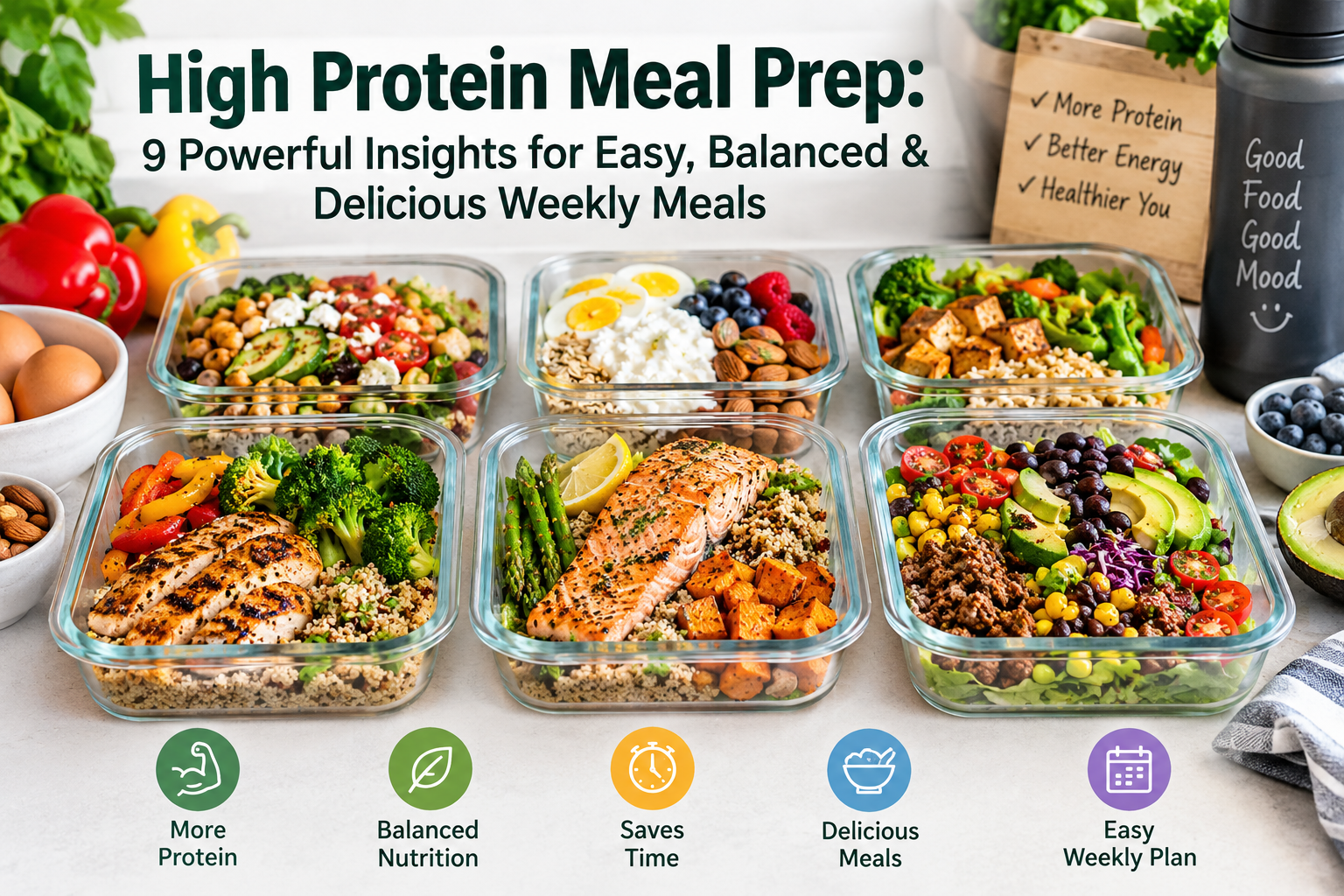
Finding time to cook healthy meals every day can be difficult. Work, family responsibilities, training, errands, and unexpected schedule changes can quickly turn a well-intentioned eating plan into takeout or whatever happens to be easiest.
That is where high protein meal prep becomes useful. Instead of trying to prepare every meal from scratch when you are hungry, you prepare key ingredients or complete meals ahead of time. The goal is not to make your refrigerator look like a professional catering operation. It is to make nutritious food easier to reach when life gets busy.
Protein deserves particular attention because it contributes to muscle maintenance and growth while also helping meals feel satisfying. But a good meal-prep routine should not revolve around protein alone. Fiber-rich carbohydrates, vegetables, healthy fats, hydration, flavor, and appropriate portions all have a place in a balanced eating pattern.
What Is High Protein Meal Prep?
High protein meal prep means planning and preparing meals or ingredients in advance with an intentional emphasis on protein-rich foods. Depending on dietary preferences, this can include chicken, turkey, eggs, Greek yogurt, fish, lean beef, cottage cheese, tofu, tempeh, beans, lentils, or other protein-containing foods.
The biggest advantage is consistency. When cooked chicken, roasted vegetables, rice, eggs, or prepared yogurt bowls are already available, assembling a balanced meal requires much less effort. Instead of making a decision while hungry, you have already made most of the decision earlier in the week.
A practical approach is to think in building blocks: protein + vegetables or fruit + carbohydrate + healthy fat + flavor. This simple framework keeps meals flexible and prevents meal prep from becoming a repetitive cycle of plain chicken and rice.
Why Protein Matters in a Balanced Meal Plan
Protein is made from amino acids and plays important roles throughout the body, including supporting muscle tissue and other physiological processes. For people who exercise regularly, adequate protein intake is commonly emphasized because resistance training and recovery increase the importance of providing the body with sufficient nutrients.
Protein can also make meals more satisfying. A breakfast built around Greek yogurt and eggs, for example, may feel substantially more substantial than a breakfast consisting primarily of refined carbohydrates. That does not make carbohydrates undesirable; it simply highlights why combining macronutrients can create a more balanced meal.
A useful mindset is to treat protein as an anchor rather than the entire meal. As one practical nutrition principle puts it, “Build the meal around the foods you want to eat consistently, not the foods you think you are supposed to tolerate.” If your meals taste good and fit your routine, sticking with them becomes much easier.
How to Build a High Protein Meal Prep Plate
A balanced high protein meal prep container does not need complicated ingredients. Start with a dependable protein source, then add colorful vegetables, a suitable carbohydrate source, and a modest amount of healthy fat.
For example, grilled chicken can be paired with brown rice, roasted broccoli, carrots, and a yogurt-based sauce. Another meal might combine salmon with potatoes, green beans, and a simple olive-oil dressing. For a vegetarian option, lentils or tofu can be combined with quinoa, roasted vegetables, and tahini.
| Meal component | Practical examples | Purpose |
|---|---|---|
| Protein | Chicken, eggs, fish, tofu, lentils, Greek yogurt | Supports protein intake and meal satisfaction |
| Carbohydrates | Rice, potatoes, oats, quinoa, whole grains | Provides energy and complements the meal |
| Vegetables | Broccoli, peppers, spinach, carrots | Adds fiber, vitamins, minerals, and volume |
| Healthy fats | Avocado, olive oil, nuts, seeds | Adds flavor and dietary fat |
| Flavor | Herbs, spices, salsa, yogurt sauces | Makes meals easier to enjoy repeatedly |
This structure also makes portion adjustments easier. Someone with higher energy needs may use more carbohydrate or protein, while another person may prefer smaller portions. Individual needs vary based on factors such as body size, activity level, goals, and overall dietary pattern.
The Best Protein Sources for Meal Prep
The best protein sources for meal preparation are usually the ones that are nutritious, practical, affordable, and enjoyable enough to eat repeatedly. Chicken breast is popular because it is versatile, but it is far from the only useful choice.
Lean beef, turkey, eggs, canned tuna, salmon, Greek yogurt, cottage cheese, tofu, tempeh, chickpeas, kidney beans, and lentils can all add variety. Using several sources throughout the week can prevent flavor fatigue and provide different textures.
Plant-based proteins deserve special attention because they can make meal prep more varied and budget-friendly. Lentil curry, tofu stir-fry, chickpea bowls, and bean-based chili can be prepared in large batches and paired with grains and vegetables.
The key is not finding one “perfect” protein. It is creating a rotation that fits your taste, budget, dietary preferences, and cooking habits.
How to Make Meal Prep Taste Good All Week
One of the biggest reasons people abandon meal preparation is simple: the food becomes boring. Eating the same bland combination for five days may be convenient, but convenience has limits when every container tastes identical.
The solution is to prepare versatile base ingredients and change the flavor profile. The same cooked chicken can become a Mediterranean bowl with cucumber, tomato, herbs, and yogurt sauce; a Mexican-inspired bowl with beans, corn, salsa, and avocado; or an Asian-inspired meal with vegetables and a suitable ginger-soy-style sauce.
Seasoning is not an afterthought. Garlic, paprika, cumin, black pepper, chili, lemon, herbs, curry spices, mustard, and fresh sauces can completely change the experience without requiring an entirely new recipe.
How to Keep High Protein Meal Prep Convenient
Good high protein meal prep should save time rather than consume your entire weekend. A common mistake is attempting to cook every meal, snack, sauce, and ingredient from scratch in one enormous session.
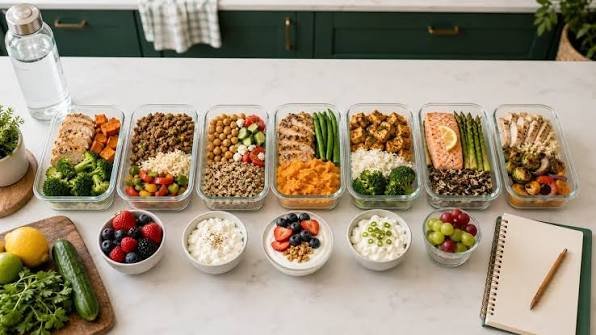
A more realistic strategy is to prepare a few versatile components. Cook one or two proteins, prepare a grain or starchy carbohydrate, roast a tray of vegetables, and keep a few quick additions available. Greek yogurt, fruit, nuts, hummus, canned beans, and eggs can fill gaps when needed.
You can also prepare ingredients rather than complete meals. Cooked chicken stored separately from rice and vegetables allows you to create different combinations during the week. This approach offers more flexibility and reduces the feeling that you are eating leftovers on repeat.
Food Safety and Storage Matter
Meal preparation is only useful when food is stored safely. Cooked foods should be handled promptly, stored in appropriate containers, and kept refrigerated at safe temperatures. Perishable meals should not be left sitting at room temperature for extended periods.
Portioning meals into individual containers can make both storage and serving easier. Clearly separating foods that become soggy when stored together can also improve texture. Sauces and dressings, for example, can often be kept separately and added just before eating.
Freezing is another useful tool for foods that will not be consumed within a reasonable refrigerated storage period. Labeling containers with preparation dates can make it easier to keep track of what should be eaten first.
When in doubt about the safety of a stored food, it is better to discard it than rely on smell or appearance alone.
Common Meal Prep Problems and Practical Solutions
One common problem is preparing too much food. A person may become enthusiastic on Sunday, cook seven identical meals, and discover by Wednesday that they are tired of eating them. The solution is to prepare fewer complete meals and keep versatile ingredients available for variety.
Another problem is underestimating how important flavor is. Healthy food does not have to taste bland. Marinades, herbs, spices, sauces, citrus, and fresh toppings can make simple ingredients significantly more enjoyable.
Some people also focus so heavily on protein that meals become unbalanced. A container filled with lean meat but very little fiber, vegetables, or carbohydrate may not provide the eating experience or nutritional variety they need. A better approach is to build complete meals and use protein as one important component.
High Protein Meal Prep for Different Goals
For muscle-focused training, meal preparation can make it easier to consistently include protein across meals while also providing sufficient energy from carbohydrates and fats. Foods such as chicken, eggs, rice, oats, Greek yogurt, lean beef, potatoes, and fruit can form practical combinations.
For weight-management goals, meals emphasizing protein, vegetables, fiber-rich carbohydrates, and appropriate portions can help create satisfying meals without relying heavily on highly processed convenience foods. The exact calorie and protein needs, however, are individual and should not be treated as universal numbers.
For busy professionals or students, simplicity may matter more than perfect nutritional optimization. A prepared yogurt bowl, egg breakfast, chicken-and-rice container, or lentil curry can be more useful than an elaborate recipe that takes hours to prepare.
A Simple Weekly Meal Prep Strategy
The easiest high protein meal prep routine often begins with planning just a few core meals rather than an entire menu. Choose two protein sources, two carbohydrate options, several vegetables, and a couple of sauces or seasonings.
For example, you might prepare roasted chicken and seasoned lentils, then pair them with rice, potatoes, mixed vegetables, and different sauces. Breakfast can remain simple with eggs, Greek yogurt, oats, or cottage cheese, while fruit and nuts can provide easy additions.
This system creates variety without requiring a completely different recipe every day. It is more like building with ingredients than following a rigid menu.
The goal is consistency, not perfection. A meal-prep system that takes a manageable amount of time and survives a busy week is far more valuable than an elaborate system that becomes exhausting after two weekends.
Read More: Healthy Breakfast Ideas: 11 Powerful Ways to Build Balanced, Nutritious & Delicious Morning Meals
FAQs About High Protein Meal Prep
What is the easiest high protein meal to prepare?
Simple combinations such as chicken with rice and vegetables, Greek yogurt with oats and fruit, eggs with whole-grain toast, or lentils with rice and vegetables are easy starting points. The best choice is usually one that requires relatively few ingredients and can be prepared in multiple portions.
How many meals should I prepare at once?
There is no universal number. Many people find it practical to prepare several lunches or dinners while keeping breakfast and snacks flexible. Preparing a few days at a time can also be useful if you prefer fresher food and more variety.
Can high protein meal prep be vegetarian?
Absolutely. Vegetarian meal preparation can include tofu, tempeh, lentils, chickpeas, beans, Greek yogurt, cottage cheese, eggs, and other protein-rich foods. Combining legumes with grains, vegetables, and complementary ingredients can create satisfying and nutritionally varied meals.
Can I freeze meal-prepped food?
Many cooked meals freeze well, particularly dishes such as chili, soups, curries, cooked meats, beans, and some grain-based meals. Texture can change after freezing, so foods with fresh vegetables or delicate sauces may be better prepared closer to serving.
Is high protein meal prep good for weight loss?
It can support a structured eating routine, but weight change depends on overall energy intake, activity, individual physiology, and other factors. Protein-rich meals can be satisfying, while vegetables and fiber-rich foods can add volume and nutritional value without relying entirely on highly processed foods.
How can I stop meal prep from becoming boring?
Use the same core ingredients in different flavor combinations. Changing sauces, herbs, spices, vegetables, and serving styles can make familiar proteins feel completely different. Rotating between chicken, fish, eggs, dairy, legumes, tofu, and lean meats can also add variety.
Conclusion
Successful high protein meal prep is less about filling every container with the same “fitness food” and more about creating a system that makes balanced eating easier. Protein provides an important foundation, but vegetables, carbohydrates, healthy fats, flavor, variety, and sensible portions complete the meal.
The most sustainable approach is practical: prepare a few reliable proteins, keep versatile carbohydrates and vegetables available, use flavorful sauces, and store everything safely. This gives you enough structure to stay consistent without making your diet feel rigid.
The final takeaway is simple: the best meal-prep plan is the one you can realistically repeat. When nutritious food is already prepared, flavorful, and easy to assemble, healthy eating becomes less of a daily challenge and more of a normal part of your routine.