


Introduction
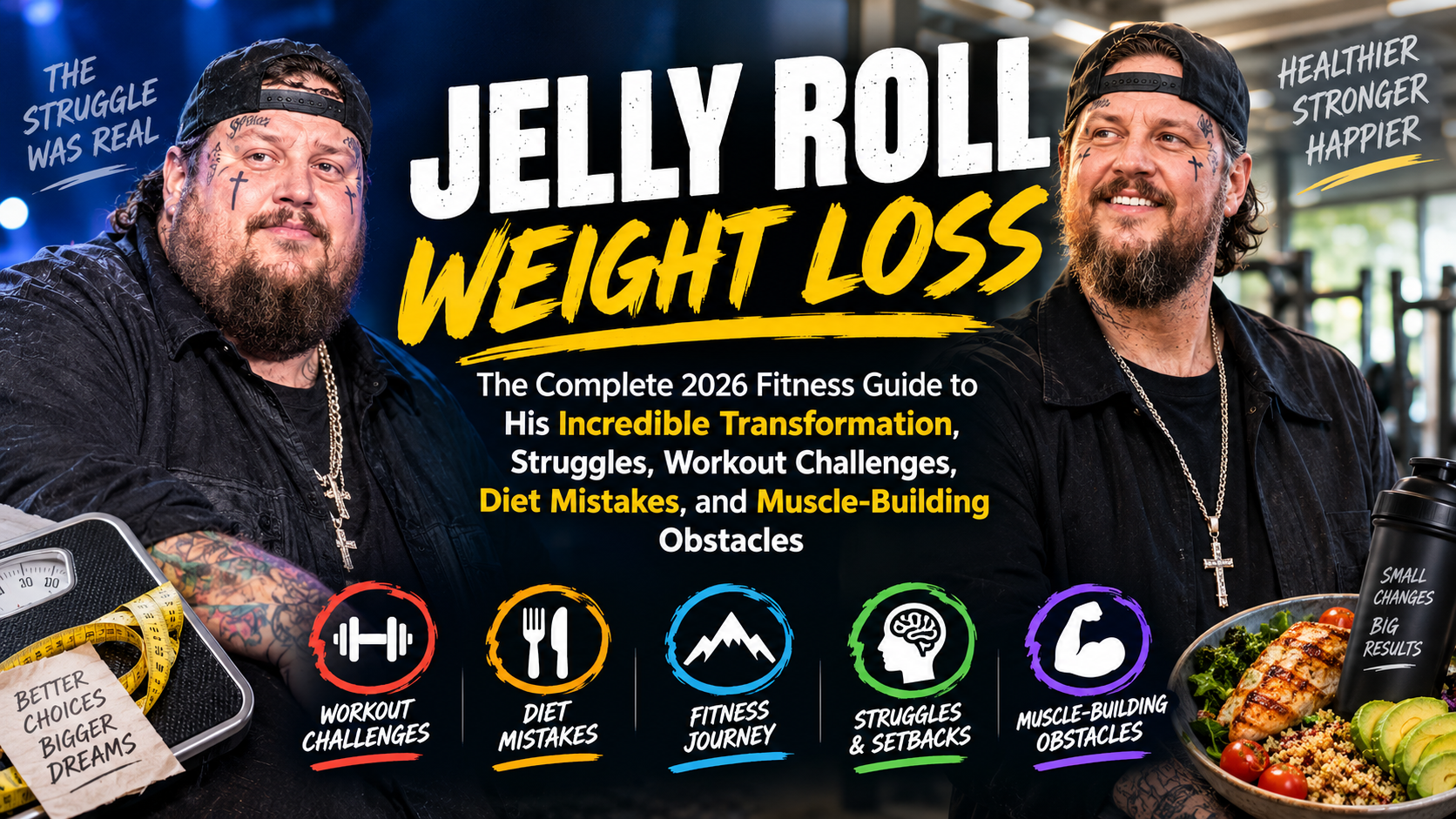
The Jelly Roll weight loss journey is one of the most remarkable celebrity fitness transformations in recent years. The American country-rap artist, whose real name is Jason Bradley DeFord, has attracted attention not only for his music but also for his commitment to improving his physical fitness, changing his eating habits, and developing a healthier lifestyle.
Known for songs such as Save Me, Son of a Sinner, and Need a Favor, Jelly Roll has openly discussed his struggles with obesity, emotional eating, and the challenges of becoming physically active. His transformation demonstrates how nutrition, cardiovascular exercise, strength training, and mental resilience can work together to support long-term health improvements.
From walking and running to boxing-inspired workouts and healthier food choices, his fitness journey offers practical lessons for people who want to improve their endurance, reduce body fat, and become stronger. His experience also highlights an important principle: sustainable fitness is not about achieving a perfect body quickly but about developing habits that improve everyday life.
Who Is Jelly Roll and What Inspired His Fitness Transformation?
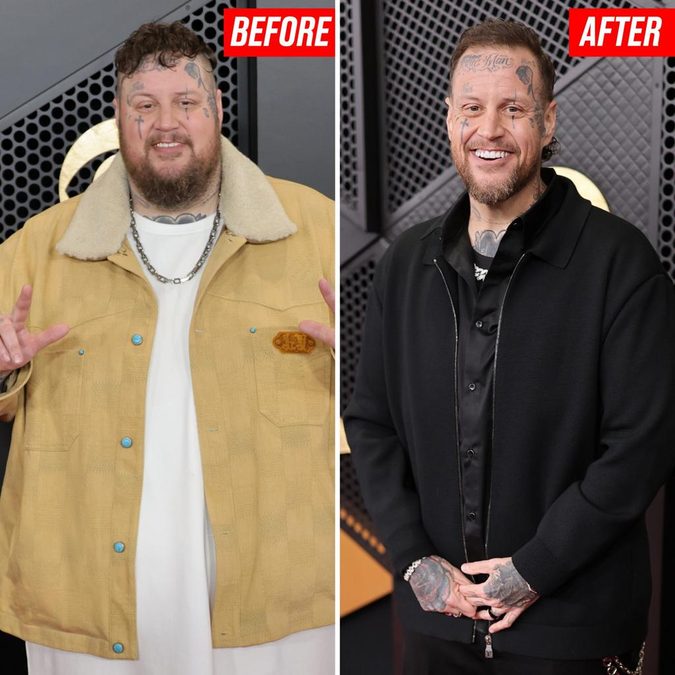


Jelly Roll is an American musician recognized for combining country music, hip-hop, rock, and Southern rap. His emotional storytelling and honest lyrics have helped him build a strong connection with audiences. However, his personal journey beyond music has become equally interesting to fans.
For years, he experienced challenges associated with excessive body weight and unhealthy eating patterns. He eventually decided to make significant changes because he wanted to improve his health, physical capabilities, and quality of life. His motivation was not limited to appearance. He wanted to become more active, improve his stamina, and feel more comfortable participating in activities that required physical endurance.
His demanding career also made physical fitness increasingly important. Touring involves traveling, performing for extended periods, maintaining energy, and managing unpredictable schedules. Improving cardiovascular endurance and muscular strength can help support these physical demands.
The Jelly Roll weight loss transformation therefore represents more than a celebrity appearance change. It reflects a broader commitment to fitness, personal accountability, and healthier everyday decisions.
How Much Weight Did Jelly Roll Lose?
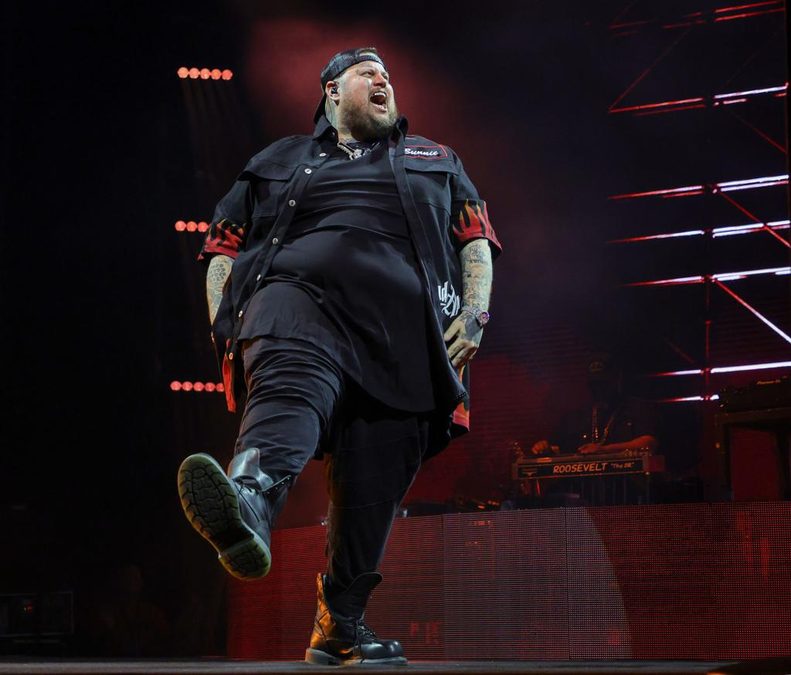
Jelly Roll has publicly discussed losing more than 200 pounds during his transformation. His highest reported weight was approximately 540–560 pounds, although different accounts describe slightly different starting measurements.
By January 2026, reports surrounding his Men’s Health cover story described an overall loss of approximately 275 pounds. He subsequently discussed experiencing some weight regain following the holidays and an injury that disrupted his exercise routine.
These changes illustrate an important aspect of weight management: body weight naturally fluctuates, and maintaining progress can be as challenging as losing weight initially.
For fitness beginners, his experience should not create unrealistic expectations. Losing hundreds of pounds is not necessary to achieve meaningful health improvements. Even modest reductions in body weight, combined with improved cardiovascular fitness and increased muscle strength, can contribute to better physical functioning.
Jelly Roll’s Workout Routine: Cardio, Running, and Strength Training



Exercise became an important part of the singer’s transformation. His publicly discussed activities include walking, running-related challenges, boxing-inspired training, and other physical exercises.
The most valuable lesson is that an effective workout routine does not need to begin with complicated gym equipment. Someone carrying significant excess weight may benefit more from developing a consistent walking habit than immediately attempting intense running sessions.
Walking for Fat Loss and Cardiovascular Health
Walking is a practical starting point for people who are new to exercise. It increases daily energy expenditure, improves cardiovascular endurance, and helps develop the habit of regular physical activity.
Jelly Roll has discussed walking as part of his fitness development. Gradually increasing walking duration and distance can improve stamina without placing the same demands on the body as high-impact exercise.
A beginner might start with 10–15 minutes of comfortable walking and gradually increase the duration according to their fitness level.
Running for Endurance and Stamina
Running-related challenges became another recognizable feature of his fitness journey. Running can improve aerobic capacity, strengthen the cardiovascular system, and increase overall endurance.
However, people with obesity, joint pain, or limited exercise experience should build a walking foundation before progressing to running. Alternating short periods of jogging with walking can provide a more manageable introduction.
Strength Training for Muscle Preservation
Strength training is especially valuable during significant weight reduction because it helps preserve lean muscle mass.
Useful exercises include:
- Bodyweight squats or supported squats.
- Wall push-ups and modified push-ups.
- Resistance-band rows.
- Dumbbell shoulder presses.
- Seated leg extensions.
- Light dumbbell curls.
The goal is to train major muscle groups consistently while allowing adequate recovery. Beginners should prioritize proper technique and gradually increase resistance rather than immediately lifting heavy weights.
Jelly Roll’s Diet Plan: High Protein, Vegetables, and Better Food Choices



Nutrition played a major role in the singer’s physical transformation. In an interview with Jimmy Kimmel Live! in April 2025, he described his approach simply: “I’m eating a lot of protein and vegetables and walking.” iHeart+1
This straightforward strategy highlights the importance of food quality and calorie management. Rather than relying on complicated diets, he worked toward healthier eating patterns with professional nutritional support. His touring nutrition arrangements also helped make balanced meals more accessible despite a demanding schedule.
Protein for Muscle Recovery and Strength
Protein is essential for repairing muscle tissue, supporting recovery, and maintaining lean body mass. During weight reduction, consuming adequate protein alongside resistance training can help reduce muscle loss.
Good protein sources include:
- Chicken breast and turkey.
- Salmon, tuna, and other fish.
- Eggs and Greek yogurt.
- Lean beef and cottage cheese.
- Lentils, beans, and tofu.
For example, a meal containing grilled chicken, brown rice, and broccoli provides protein, carbohydrates, and fiber to support an active lifestyle.
Vegetables and Fiber for Better Nutrition
Vegetables provide vitamins, minerals, antioxidants, and dietary fiber. Foods such as spinach, carrots, broccoli, peppers, and green beans can make meals more filling without adding excessive calories.
Fiber also supports digestive health and helps regulate appetite. Combining vegetables with protein and whole grains creates balanced meals that are easier to maintain than restrictive eating plans.
Healthy Snacks Before Exercise
Jelly Roll’s nutrition coach has discussed using bananas as a pre-show snack. Bananas provide carbohydrates that can help fuel physical activity.
Other practical pre-workout snacks include Greek yogurt, oatmeal, fruit, and whole-grain toast. The ideal choice depends on workout intensity, timing, and individual digestive comfort.
The Role of Boxing, Basketball, and Functional Fitness



Running was not the only physical activity associated with Jelly Roll’s transformation. Reports about his training describe boxing, basketball, push-ups, and movement-based workouts. These activities add variety and help make fitness more enjoyable.
Boxing workouts combine footwork, coordination, upper-body movement, and cardiovascular conditioning. Basketball involves short bursts of running, jumping, changing direction, and active recovery. Both activities can improve general athletic ability when adapted to an individual’s fitness level.
Functional training is another useful concept. It involves exercises that strengthen movements used in everyday life, including bending, pushing, pulling, carrying, and standing. For someone who previously struggled with mobility, developing these abilities can be just as meaningful as improving gym performance.
The important principle is to choose activities that can be performed consistently and safely. High-impact training is not essential for fat loss, and beginners should build strength and endurance before attempting demanding workouts.
A Practical Fitness Routine Inspired by Jelly Roll
His exact training schedule should not be treated as a universal program. However, his publicly discussed approach can inspire a manageable routine combining aerobic exercise, resistance training, and recovery.
The following example is designed for generally healthy beginners who have received medical clearance when necessary.
| Day | Fitness activity | Main benefit |
|---|---|---|
| Monday | 20–30 minutes walking | Cardiovascular endurance |
| Tuesday | Full-body strength training | Muscle development |
| Wednesday | Brisk walking or cycling | Aerobic fitness |
| Thursday | Light boxing or functional training | Coordination and conditioning |
| Friday | Full-body strength training | Muscle preservation |
| Saturday | Longer comfortable walk | Stamina and calorie expenditure |
| Sunday | Rest or gentle mobility | Recovery and flexibility |
A beginner should adjust the duration and intensity according to their starting fitness level. Someone with significant obesity, joint problems, or cardiovascular risk factors may need a professionally supervised exercise plan.
Consistency matters more than intensity. Three manageable workouts every week can be more beneficial over time than an ambitious routine that causes exhaustion, injury, or burnout.
Mental Strength, Food Addiction, and Exercise Motivation
An important part of the singer’s experience was recognizing that his relationship with food required attention beyond ordinary calorie restriction. In his Men’s Health interview, he explained that therapy helped him understand overeating and the emotional patterns behind it. Men’s Health+1
This is particularly relevant to fitness because emotional eating can interfere with even the best exercise program. Someone may train consistently but struggle with food choices during periods of stress, loneliness, or exhaustion. Addressing those triggers can make healthy routines more sustainable.
Exercise can also support mental well-being. Walking outdoors, running, cycling, and strength training can provide structure, improve confidence, and create measurable personal achievements. However, physical activity should complement appropriate mental health care rather than replace it.
The most useful lesson is to approach fitness as a combination of physical and psychological development. A strong routine should support both the body and the mind.
Weight-Loss Setbacks, Injury Recovery, and Long-Term Fitness
The Jelly Roll weight loss experience also demonstrates that progress does not always move in one direction. After reaching his major milestone and appearing on the January 2026 Men’s Health cover, he discussed losing momentum during the holidays and breaking his collarbone, which interrupted his walking and running routine.
In April 2026, he reported weighing 276.2 pounds, compared with 265 pounds at his earlier milestone. He also shared plans to work with a trainer and prepare for the New York City Marathon in November 2026. iHeart+1
This setback offers a valuable fitness lesson. Injuries require patience, and returning to exercise too aggressively can create further problems. After a collarbone injury, for example, running or upper-body training should only resume according to medical advice and appropriate rehabilitation guidance.
Weight fluctuations also do not automatically indicate failure. Changes in hydration, food intake, activity, and recovery can influence scale measurements. Long-term trends, physical performance, and health indicators provide a more complete picture of progress.
How to Apply His Fitness Lessons to Your Own Weight-Loss Goals
The Jelly Roll weight loss journey offers several practical strategies for people who want to become healthier without following extreme diets or unrealistic exercise programs. The most effective starting point is to identify manageable changes that fit your lifestyle.
For example, someone who spends most of the day sitting can begin with regular walks, replace sugary drinks with water, and include more protein and vegetables in meals. As endurance improves, they can introduce resistance training and gradually increase cardiovascular activity.
Here are some important principles to follow:
- Prioritize consistency: Establish a realistic weekly workout schedule.
- Eat balanced meals: Include protein, vegetables, fruits, and whole grains.
- Build strength: Use resistance exercises to maintain muscle.
- Improve endurance: Progress gradually from walking to more challenging cardio.
- Get sufficient sleep: Allow the body to recover between workouts.
- Track meaningful improvements: Monitor stamina, strength, mobility, and general well-being.
- Seek professional guidance: Work with qualified fitness and healthcare professionals when needed.
These habits create a foundation for long-term fitness rather than temporary changes.
Frequently Asked Questions
How much weight did Jelly Roll lose?
Jelly Roll reported losing approximately 275 pounds by January 2026, dropping from an estimated starting weight of 540 pounds to around 265 pounds. He subsequently reported weighing 276.2 pounds in April 2026 following a temporary setback.
What workout routine helped Jelly Roll transform his body?
His publicly discussed activities included walking, running, boxing, basketball, push-ups, and other physical exercises. Running eventually became a major part of his fitness routine, helping him develop cardiovascular endurance and stamina.
What did Jelly Roll eat during his fitness transformation?
He described eating more protein and vegetables and making significant improvements to his overall nutrition. His approach also involved professional nutritional support and healthier meals while touring. Chicken, vegetables, fruit, and other nutrient-rich foods are examples of the balanced eating strategy associated with his journey.
Did Jelly Roll use strength training?
Yes. His fitness journey included strength-focused activities such as push-ups and other resistance exercises. Strength training is particularly valuable during weight reduction because it helps preserve muscle, improve physical performance, and support everyday movement.
Did Jelly Roll run to lose weight?
Running became an important part of his transformation. He also participated in running-related challenges and progressively improved his endurance. However, walking, strength training, and nutrition changes were also important components of his overall approach.
What motivated Jelly Roll to improve his fitness?
His motivation included improving his health, becoming more physically capable, enjoying life with his family, and overcoming the limitations associated with his previous weight. His ambition to appear on the cover of Men’s Health also became a major personal fitness milestone.
Did Jelly Roll regain weight in 2026?
Yes. In April 2026, he revealed that he had regained approximately 12 pounds after holiday eating and a collarbone injury interrupted his exercise routine. He subsequently discussed rebuilding his training habits and preparing for a marathon.
Can beginners follow Jelly Roll’s fitness routine?
Beginners can take inspiration from his approach but should not immediately copy the intensity of his training. Starting with comfortable walking, balanced nutrition, and basic resistance exercises is more appropriate. Exercise intensity should increase gradually, with professional medical guidance when necessary.
Conclusion
The Jelly Roll weight loss transformation demonstrates how nutrition, cardiovascular exercise, strength training, mental resilience, and consistent lifestyle improvements can contribute to significant physical changes.
His journey involved more than losing body fat. Walking, running, boxing, basketball, and resistance exercises helped him develop greater physical capabilities, while improved eating habits and mental health support addressed challenges that had affected his relationship with food.
His experience also shows that setbacks are part of real fitness journeys. Injuries, weight fluctuations, and periods of reduced motivation do not erase previous achievements. What matters is learning from those experiences and gradually returning to healthier routines.
For anyone pursuing better fitness, the biggest takeaway is simple: start where you are, build strength and endurance gradually, eat nutritious foods, and remain consistent. The real goal is not simply to lose weight but to build a stronger, healthier, and more active life.


